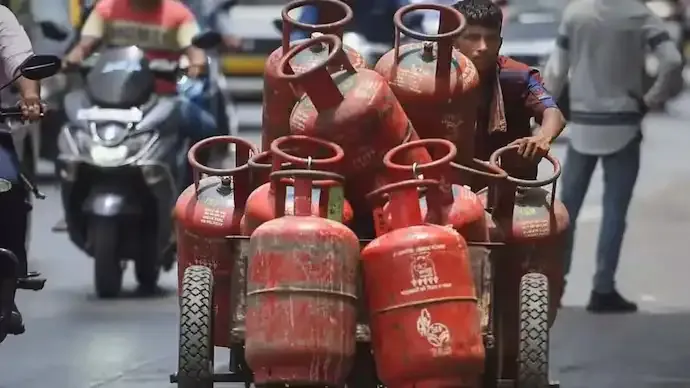
India has instructed domestic oil refiners to increase production of liquefied petroleum gas (LPG) and prioritise its supply to government-owned oil marketing companies. The move aims to ensure sufficient cooking gas availability for households amid global energy market uncertainty.
Authorities have directed refiners to maximise LPG output and sell the fuel exclusively to three state-run oil companies — Indian Oil Corporation, Bharat Petroleum Corporation Limited, and Hindustan Petroleum Corporation Limited.
These companies handle the majority of LPG distribution across India and are responsible for supplying cooking gas cylinders to millions of households.
Government Focus on Domestic LPG Supply
The directive reflects the government’s efforts to secure domestic energy supplies at a time when global energy markets are experiencing volatility.
Officials are concerned that disruptions in international fuel supply routes could tighten global energy markets and potentially affect LPG availability. By directing refiners to prioritise domestic LPG production, authorities aim to ensure that households do not face shortages.
LPG remains the primary cooking fuel for millions of Indian households, making stable supply an important public welfare issue.
Exclusive Supply to State-Run Oil Companies
Under the new directive, refiners must supply LPG only to the three government-owned oil marketing companies.
These companies play a crucial role in India’s fuel distribution network and operate extensive infrastructure including bottling plants, storage facilities and distribution channels across the country.
The decision ensures that LPG produced domestically is channelled directly into the public distribution system rather than being diverted to private markets.
Role of Oil Marketing Companies
The three state-run companies — Indian Oil Corporation, Bharat Petroleum Corporation Limited and Hindustan Petroleum Corporation Limited — together manage a large share of India’s LPG supply chain.
They distribute cooking gas cylinders through a nationwide network of distributors and retailers, reaching urban and rural households.
The companies also operate major government schemes that provide subsidised LPG connections to low-income families.
Global Energy Uncertainty Driving Policy Moves
The directive comes at a time when global energy markets are facing instability due to geopolitical tensions and disruptions in key shipping routes.
Energy analysts have warned that supply disruptions can quickly influence fuel availability and prices worldwide.
India, which imports a significant portion of its energy requirements, remains sensitive to global developments in oil and gas markets.
Ensuring Household Energy Security
By asking refiners to maximise LPG production, the government aims to maintain stable supply for domestic consumers and avoid shortages.
Cooking gas is a critical household fuel in India, and ensuring uninterrupted supply remains a priority for policymakers.
Officials are closely monitoring developments in global energy markets while taking steps to protect domestic energy security.
The move highlights the importance of maintaining strong fuel supply chains, especially during periods of international market volatility.
Prev Article
Mukesh Ambani Tops India Rich List 2026, Gautam Adani Ranks Second: Hurun Global Rich List
Next Article
Petrol Diesel Price Update: Government Says No Fuel Price Hike Now, India May Consider Russian LNG