

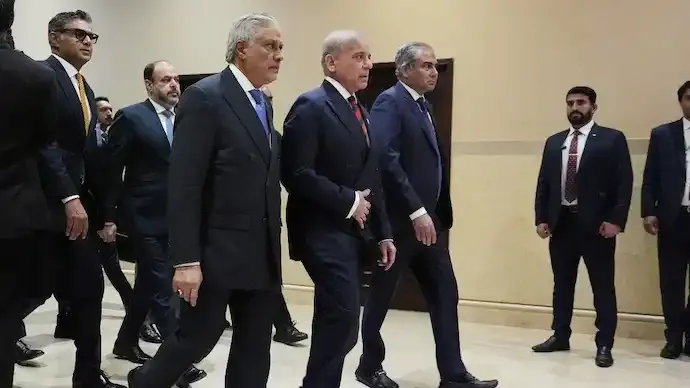

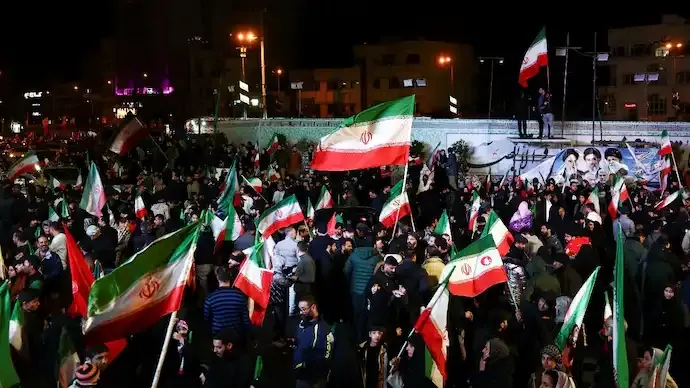
Amid escalating tensions between the United States and Iran, Pakistan is facing increasing economic and diplomatic pressure. Unlike past global conflicts such as the Cold War or the September 11 attacks, the current crisis is not yielding strategic or financial benefits for Islamabad.
Instead, the ongoing situation is exposing vulnerabilities in Pakistan’s economy and foreign policy positioning.
Failed Diplomatic Opportunity in Islamabad
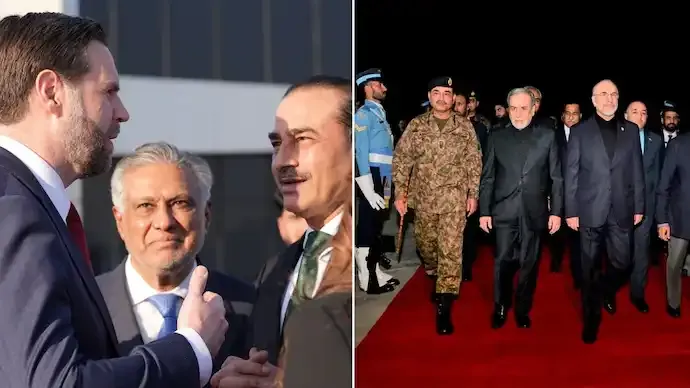
Pakistan had positioned itself as a potential venue for dialogue between Iran and the United States. However, recent developments suggest that Tehran is no longer interested in pursuing a second round of talks in Islamabad.

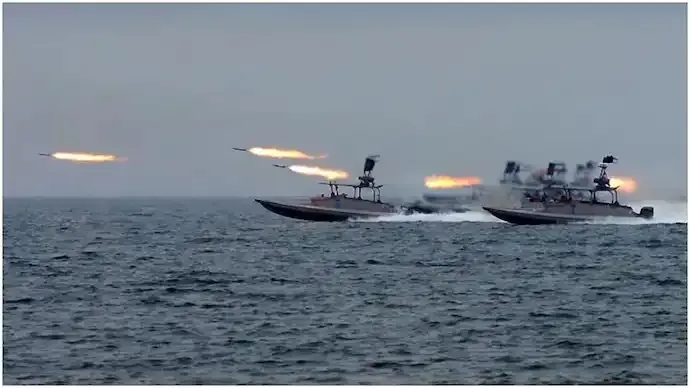
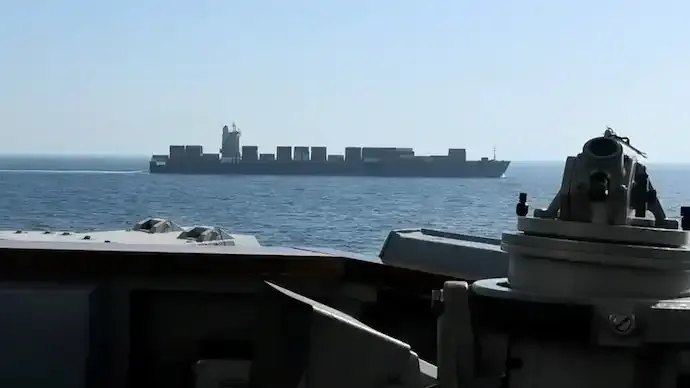
With uncertainty surrounding the proposed negotiations, Pakistan risks losing relevance in a critical diplomatic moment. The situation has become more complex as tensions intensify near the Strait of Hormuz, raising concerns over regional stability.
Economic Pressure Mounts
Historically, Pakistan has benefited from its strategic location during global conflicts, often receiving financial aid, debt relief, and military reimbursements. However, the current Iran-US crisis is reversing that trend.
Instead of financial inflows, Pakistan is now witnessing capital outflows, declining foreign reserves, and rising external debt pressures. Investors are becoming cautious due to regional instability, leading to increased economic uncertainty.
Changing Global Dynamics
The shifting geopolitical landscape means that traditional advantages tied to Pakistan’s location are no longer translating into economic gains. The absence of large-scale international support or strategic incentives has left the country more exposed to external shocks.
Additionally, the evolving nature of global alliances and economic priorities has reduced the likelihood of Pakistan benefiting from crisis-driven funding as it did in previous decades.
Domestic Criticism and Policy Concerns
The situation has also triggered criticism within Pakistan, with sections of the media and analysts questioning the government’s approach. Concerns are being raised over missed opportunities to leverage the situation diplomatically or economically.
There is growing debate over whether the country’s foreign policy strategy needs recalibration to adapt to changing global realities.
Uncertain Future Amid Rising Tensions
As the Iran-US crisis continues to unfold, Pakistan’s economic and diplomatic challenges are expected to intensify. The lack of immediate gains, combined with rising financial pressures, places Islamabad in a difficult position.
With global attention focused on developments in the Gulf region, Pakistan’s ability to navigate this complex scenario will play a crucial role in shaping its economic stability and international standing in the coming months.



Conversation
Be kind and stay on topic. Comments are moderated; abuse, spam and personal attacks are removed. Report a problem