

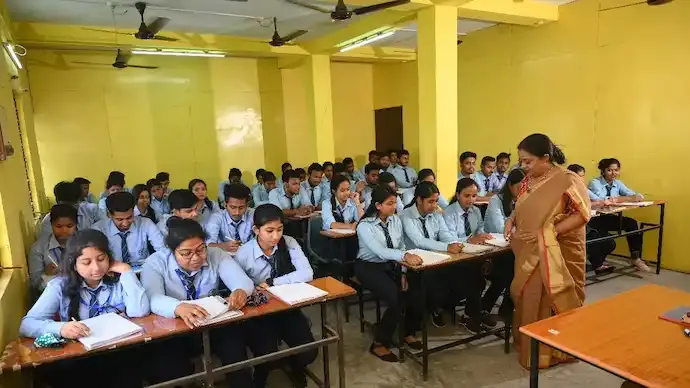

The Central Board of Secondary Education (CBSE) is set to implement its three-language policy from the academic session 2026–27, starting from Class 6.
While the move aims to promote multilingual learning, it has sparked concerns among schools, especially regarding foreign languages and teaching staff.
Focus on Indian Languages Raises Questions
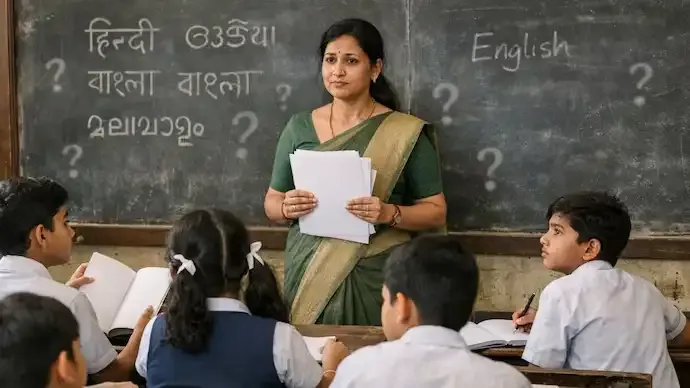
Under the new policy, students must study three languages, with at least two being Indian languages.

This requirement has created uncertainty around subjects like French, Spanish, and German, which are currently offered in many schools.
Future of Foreign Languages Unclear
Schools that have long included foreign languages in their curriculum now face a dilemma:
- Will foreign languages be replaced or reduced?
- Will they continue as optional subjects?
- How will schools balance curriculum requirements?
The lack of clear guidelines has left institutions in a state of confusion.
Concerns Over Teacher Employment
One of the biggest challenges is the potential impact on teachers who specialise in foreign languages.
Many educators are now uncertain about:
- Job security
- Role adjustments
- Demand for their expertise under the new structure
This has raised broader questions about workforce planning in the education sector.
Implementation Challenges Persist
Despite the rollout timeline, several key aspects remain unresolved:
- Textbooks are still being developed
- Assessment frameworks are not fully defined
- Teacher training and readiness are incomplete
Schools have been asked to proceed with implementation even as these gaps remain.
Balancing Multilingual Goals and Practical Reality
The policy aligns with the broader goal of promoting Indian languages and cultural diversity.
However, schools must navigate practical challenges to ensure that the transition does not disrupt existing systems.
Debate Across Education Sector
The move has triggered discussions among educators, parents, and policymakers about:
- Curriculum flexibility
- Global language exposure for students
- Long-term impact on education quality
What Lies Ahead
Further clarity from CBSE is expected regarding curriculum structure, teacher roles, and evaluation methods.
As the 2026–27 session approaches, schools will need to adapt quickly while addressing concerns from both students and staff.







Conversation
Be kind and stay on topic. Comments are moderated; abuse, spam and personal attacks are removed. Report a problem