

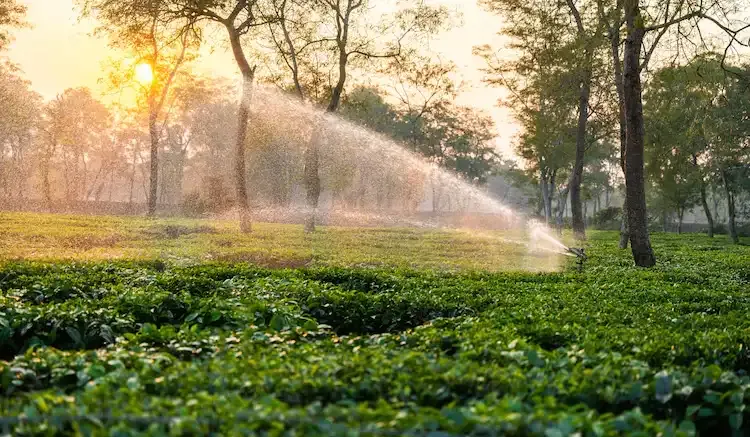

Tea is more than just a beverage in India—it is a daily ritual that cuts across class, region, and culture. From roadside stalls to corporate offices, chai is deeply woven into everyday life.
However, climate change is now posing a serious threat to this long-standing tradition. Rising temperatures and unpredictable weather patterns are putting pressure on tea production across the country.


Tea Gardens Under Stress
Regions like Assam, known for producing some of the finest tea in the world, are already witnessing the impact of climate shifts. Tea plants are highly sensitive to temperature and rainfall changes, making them vulnerable to environmental disruptions.
Key challenges include:
- Rising average temperatures
- Irregular rainfall patterns
- Increased frequency of extreme weather events
These factors are affecting both the quality and quantity of tea leaves.
How Climate Change Impacts Tea Production
Tea cultivation requires specific climatic conditions. Even small variations can influence the flavor, yield, and growth cycle of tea plants.
With global warming:
- Heat stress reduces leaf quality
- Erratic rainfall disrupts harvesting cycles
- Pests and diseases become more frequent
This combination is making tea farming increasingly unpredictable and difficult.
Economic Impact on Farmers and Industry
The effects of climate change are not limited to crops alone. Tea garden workers and farmers are also facing challenges as production becomes less stable.
Lower yields can lead to:
- Reduced income for farmers
- Increased production costs
- Higher market prices for consumers
This could eventually affect the accessibility of chai, which has long been considered an affordable and widely consumed drink.
Chai Culture at Risk
Chai is often described as India’s most democratic beverage, enjoyed by people across all walks of life. Any disruption in tea supply could impact this cultural staple.
From early morning routines to social interactions, tea plays a central role in daily life. Climate change threatens not just the crop but also the cultural significance attached to it.

Possible Solutions and Adaptation
Experts suggest that adapting to climate change will be essential to sustain tea production. Some measures include:
- Developing climate-resilient tea varieties
- Improving irrigation and water management
- Adopting sustainable farming practices
Such steps can help mitigate the long-term impact of environmental changes.

What Lies Ahead
The growing impact of climate change on tea production highlights the urgent need for action. Protecting tea cultivation is not just about preserving an industry but also about safeguarding a cultural tradition.
As global temperatures continue to rise, the future of India’s beloved chai will depend on how effectively these challenges are addressed.





Conversation
Be kind and stay on topic. Comments are moderated; abuse, spam and personal attacks are removed. Report a problem