Shopping cart
Your cart empty!


Your cart empty!
Terms of use dolor sit amet consectetur, adipisicing elit. Recusandae provident ullam aperiam quo ad non corrupti sit vel quam repellat ipsa quod sed, repellendus adipisci, ducimus ea modi odio assumenda.
Lorem ipsum dolor sit amet consectetur adipisicing elit. Sequi, cum esse possimus officiis amet ea voluptatibus libero! Dolorum assumenda esse, deserunt ipsum ad iusto! Praesentium error nobis tenetur at, quis nostrum facere excepturi architecto totam.
Lorem ipsum dolor sit amet consectetur adipisicing elit. Inventore, soluta alias eaque modi ipsum sint iusto fugiat vero velit rerum.
Sequi, cum esse possimus officiis amet ea voluptatibus libero! Dolorum assumenda esse, deserunt ipsum ad iusto! Praesentium error nobis tenetur at, quis nostrum facere excepturi architecto totam.
Lorem ipsum dolor sit amet consectetur adipisicing elit. Inventore, soluta alias eaque modi ipsum sint iusto fugiat vero velit rerum.
Dolor sit amet consectetur adipisicing elit. Sequi, cum esse possimus officiis amet ea voluptatibus libero! Dolorum assumenda esse, deserunt ipsum ad iusto! Praesentium error nobis tenetur at, quis nostrum facere excepturi architecto totam.
Lorem ipsum dolor sit amet consectetur adipisicing elit. Inventore, soluta alias eaque modi ipsum sint iusto fugiat vero velit rerum.
Sit amet consectetur adipisicing elit. Sequi, cum esse possimus officiis amet ea voluptatibus libero! Dolorum assumenda esse, deserunt ipsum ad iusto! Praesentium error nobis tenetur at, quis nostrum facere excepturi architecto totam.
Lorem ipsum dolor sit amet consectetur adipisicing elit. Inventore, soluta alias eaque modi ipsum sint iusto fugiat vero velit rerum.
Do you agree to our terms? Sign up
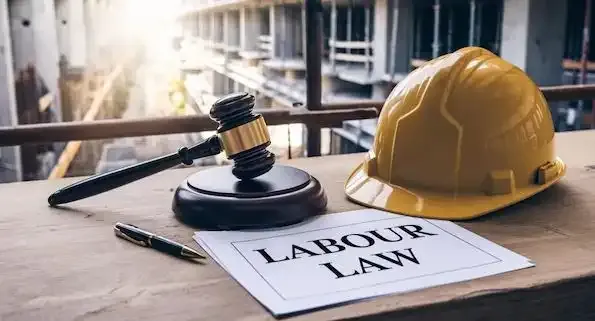
A growing gap between official records and ground reality is raising serious concerns about labour law enforcement in India. While many companies appear compliant on paper, reports suggest that actual practices often fall short of legal standards.
Recent worker protests in Noida have brought this issue into sharp focus, highlighting discrepancies between documented wages and actual payments.
Workers in Noida have protested against low wages, underreported salaries, and poor working conditions.
According to reports, many employees receive less than what is officially recorded, pointing to systemic manipulation of payroll records to maintain the appearance of compliance.
Employers often maintain proper documentation to meet legal requirements, but actual implementation may differ.
This includes practices such as:
Such discrepancies highlight a structural issue in enforcement rather than just isolated violations.
The situation has reignited discussions around the need for stricter regulatory oversight, often referred to as “Inspector Raj.”
While some argue that excessive regulation can hinder business growth, others believe that strong enforcement is essential to protect workers’ rights.
One of the key issues is the lack of effective monitoring and accountability mechanisms.
Limited inspections, resource constraints, and procedural gaps often allow violations to go unnoticed or unaddressed.
For workers, such practices lead to financial insecurity and exploitation.
At a broader level, weak enforcement can distort labour markets, affect productivity, and undermine trust in regulatory systems.
Experts suggest that improving transparency, strengthening inspections, and ensuring accountability can help bridge the gap between policy and practice.
Digital tracking systems and worker awareness initiatives may also play a role in improving compliance.
As labour issues gain attention, policymakers may revisit enforcement frameworks to ensure that legal protections translate into real benefits for workers.
The debate around balancing regulation and business ease is expected to continue.
84
Published: Apr 18, 2026

All India Story is your trusted source for comprehensive and up-to-the-minute news coverage across India. Bringing you the latest on politics, business, technology, entertainment, sports, and more, we are dedicated to keeping you informed with accurate, engaging, and insightful stories from every corner of the nation.