
Iran’s Islamic Revolutionary Guard Corps (IRGC) has issued a strong response to recent comments by US President Donald Trump, stating that Tehran will determine when the ongoing conflict comes to an end.
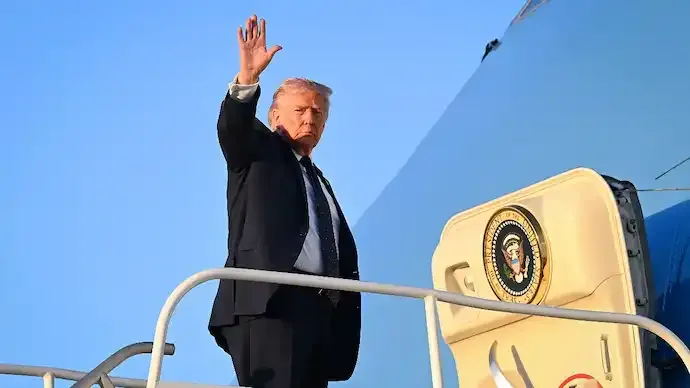
The statement from the IRGC came after Trump made remarks suggesting that the war was nearing completion before later indicating that military operations would continue until Iran was decisively defeated.
IRGC Responds to Trump Statements
According to the IRGC, Iran will not allow external powers to dictate the outcome of the conflict. The organisation said that Tehran will decide the timeline and conditions under which the war concludes.
The statement also criticised what it described as inconsistent remarks from Washington regarding the progress of the conflict.
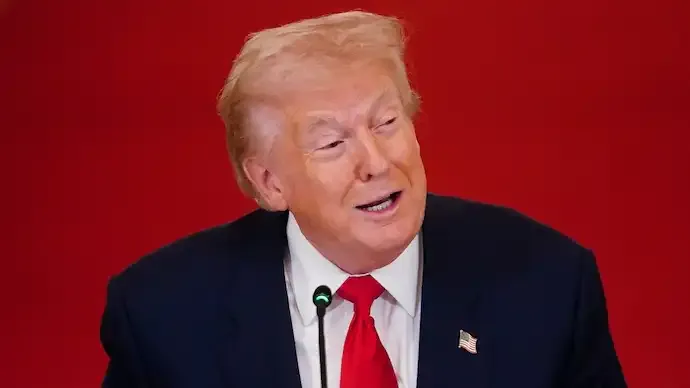
Earlier, Trump told American media that the war was “pretty much” over, but later suggested that the military campaign would continue until Iran faced complete defeat.
The apparent shift in messaging prompted a response from Iranian officials emphasising that Iran remains prepared to continue the confrontation.
Warning Over Oil Exports
In addition to responding to the US president’s remarks, the IRGC issued a warning about the potential impact on global energy markets.
Iran said it would not allow even “one litre of oil” to be exported from the region if attacks by the United States and Israel continue.
Such a move could have major consequences for the global economy, as a significant portion of the world’s oil supply passes through shipping routes in the Middle East.
Energy analysts note that threats to oil exports from the region often lead to volatility in international energy markets.
Escalating Regional Conflict
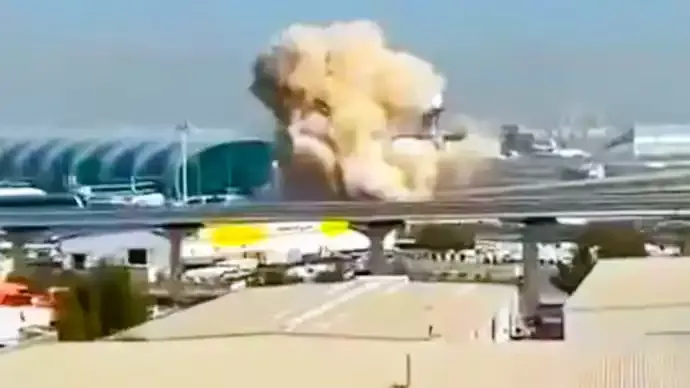
The conflict between Iran and its opponents has continued to intensify with strikes reported across several locations in the region.
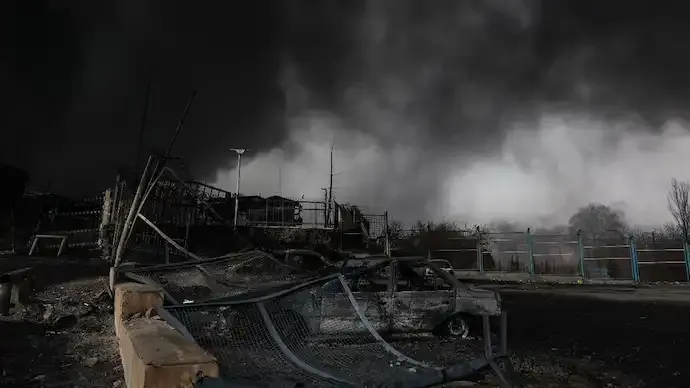
Images circulating online have shown smoke rising from fuel storage facilities in Tehran, highlighting the ongoing impact of military operations.
The confrontation has raised global concerns about the possibility of further escalation, particularly if strategic infrastructure or shipping routes become direct targets.
Strategic Importance of Energy Routes
The Middle East remains central to global oil supply chains. Major energy shipping routes pass through the region, making any disruption potentially significant for international markets.
The Strait of Hormuz, a narrow maritime corridor connecting the Persian Gulf to the Arabian Sea, is one of the world’s most important oil transit points.
Any attempt to restrict shipping through this route could affect energy prices and supply chains across multiple continents.
Global Attention on Conflict
The ongoing war has drawn attention from governments and international organisations, many of which have urged restraint and diplomatic engagement.
Analysts warn that continued escalation could have far-reaching geopolitical and economic consequences beyond the Middle East.
As military operations continue and political rhetoric intensifies, the situation remains uncertain, with global markets and diplomatic efforts closely monitoring developments in the region.
Conversation
Be kind and stay on topic. Comments are moderated; abuse, spam and personal attacks are removed. Report a problem