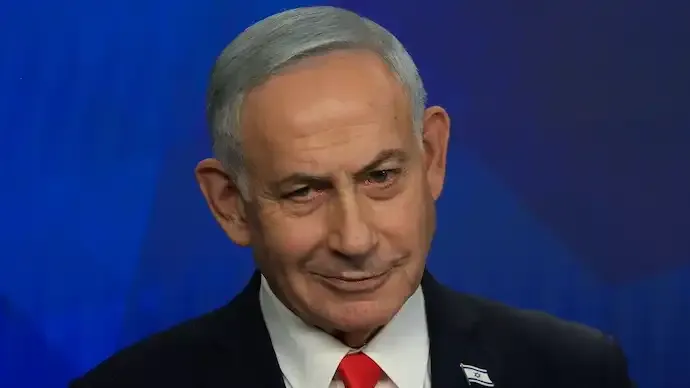
Israeli Prime Minister Benjamin Netanyahu has declared that Israel's recent military campaign against Iran, conducted in coordination with the United States, prevented what he described as a grave threat to the country's security.
Speaking after the emergence of a US-Iran agreement aimed at easing tensions, Netanyahu said the operation marked one of the most significant moments in Israel's modern history. While acknowledging diplomatic progress between Washington and Tehran, he emphasized that Israel would continue to monitor and respond to threats posed by Iran and its regional network of allies.
The remarks come at a crucial time for the Middle East, as governments across the region assess the implications of recent military actions and ongoing diplomatic efforts.
Netanyahu Claims Operation Removed Major Security Threat
Addressing the media in Jerusalem, Netanyahu credited the joint military campaign with eliminating what he described as a serious danger to Israel's existence.
The Israeli leader argued that the operation significantly weakened Iran's capabilities and improved Israel's security environment. He maintained that decisive military action was necessary to prevent future threats and ensure long-term regional stability.
According to Israeli officials, the campaign was designed to target strategic infrastructure and capabilities viewed as critical to Iran's military and nuclear ambitions.
US-Iran Agreement Changes Regional Landscape
The comments come shortly after diplomatic efforts between the United States and Iran resulted in an agreement aimed at reducing tensions and preventing further escalation in the region.
The emerging understanding between Washington and Tehran has been welcomed by several countries concerned about the possibility of a broader conflict in the Middle East.
However, Netanyahu indicated that Israel remains cautious about the agreement and will continue to evaluate developments closely.
Analysts note that while diplomatic breakthroughs may reduce immediate tensions, significant differences remain between regional powers on security and strategic issues.
Israel Signals Continued Vigilance
Despite signs of diplomatic progress, Netanyahu stressed that Israel's efforts against Iran and allied groups would continue.
The Israeli government has repeatedly stated that it reserves the right to act against perceived security threats wherever necessary. Officials have emphasized that national security considerations will remain a top priority regardless of ongoing negotiations involving other countries.
The latest statement suggests that Israel intends to maintain a firm security posture even as diplomatic channels remain active.
Global Attention Focuses on Middle East Stability
The developments have attracted worldwide attention due to the strategic importance of the Middle East and its influence on global energy markets, international trade and geopolitical stability.
Investors, policymakers and security experts are closely monitoring the region for signs of either lasting stability or renewed tensions.
Recent events have already affected global markets, particularly energy prices, highlighting the broader economic consequences of geopolitical developments in the region.
Impact on International Relations
The evolving situation is expected to influence relationships between several key countries, including the United States, Israel and regional powers.
Diplomatic observers believe future negotiations and security arrangements will play a critical role in determining whether recent progress can be translated into long-term stability.
The balance between military deterrence and diplomatic engagement is likely to remain a central issue in discussions involving regional and international stakeholders.
What Happens Next?
With diplomatic efforts underway and security concerns still present, attention now turns to how the various parties implement their commitments and respond to future developments.
Governments across the region are expected to continue consultations on security, economic cooperation and conflict prevention measures.
The coming weeks could prove decisive in shaping the next phase of Middle East geopolitics.
Benjamin Netanyahu's remarks underline Israel's view that recent military action against Iran played a crucial role in addressing security concerns. While diplomatic progress between the United States and Iran has created hopes for reduced tensions, Israeli leaders continue to emphasize the need for vigilance.
As the region navigates a complex mix of diplomacy and security challenges, the international community will be watching closely to see whether recent developments lead to lasting stability or further geopolitical shifts.
Prev Article
Indian Seafarers Pay Heavy Price as Gulf Conflict Turns Commercial Ships Into Targets
Next Article
Australian Girl, 9, Killed During Pakistan Hostage Ordeal; PM Albanese Demands Full Investigation