
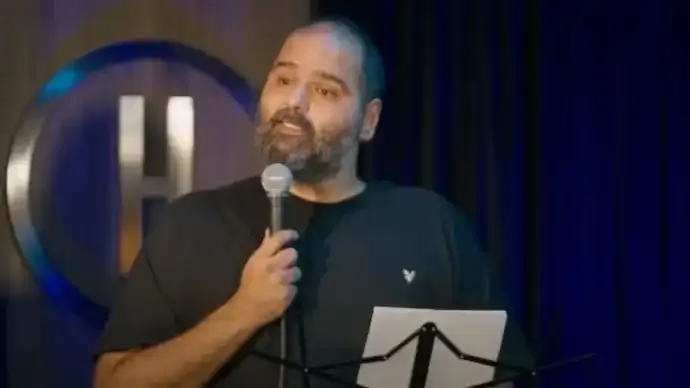
Stand-up comedian Kunal Kamra has approached the Bombay High Court seeking suspension of the Union government’s Sahyog portal, arguing that the digital content takedown system grants excessive authority to officials and threatens constitutional protections related to free speech. The legal challenge comes amid ongoing debates over online regulation and the balance between national security and individual rights.
Kamra’s petition describes the Sahyog platform as an “unconstitutional and unreasonable” mechanism that allegedly enables unilateral removal of social media content without adequate safeguards or transparency. A separate petition filed by a Mumbai-based senior advocate raises similar concerns, questioning amendments to Rule 3(1)(d) of the Information Technology (Intermediary Guidelines and Digital Media Ethics Code Amendment Rules, 2023), which were updated in October 2025.
Under the amended rule, internet intermediaries are required to remove or restrict access to unlawful content after receiving “actual knowledge” through a court order or a reasoned communication from an authorised government agency. Petitioners argue that this provision expands executive power and risks bypassing established procedural checks.
This is not Kamra’s first legal challenge to India’s digital governance framework. He had previously contested earlier amendments to the IT Rules that proposed a government-backed fact-checking unit to flag allegedly misleading online content. That case resulted in a split verdict at the High Court level, with a tie-breaking judgment favouring the petitioners. The Union government subsequently appealed the ruling in the Supreme Court, where the proposed fact-checking mechanism remains stayed.
In the current plea, Kamra contends that the Sahyog portal centralises control over online information by allowing thousands of officials at both Central and State levels to issue takedown notices directly to social media platforms. According to the petition, this could make online content vulnerable to arbitrary removal while offering limited avenues for appeal or redress for affected users.
As an interim relief, the petitions request the court to suspend the operation of the portal and restrict authorities from blocking online material except through the procedures outlined under Section 69A of the Information Technology Act. This section allows the government to block content on grounds such as sovereignty, national security and public order, but requires written, reasoned orders and oversight through review committees.
The Sahyog portal, launched by the Ministry of Home Affairs through the Indian Cyber Crime Coordination Centre, was designed to streamline the removal of unlawful digital content by automating communication between agencies and intermediaries. Supporters argue that the system helps address cybercrime and harmful online material more efficiently. However, critics warn that faster takedown processes must be balanced with strong safeguards to prevent misuse.
The Bombay High Court is expected to hear the petitions in due course, and the case could have broader implications for how India regulates digital platforms and protects freedom of expression in the evolving online ecosystem.



Conversation
Be kind and stay on topic. Comments are moderated; abuse, spam and personal attacks are removed. Report a problem