

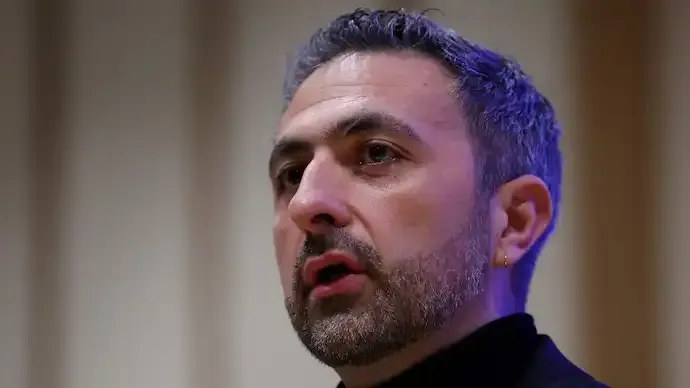

Artificial intelligence could dramatically reshape the global workforce sooner than expected, according to Mustafa Suleyman, who recently warned that many white-collar roles may face automation within the next year. The senior AI leader at Microsoft suggested that rapid advancements in enterprise-level AI systems could significantly alter how professional work is performed across industries.
Speaking in a recent interview, Suleyman highlighted the growing capabilities of advanced AI tools, describing the emergence of “professional-grade AGI” — systems designed to carry out tasks traditionally handled by knowledge workers. According to him, roles that rely heavily on computer-based processes, including law, accounting, project management and marketing, could see major transformation as automation expands.
He noted that AI development is moving beyond simple coding assistance or chat-based automation and toward comprehensive digital assistants capable of managing complex workflows. These tools are expected to handle routine research, document preparation, analysis and communication tasks, potentially reducing the need for large numbers of professionals performing repetitive digital work.

The remarks come at a time when the technology sector is witnessing rapid adoption of AI-driven enterprise platforms. Recent developments involving advanced AI systems such as Anthropic’s Claude Cowork have intensified discussions about the future of software-as-a-service companies and outsourcing firms. Market reactions to new AI tools have already created volatility across technology stocks, reflecting investor concerns about how automation may disrupt traditional business models.
Suleyman also emphasised that building AI systems could soon become far more accessible. He compared future AI development to creating digital content such as podcasts or blogs, suggesting that organisations may be able to design customised AI models tailored to specific operational needs. This shift could lead to widespread adoption of specialised AI agents capable of supporting institutions at scale.
Another key point raised during the discussion was Microsoft’s strategic push toward AI independence. Suleyman hinted that the company aims to strengthen its in-house AI capabilities and reduce reliance on external partnerships as it develops next-generation models. Industry observers believe this move reflects a broader trend among major technology companies seeking greater control over foundational AI infrastructure.
Despite the bold predictions, analysts note that the timeline for widespread job automation remains a topic of debate within the technology community. While AI systems continue to evolve rapidly, questions remain about regulation, ethical considerations and the pace at which businesses will integrate such tools into everyday operations.
Suleyman’s comments highlight both the opportunities and uncertainties surrounding artificial intelligence as it reshapes the future of work. As companies invest heavily in automation and digital transformation, the coming years are likely to see ongoing discussions about balancing innovation with workforce adaptation and reskilling initiatives.







Conversation
Be kind and stay on topic. Comments are moderated; abuse, spam and personal attacks are removed. Report a problem