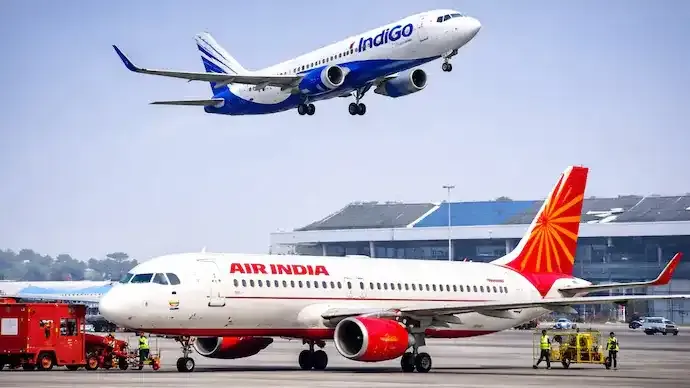
IndiGo, Air India Seek Changes to Draft Cabin Crew Fatigue Rules Amid Safety Push

IndiGo, Air India Seek Changes to Draft Cabin Crew Fatigue Rules Amid Safety Push

India’s leading airlines have approached the government seeking modifications to proposed cabin crew fatigue management rules, warning that stricter norms could disrupt operations and increase costs across the aviation sector. The Federation of Indian Airlines (FIA), which represents major carriers including IndiGo and Air India, has formally requested a review of certain provisions in the draft framework.

The proposed rules, introduced in October, aim to strengthen safety standards by enhancing rest requirements for cabin crew members. Among the key changes is an increase in the minimum weekly rest period from 36 hours to 48 hours. The draft also proposes expanded work limits for night operations and mandates separate hotel rooms for each cabin crew member during layovers to ensure adequate rest and privacy.

While aviation safety remains a top priority for regulators, airlines argue that some of the suggested measures could create operational bottlenecks. The FIA has reportedly conveyed to the Directorate General of Civil Aviation (DGCA) that mandatory single-room accommodation may lead to logistical challenges, particularly at airports with limited hotel infrastructure. Airlines fear this could require crews to be housed far from airports, complicating flight schedules and increasing turnaround times.

The industry body has also flagged cost implications. Providing individual hotel rooms and implementing extended rest cycles would increase expenses, especially as airlines continue to expand domestic and international networks. Carriers believe that abrupt implementation of the new norms may reduce scheduling flexibility and add complexity to crew roster management.

The debate comes at a sensitive time for the aviation sector. Pilot fatigue and mental health concerns have been under scrutiny following the Air India Flight AI-171 crash last year in Ahmedabad. While the Aircraft Accident Investigation Bureau has clarified that the probe remains ongoing and has cautioned against speculative reporting, safety reforms are receiving heightened attention from regulators.

In its communication, the FIA argued that certain provisions in the draft exceed international benchmarks. For example, the classification of ultra-long-haul flights in the proposed norms is set at durations exceeding 14 hours, whereas global standards often use a 16-hour threshold. The federation has requested alignment with global fatigue science practices and suggested a phased rollout of the rules to allow airlines to adapt gradually.

Air India is currently navigating financial pressures linked to operational disruptions, while IndiGo has faced regulatory scrutiny following large-scale flight cancellations in December attributed partly to fatigue management adjustments for pilots. Against this backdrop, airlines have urged the government to balance safety objectives with operational feasibility.

There is no confirmed timeline for the finalisation or implementation of the cabin crew fatigue rules. As consultations continue, regulators are expected to carefully assess industry feedback while maintaining their commitment to strengthening aviation safety standards in India.

Prev Article
TCS, Infosys Shares Fall Nearly 6%: 3 Big Reasons Behind Fresh Sell-Off in Indian IT Stocks
Next Article
Retail Inflation at 2.75% in January as India Introduces New CPI Base Year 2024

Related to this topic: