

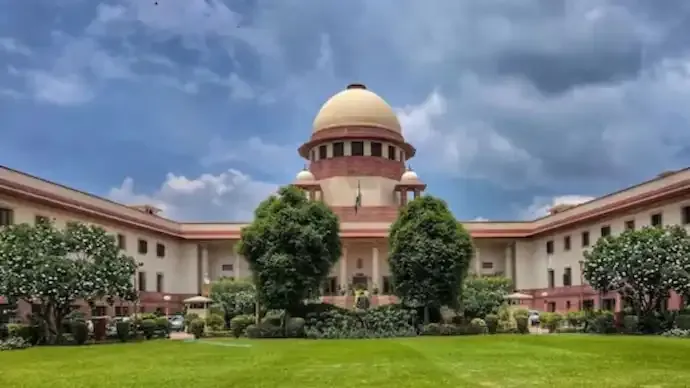

The Supreme Court on Thursday raised serious concerns about the lack of accountability surrounding online content while hearing a batch of cases linked to YouTuber Ranveer Allahbadia. The bench, led by Chief Justice of India Surya Kant, said it was “strange” that any individual can launch a digital channel and operate without a clear framework of responsibility.
“So I create my own channel, I am not accountable to anyone… somebody has to be accountable,” the Chief Justice said, underscoring the growing challenge of regulating user-generated content in the digital space.
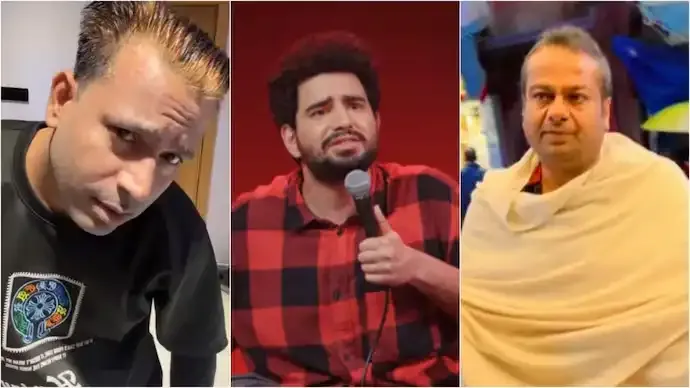
The matter arises from multiple FIRs filed against Allahbadia and other creators over jokes aired on his show India’s Got Latent. The complainants argued that the content insulted religious sentiments and portrayed women disrespectfully.

Solicitor General Tushar Mehta told the court that the concern was “perversity” disguised as free expression, adding that online creators cannot function without boundaries. The CJI responded that content aimed at adult audiences could be accompanied by warnings, parental controls or a similar mechanism to safeguard viewers.
The bench also explored the idea of establishing an autonomous regulatory body—at least as an interim solution—to help determine what online content should be allowed.
Justice Joymalya Bagchi observed that while free speech is a constitutionally protected right, it remains a regulated one. He clarified that content threatening national integrity, sovereignty or unity can be restricted without violating constitutional principles. He emphasised self-regulation as the most effective safeguard and urged creators to exercise “serious responsibility.”
The Chief Justice also cautioned those involved, noting that remarks made “even in Canada” had been tracked and flagged. SG Mehta added that certain creators had even mocked the Supreme Court itself during their shows.
During the discussion, the bench conveyed that it would not impose monetary penalties if the creators voluntarily proposed a donation to a reputable institution, signalling the court’s preference for corrective over punitive measures.
The case marks yet another point in the ongoing national debate over accountability, free expression and regulation across India’s rapidly expanding digital ecosystem.






Conversation
Be kind and stay on topic. Comments are moderated; abuse, spam and personal attacks are removed. Report a problem