

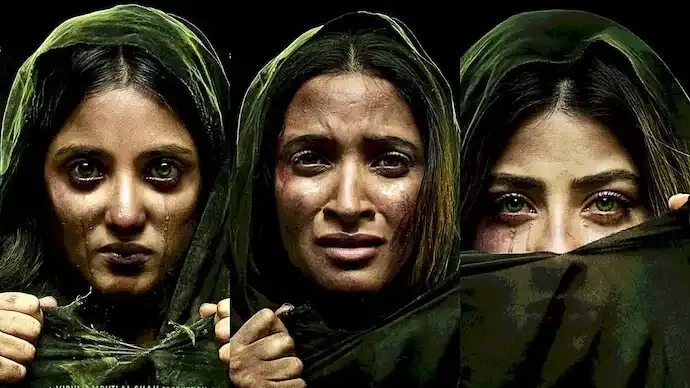

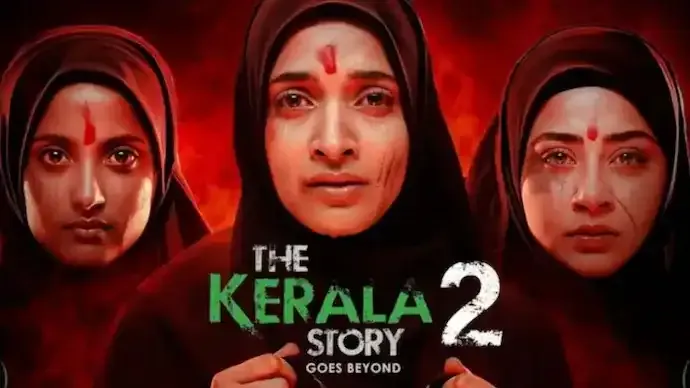
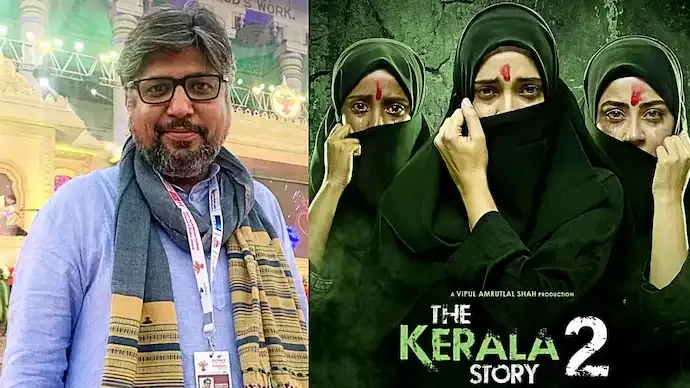
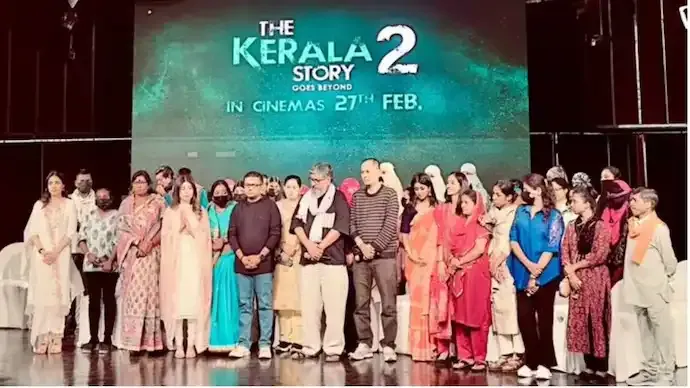
A week ahead of its February 27 release, The Kerala Story 2 has ignited a fresh controversy, reviving debates around cinema, communal representation and political messaging. Directed by Kamakhya Narayan Singh and produced by Vipul Amrutlal Shah, the film claims to portray cases in which young Hindu women are lured into interfaith marriages and later coerced into religious conversion.
The trailer’s release triggered sharp reactions, with Pinarayi Vijayan publicly criticising the film as “false propaganda” and warning it could undermine communal harmony.
What Triggered the Contoversy
The debate began after the trailer introduced three Hindu women who marry Muslim men against their families’ wishes. The narrative follows their growing isolation, loss of identity and alleged coercion.

Supporters argue the film raises awareness about forced conversions and exploitation. Critics, however, say it presents a one-sided narrative that portrays interfaith relationships as inherently dangerous.
The polarised reactions quickly transformed the trailer into a national political and cultural debate.
The Scene That Became the Flashpoint
A key scene showing a Hindu woman being forcibly fed beef has become the most discussed element of the trailer.
In India, beef consumption is not just dietary but culturally and politically sensitive. For many Hindus, the cow holds religious significance, and laws regulating cattle slaughter exist in several states.
Critics argue the imagery is designed to provoke emotional and religious reactions. Support supporters maintain it reflects situations the filmmakers claim to have documented.
The symbolism embedded in the scene has amplified the controversy beyond cinema into identity politics and cultural sensitivities.
Political Reactions and Public Debate
Kerala Chief Minister Pinarayi Vijayan accused the film of spreading hatred and undermining Kerala’s secular traditions. He argued the film could damage the state’s reputation for communal harmony.
Political leaders and commentators have raised concerns that the narrative frames consensual interfaith marriages as coercive, potentially reinforcing social divisions.
At the same time, supporters defend the film under freedom of expression, arguing cinema has the right to depict difficult or uncomfortable subjects.
Legal Challenge and Court Intervention
A petition filed in the Kerala High Court has challenged the film’s release. The court issued notices to the Information & Broadcasting Ministry, the Central Board of Film Certification and the producers.
The case is scheduled for hearing on February 24, raising questions about certification processes and the responsibilities of institutions when approving politically sensitive content.
Echoes of the First Film
The controversy mirrors reactions to the original The Kerala Story (2023), which depicted alleged radicalisation and conversion narratives. Despite criticism and allegations of exaggeration, the film performed strongly at the box office and later received National Awards.
The sequel revisits similar themes, making renewed backlash unsurprising.
Certification and the Debate on Responsibility
The film has received a U/A certification, allowing viewers above 14 to watch it with parental guidance. The makers welcomed the rating, saying it enables wider awareness.
However, the debate has expanded beyond certification to broader questions:
-
Should films referencing specific states carry greater social responsibility?
-
Can provocative storytelling be separated from political consequences?
-
Where is the line between awareness, provocation and propaganda?
Cinema, Provocation or Propaganda?
The central question remains unresolved: does the film highlight uncomfortable truths, or does it risk reinforcing communal stereotypes?
Cinema has long addressed political themes, but this controversy stands out because it intersects with current debates on religious identity, interfaith relationships and regional politics.
As the release date approaches, The Kerala Story 2 has become more than a film — it is now part of a wider national conversation on free expression, social responsibility and the power of storytelling.



Conversation
Be kind and stay on topic. Comments are moderated; abuse, spam and personal attacks are removed. Report a problem