
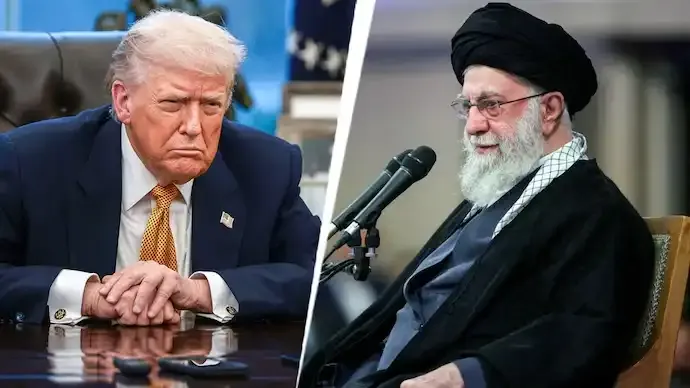
Former US President Donald Trump has signaled a tougher stance toward Iran amid rising tensions in the Middle East, suggesting that a change in Tehran’s leadership could be beneficial as diplomatic efforts over Iran’s nuclear programme continue. His remarks come at a time when Washington is strengthening its military presence in the region and warning of consequences if negotiations fail.
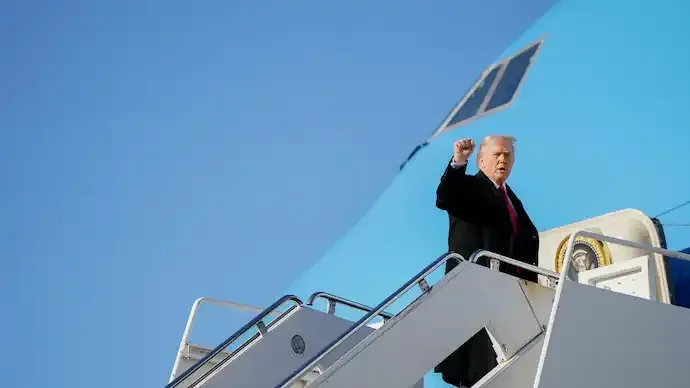
Speaking to reporters after visiting troops in North Carolina, Trump indicated that a shift in Iran’s ruling structure could improve regional stability. He expressed frustration over decades of strained relations and ongoing hostilities, noting the prolonged conflict and human cost associated with tensions between the United States and Iran.
The comments reflect growing pressure on Tehran as talks remain uncertain. Trump emphasized that the United States has endured years of conflict and losses while diplomatic engagements have yielded limited progress. While he did not identify any potential successor leadership, he suggested that alternatives exist within Iran’s political landscape.
US military presence expands
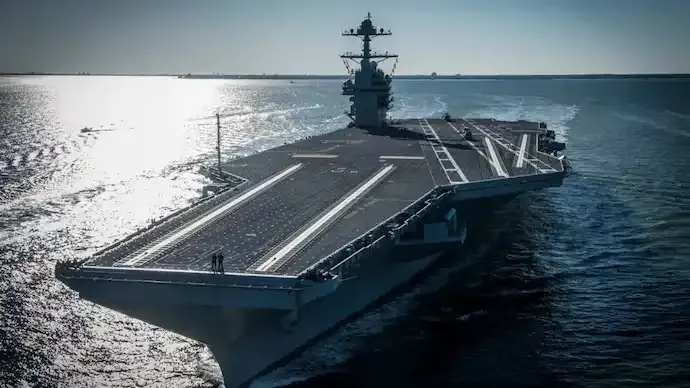
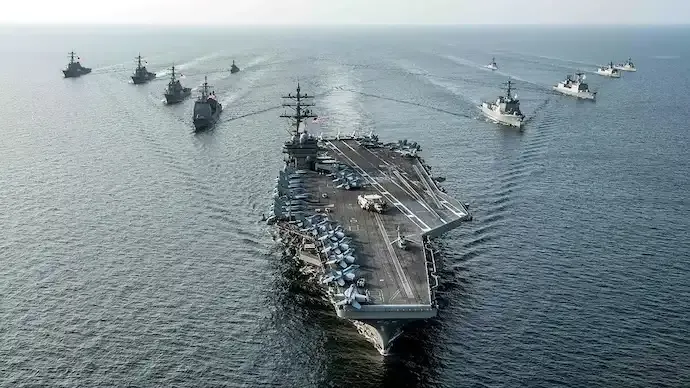
Trump’s remarks coincided with confirmation that the United States is deploying a second aircraft carrier strike group to the Middle East. The USS Gerald R. Ford, the world’s largest aircraft carrier, is being repositioned from the Caribbean to join the USS Abraham Lincoln and other naval assets already operating in the region.
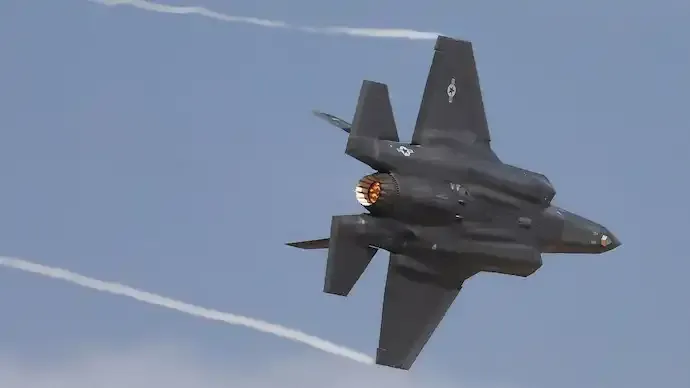
The additional deployment significantly enhances US military readiness and is viewed as a strategic measure to increase leverage in negotiations with Tehran. Trump stated that the expanded presence is intended to ensure preparedness should diplomatic efforts fail, while also serving as a deterrent against escalation.
Although no immediate military action has been announced, US officials have indicated that all options remain on the table. Trump expressed hope that negotiations would succeed but warned that failure to reach an agreement could result in serious consequences for Iran.
Diplomatic and regional pressures
Washington has intensified pressure following Iran’s recent crackdown on protests and continued tensions across the region. Trump said he expects progress in nuclear negotiations within weeks and urged swift agreement.
He also held discussions with Israeli Prime Minister Benjamin Netanyahu regarding the ongoing talks. Israel has urged the United States to ensure any agreement addresses Iran’s ballistic missile programme and its support for regional militant groups.
Regional tensions remain high following recent security incidents, including the interception of an Iranian drone near a US naval vessel and maritime confrontations in the Strait of Hormuz. Gulf nations have warned that further escalation could trigger a wider regional conflict.
Meanwhile, exiled opposition figure Reza Pahlavi has called for renewed anti-government demonstrations inside Iran, urging citizens to express dissent and seek international support. Observers note that ongoing protests and mourning ceremonies for victims of recent unrest could intensify internal pressure on Iran’s leadership.
The evolving situation underscores the fragile balance between diplomacy and military deterrence in the Middle East. As negotiations continue, the increased US naval deployment and political rhetoric signal a period of heightened geopolitical uncertainty with potential global implications.

Conversation
Be kind and stay on topic. Comments are moderated; abuse, spam and personal attacks are removed. Report a problem