Iran Refuses to Halt Uranium Enrichment as Nuclear Talks With US Face Rising Tensions

Iran Refuses to Halt Uranium Enrichment as Nuclear Talks With US Face Rising Tensions

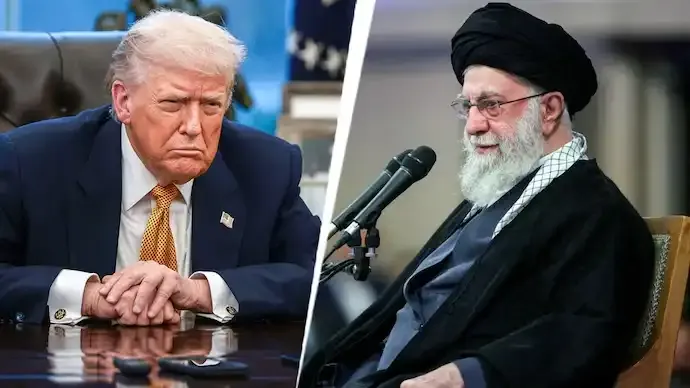
Iran has reiterated that it will not abandon its uranium enrichment programme despite renewed diplomatic negotiations and mounting international pressure. The statement, delivered by Iranian Foreign Minister Abbas Araghchi during a public forum in Tehran, underscores the growing tensions surrounding ongoing nuclear discussions between Tehran and Washington.

Speaking to an audience that included international observers, Araghchi emphasised that enrichment remains a core element of Iran’s national policy and sovereignty. He argued that external powers have no authority to dictate Tehran’s nuclear strategy, framing the issue as one of independence rather than confrontation. His remarks come at a time when both countries have resumed talks in Oman, marking a rare moment of engagement after years of strained relations.

The negotiations are taking place against a complex geopolitical backdrop. Tehran is seeking relief from economic sanctions that have weighed heavily on its economy, while the United States and its allies continue to push for tighter restrictions on Iran’s nuclear activities. Western governments and Israel have long expressed concerns that enrichment capabilities could be used to develop nuclear weapons, an allegation Iran continues to reject, insisting its programme is strictly peaceful.

Araghchi also expressed scepticism about Washington’s intentions, pointing to ongoing military deployments and additional sanctions announced during the negotiation period. The presence of US naval forces in the region was described by Iranian officials as a pressure tactic unlikely to influence Tehran’s stance. Despite these tensions, both sides have indicated that dialogue remains open, with leaders describing the latest discussions as cautiously positive.

Iran has signalled willingness to explore confidence-building measures if they lead to meaningful economic relief, though officials stressed that any agreement must respect the country’s national dignity and security interests. Analysts believe the success of the negotiations will depend on whether both parties can balance strategic concerns with diplomatic compromise.

The situation is further complicated by domestic unrest within Iran, where protests linked to economic hardship and political grievances have added pressure on the government. Conflicting reports about casualties and arrests during the unrest highlight the fragile environment in which diplomatic talks are unfolding.

International observers say the latest developments illustrate the challenges of reviving trust between Tehran and Washington. While public statements from both sides show some openness to progress, continued sanctions and military activity risk undermining confidence in the process.

As discussions continue, Iran’s firm stance on uranium enrichment signals that negotiations are likely to remain complex and prolonged. The outcome could have far-reaching implications for regional stability, global energy markets and the future of nuclear diplomacy in the Middle East.

Prev Article
Jimmy Lai Sentenced to 20 Years in Jail as Hong Kong National Security Case Draws Global Attention
Next Article
Bangladesh Election Violence Escalates as BNP and Jamaat Supporters Clash Days Before Crucial Poll

Related to this topic: