
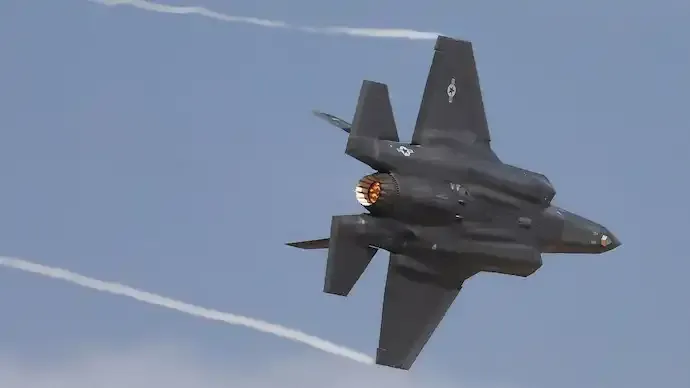
The United States has deployed a significant concentration of air power to the Middle East as tensions with Iran intensify. Officials describe the buildup as the largest American air deployment in the region since the 2003 Iraq War, raising concerns about potential military action and regional instability.
Reports indicate the deployment includes advanced fighter aircraft, command-and-control platforms, and air defence systems designed to support large-scale operations.
Advanced Fighter Jets and Air Systems Deployed
The military buildup reportedly includes squadrons of advanced aircraft such as the F-35 Lightning II, F-22 Raptor, F-15 Eagle and F-16 Fighting Falcon.
Command-and-control aircraft essential for coordinating air operations are also being deployed, along with missile defence systems to strengthen regional protection.
Officials say additional aircraft are expected to arrive in the coming weeks.
US Navy Carrier Groups Strengthen Presence
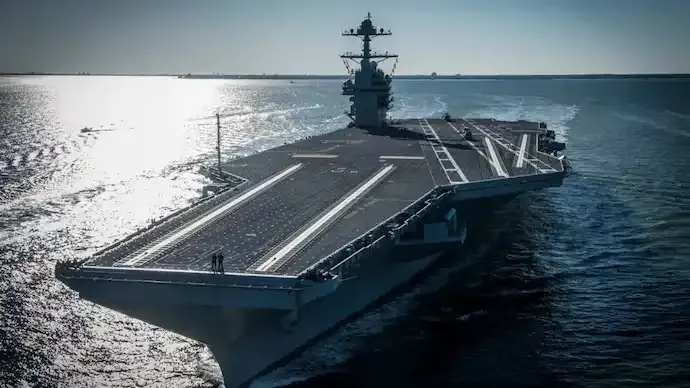
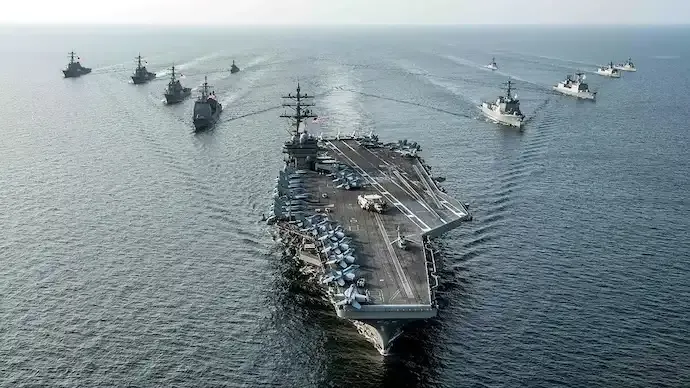
The US Navy has positioned a strong maritime force in the region, including the aircraft carrier USS Abraham Lincoln and multiple destroyers capable of defending against ballistic missile threats.
A second carrier strike group led by USS Gerald R. Ford is reportedly en route, further enhancing operational readiness in the Middle East and eastern Mediterranean.
Strike Decision Awaits White House Approval
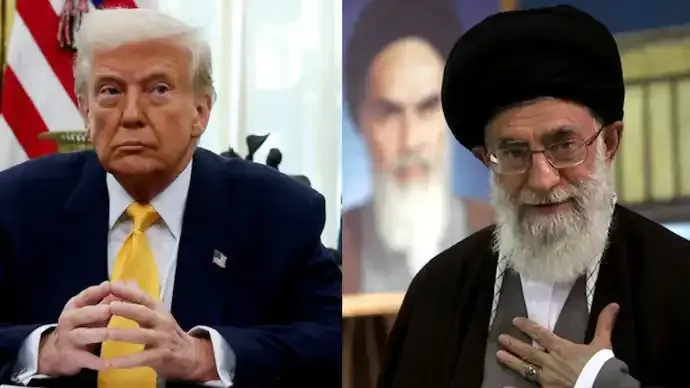
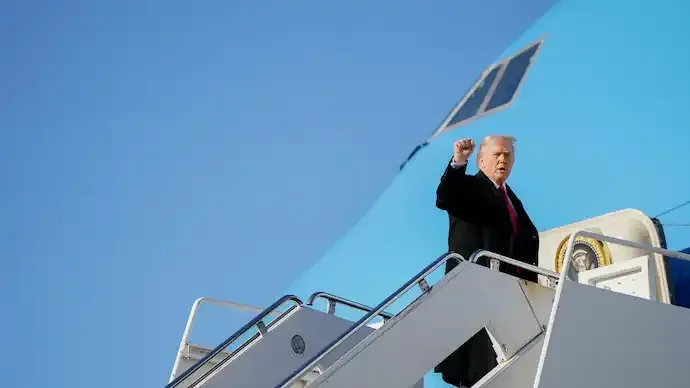
According to reports, the US military has prepared options for potential strikes, with briefings presented to President Donald Trump. While no final decision has been announced, sources indicate readiness for action if authorised.
Senior national security officials reportedly discussed deployment timelines and operational plans during meetings at the White House Situation Room.
Nuclear Talks Continue Amid Military Posturing
The military buildup comes alongside ongoing nuclear negotiations. Washington has urged Tehran to abandon its nuclear programme, while Iran maintains that its activities are peaceful and denies pursuing nuclear weapons.
The Strait of Hormuz has seen increased military activity, with Iran conducting naval drills and planning joint exercises with Russia.
Meanwhile, diplomatic discussions in Geneva have reportedly produced limited progress, with further talks expected in the coming weeks.
Regional and Global Implications
The scale of the deployment mirrors the military buildup seen prior to the 2003 Iraq invasion, signalling heightened readiness amid rising geopolitical tensions.
Analysts warn that any escalation could have far-reaching consequences for global energy markets, maritime security, and regional stability.
While diplomatic channels remain open, the growing military presence underscores the fragile balance between negotiation and confrontation in one of the world’s most strategically sensitive regions.


Conversation
Be kind and stay on topic. Comments are moderated; abuse, spam and personal attacks are removed. Report a problem