



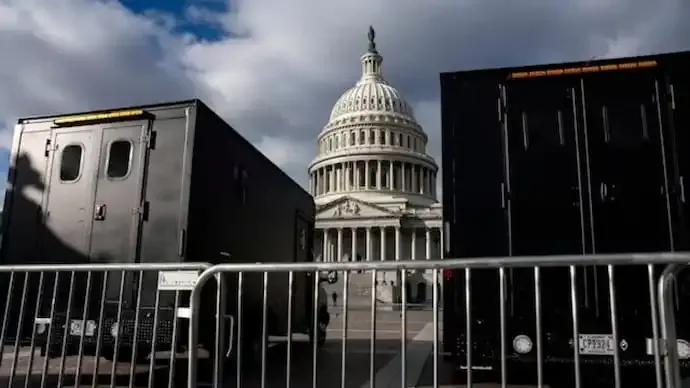
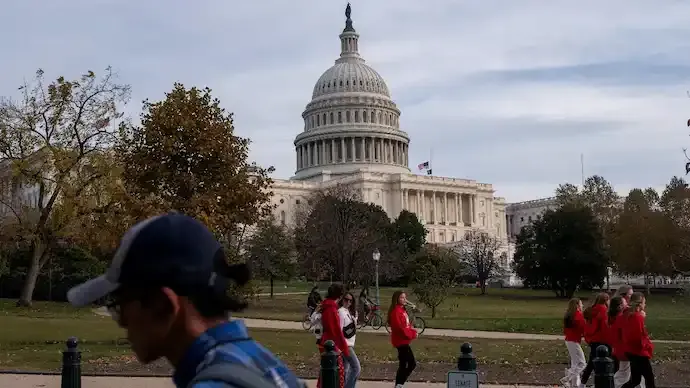
The United States government officially shut down at 12:01 a.m. on Wednesday, marking the first federal closure in six years, after the Senate failed to pass a critical stopgap funding bill. The measure, intended to keep government operations running while Congress works on the annual budget, was rejected in a 55-45 vote, plunging federal agencies into uncertainty.
Immediate Effects of the Shutdown
The shutdown has forced non-essential government operations to halt, leaving thousands of federal employees in a state of furlough. Essential services, such as national security, law enforcement, and air traffic control, continue to operate, but other departments, including administrative and support services, are expected to remain closed until funding is restored.
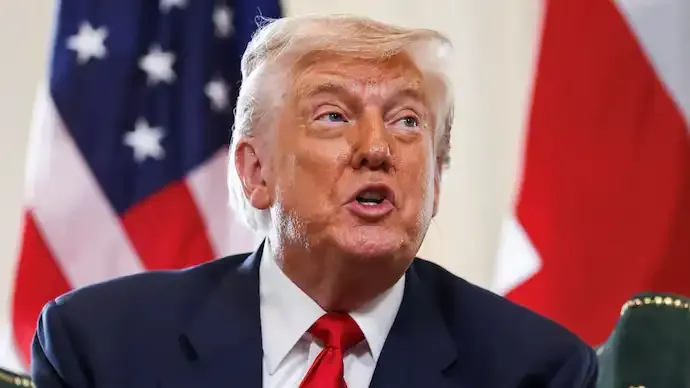
President Donald Trump reacted to the shutdown by warning of potential further layoffs of federal staff, intensifying concern among employees and contractors dependent on timely government paychecks. The closure also raises questions about the functioning of federal programs, public services, and economic stability in the short term.

Political Context and Implications
The shutdown reflects ongoing political deadlock in Washington, with lawmakers unable to reach consensus on funding priorities. The failure to approve a stopgap funding bill highlights deep divisions within the Senate and between political parties, and it underscores challenges in passing essential legislation on time.
Experts warn that prolonged shutdowns can have serious consequences, including delayed federal contracts, disruptions in social services, and potential economic repercussions for markets and the broader economy. Lawmakers are now under pressure to negotiate a resolution quickly to reopen the government and restore normal operations.
What Comes Next
While the shutdown is temporary, its duration depends on Congress reaching a compromise. Analysts suggest that negotiations could be intense, with potential impacts on federal workers, citizens reliant on government services, and financial markets. Meanwhile, the American public watches closely as political leaders face the urgent task of restoring government functionality.



Conversation
Be kind and stay on topic. Comments are moderated; abuse, spam and personal attacks are removed. Report a problem