

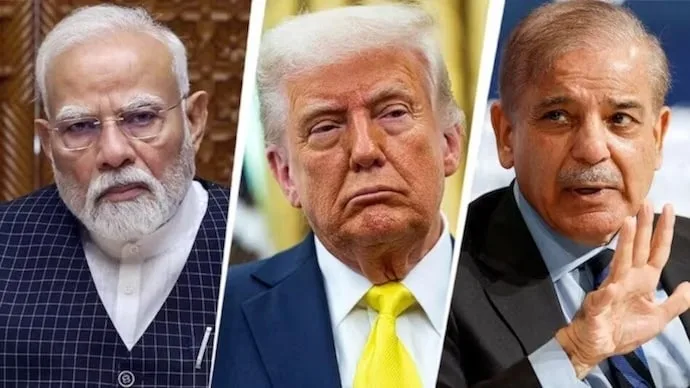

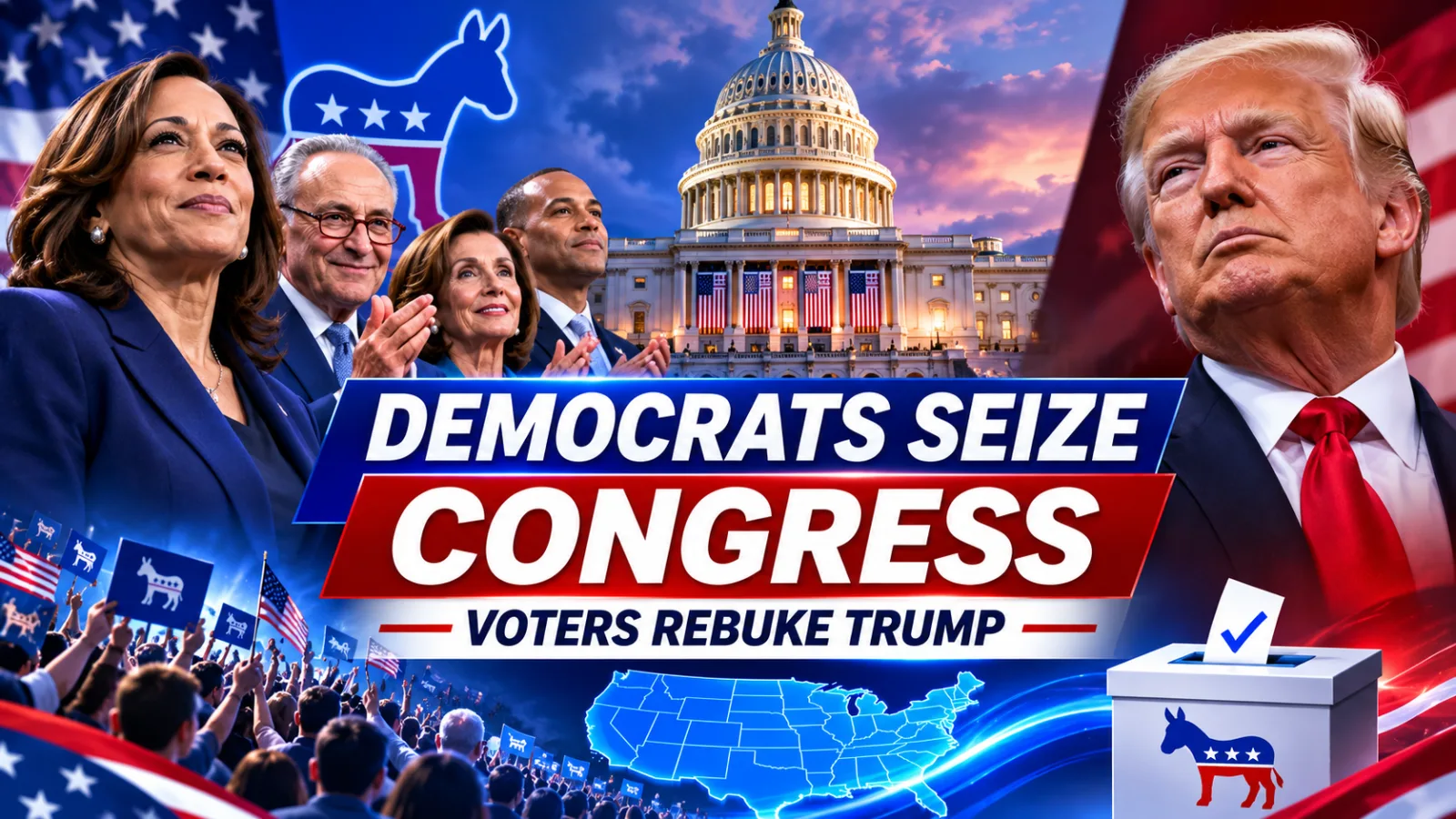
The US midterm results impact on India and Pakistan could be significant after Democrats took control of both chambers of Congress, delivering a major political setback to President Donald Trump. The development is expected to increase scrutiny of his administration’s policies and dealings, potentially creating different challenges and opportunities for New Delhi and Islamabad.
For India, the shift could provide greater room to negotiate trade terms and bring renewed attention to immigration restrictions affecting Indian professionals. Pakistan, meanwhile, could face questions over business and defence agreements developed through connections with Trump's inner circle.
Although Trump will remain in office until January 2029, a Democrat-controlled Congress could make it more difficult for him to advance his legislative agenda without opposition.

India Could Get More Room in Trade Negotiations
The election outcome may influence the long-running India-US trade negotiations. Trump could seek a significant foreign policy achievement to demonstrate strength after the Republican setback, making a trade agreement with India an important possibility.
India has been seeking more favourable tariff conditions, particularly compared with competitors such as China and Vietnam. However, negotiations have remained stalled amid disagreements over tariffs and other trade-related issues.
The Trump administration is also investigating India and other countries under Section 301 of the Trade Act over concerns about strategic excess manufacturing capacity.
A weakened Trump could give Indian negotiators more time and bargaining space. However, Democratic control of Congress will not automatically remove the tariffs imposed by the President through executive powers.
Instead, lawmakers could examine the economic consequences of those decisions and increase pressure on the administration to reconsider certain measures.
H-1B Visa Restrictions May Face Greater Scrutiny
Immigration is another important area for India. Trump's restrictions on skilled foreign workers have created uncertainty for Indian professionals and American technology companies.
The administration has introduced a $100,000 fee for H-1B visas and directed federal agencies to scrutinise applications from companies laying off American workers.
Indian nationals account for approximately three out of every four approved H-1B visas, making the programme particularly important for India's technology workforce.
Several Democratic lawmakers have criticised the restrictions. Their control of Congress could lead to closer examination of the economic impact on US technology businesses.
However, India may also face increased criticism from Democratic lawmakers over human rights, religious freedom and the treatment of minority communities.
Pakistan's Deals With Trump's Inner Circle Could Face Questions
Pakistan's concerns could be different. Islamabad has spent considerable effort building closer relations with Trump, including through business arrangements involving companies connected to his family and associates.
These include a memorandum of understanding with an affiliate of World Liberty Financial, the Trump family's cryptocurrency venture, and a defence agreement involving US-based drone company Powerus, which has links to Trump's sons.
Pakistan also signed a $500 million memorandum of understanding with US Strategic Metals to develop critical minerals.
Another significant arrangement concerns the renovation of the Roosevelt Hotel in New York, owned by Pakistan's national airline. US special envoy Steve Witkoff reportedly played a role in facilitating the arrangement.
Pakistan Army Chief Asim Munir was involved in advancing several of these engagements and has cultivated a close relationship with Trump.
With Democrats controlling Congress, investigations into Trump's family business interests, cryptocurrency ventures and other financial dealings could intensify. This may bring Pakistan's agreements and its military leadership's connections with Trump's circle under greater scrutiny.
What the Political Shift Means for South Asia
For India, the Democratic takeover could create additional negotiating space on trade and immigration, although disagreements over human rights may become more prominent.
For Pakistan, the bigger concern is the possibility that business and defence relationships developed through Trump's inner circle could attract congressional investigations.
The developments do not necessarily signal an immediate change in Washington's foreign policy towards either country. However, they could make Trump's remaining presidency more politically constrained and introduce fresh uncertainty into US relations with South Asia.
Read more: All India Story





Conversation
Be kind and stay on topic. Comments are moderated; abuse, spam and personal attacks are removed. Report a problem