

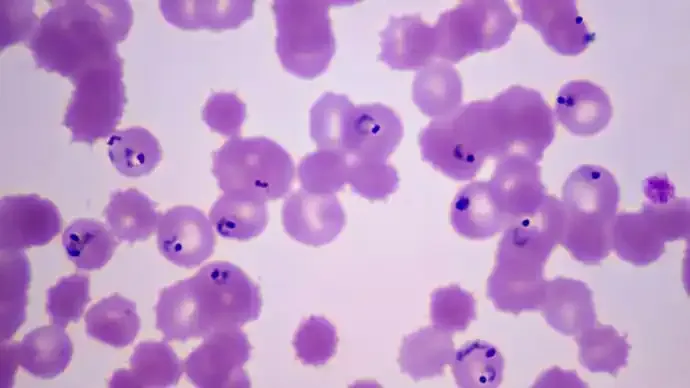

Health authorities in the United States are investigating a multi-state Cyclospora outbreak after 694 confirmed cases of cyclosporiasis were reported across 18 states. Officials have warned that the number of infections could increase as investigations continue and more cases are identified.
The US Centers for Disease Control and Prevention (CDC) and the Food and Drug Administration (FDA) are jointly investigating the outbreak. However, they have not yet identified a single food item or common source responsible for the infections.
Public health experts say the illness is generally treatable, but dehydration remains the most serious complication, particularly for children, older adults and people with weakened immune systems.

What is Cyclospora?
Cyclospora is a microscopic parasite that infects the small intestine and causes an illness known as cyclosporiasis.
The parasite typically spreads through contaminated food or water and is most commonly associated with fresh fruits and vegetables exposed to human faecal contamination.
Unlike many intestinal infections, Cyclospora does not spread immediately after leaving an infected person's body. It requires one to two weeks in the environment before becoming infectious, making direct person-to-person transmission uncommon.
What is causing the current outbreak?
As of July 6, US health authorities had recorded 694 cases across 18 states.
Investigators are still working to identify the source of the outbreak. So far:
- No single food product has been linked to all reported cases.
- The CDC and FDA are conducting trace-back investigations.
- Officials expect additional cases to emerge as surveillance continues.
Previous Cyclospora outbreaks in the US have often been linked to contaminated fresh produce, especially during the summer months.
How does Cyclospora spread?
Cyclospora infection usually occurs after consuming food or drinking water contaminated with the parasite.
Common sources include:
- Fresh leafy vegetables
- Herbs
- Berries
- Salad mixes
- Contaminated drinking water
Because the parasite requires time to mature outside the human body, experts say household transmission between family members is relatively rare.
Cyclospora symptoms to watch for
Symptoms generally appear about one week after infection.
The most common symptoms include:
- Watery diarrhoea
- Frequent or explosive diarrhoea
- Stomach cramps
- Nausea
- Bloating
- Loss of appetite
- Fatigue
- Headache
- Weight loss in prolonged cases
Without treatment, symptoms may continue for several weeks and can disappear and return repeatedly.
Who is most at risk?
Although anyone can become infected, certain groups face a greater risk of severe illness.
These include:
- Young children
- Older adults
- Pregnant women
- People with chronic medical conditions
- Individuals with weakened immune systems
The greatest concern is dehydration caused by prolonged diarrhoea.
Signs of dehydration include:
- Excessive thirst
- Dry mouth
- Dizziness
- Reduced urination
- Weakness
- Confusion in severe cases
Anyone experiencing these symptoms should seek medical attention promptly.
How is Cyclospora treated?
Doctors generally treat cyclosporiasis with prescription antibiotics, which are effective in clearing the infection.
Treatment may also include:
Fluid replacement
Oral rehydration solutions help replace lost fluids and electrolytes.
Rest
Patients are advised to rest while recovering from diarrhoea and dehydration.
Medical monitoring
People at higher risk may require additional medical supervision if symptoms become severe.
Patients should avoid self-medicating with antibiotics without consulting a healthcare professional.
How to reduce the risk of infection
Since the exact source of the current outbreak remains unknown, health authorities recommend following standard food safety practices.
Wash your hands
Clean hands thoroughly with soap and water before handling or eating food.
Rinse fresh produce
Wash fruits and vegetables under running water before consumption.
Scrub firm produce
Use a clean produce brush for melons, cucumbers and similar fruits and vegetables.
Remove damaged portions
Cut away bruised or damaged areas that may harbour contamination.
Refrigerate promptly
Store peeled or cut fruits and vegetables in the refrigerator within two hours.
Good food hygiene remains one of the most effective ways to reduce the risk of foodborne illnesses.
Why Cyclospora outbreaks are difficult to investigate
Identifying the source of Cyclospora outbreaks can be challenging because:
- Symptoms appear several days after exposure.
- Patients may not remember everything they ate.
- Fresh produce is distributed through complex supply chains.
- Multiple food items may be contaminated simultaneously.
These factors often make trace-back investigations lengthy and complex.
What happens next?
The CDC and FDA continue to investigate the outbreak while monitoring new infections.
Officials are urging healthcare providers to report suspected cases promptly and encouraging the public to seek medical care if persistent diarrhoea develops after consuming fresh produce or travelling to affected areas.
Further updates are expected as investigators identify the source of contamination.
Featured Snippet
The United States is investigating a Cyclospora outbreak after 694 cases were reported across 18 states. Health officials have not identified a common food source but warn infections could increase. Cyclospora causes severe diarrhoea and is usually spread through contaminated food or water.
Key Highlights
- Nearly 700 Cyclospora cases have been reported across 18 US states.
- The CDC and FDA are jointly investigating the outbreak.
- No common food source has been identified so far.
- Cyclospora spreads mainly through contaminated food or water.
- Watery diarrhoea is the most common symptom.
- Dehydration remains the biggest health risk.
- Antibiotics are the standard treatment for cyclosporiasis.
- Good food hygiene can help reduce the risk of infection.
Conclusion
The ongoing Cyclospora outbreak highlights the importance of food safety and rapid public health surveillance. Although investigators have yet to identify the source of contamination, the growing number of infections across multiple states has prompted increased monitoring by US health agencies. Early diagnosis, prompt treatment and proper hydration remain essential for recovery, while safe food handling practices continue to be the best defence against infection.
FAQs
1. What is Cyclospora?
Cyclospora is a microscopic parasite that causes an intestinal illness called cyclosporiasis.
2. How many cases have been reported in the US?
As of July 6, health authorities had confirmed 694 cases across 18 states.
3. What are the symptoms of Cyclospora infection?
Common symptoms include watery diarrhoea, stomach cramps, nausea, bloating, headache and loss of appetite.
4. How does Cyclospora spread?
The parasite usually spreads through contaminated food or water, particularly fresh produce.
5. Is Cyclospora contagious?
Direct person-to-person spread is considered unlikely because the parasite requires time outside the body before becoming infectious.
6. How is cyclosporiasis treated?
Doctors typically prescribe antibiotics, along with fluids to prevent dehydration.
7. Who faces the highest risk of complications?
Young children, older adults, pregnant women and people with weakened immune systems are at greater risk.
8. How can I prevent Cyclospora infection?
Wash hands frequently, rinse fruits and vegetables thoroughly, refrigerate fresh produce properly and follow good food hygiene practices.








Conversation
Be kind and stay on topic. Comments are moderated; abuse, spam and personal attacks are removed. Report a problem