

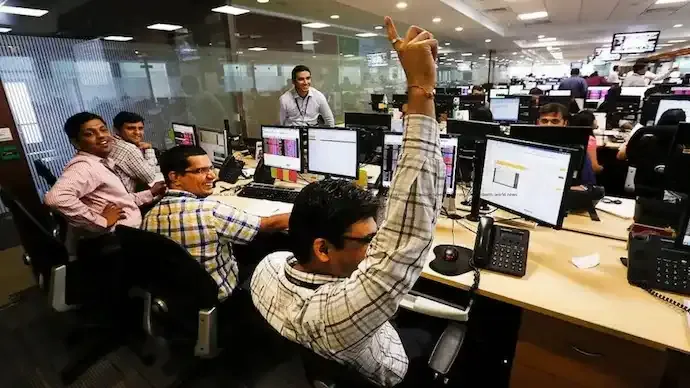

Fresh military strikes between the United States and Iran have once again raised concerns over stability in the Middle East. Yet, instead of retreating, Indian equity markets opened sharply higher, with the Sensex and Nifty recovering strongly despite fears surrounding the Strait of Hormuz.
The apparent disconnect highlights an important reality—markets are currently responding more to oil prices and domestic fundamentals than geopolitical headlines.
Key Highlights
- Sensex climbed over 500 points despite fresh US-Iran tensions.
- Nifty crossed the 24,000 mark during early trade.
- Investors remain focused on crude oil prices rather than military developments.
- Markets appear confident that global energy supplies will remain stable.
- Domestic earnings and macroeconomic indicators continue to support investor sentiment.
Why Markets Are Ignoring the War Headlines
Geopolitical tensions typically trigger volatility in financial markets, especially when they involve the Middle East.

However, investors are assessing the economic impact rather than reacting to headlines alone.
At present, markets believe:
- Oil supplies have not been significantly disrupted.
- Global shipping continues despite heightened security risks.
- The conflict has not yet evolved into a prolonged energy crisis.
As long as crude prices remain under control, equities are expected to remain relatively resilient.
Oil Prices Matter More Than Missiles
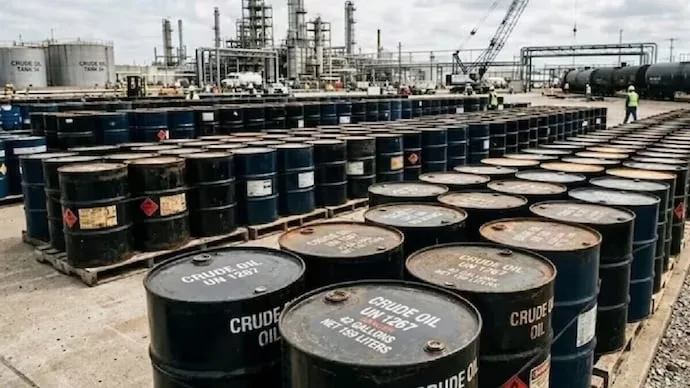
For India, the biggest economic risk from a Middle East conflict is not military action itself but rising crude oil prices.
India imports the majority of its crude oil requirements.
Higher oil prices can lead to:
- Rising inflation
- Higher fuel costs
- Pressure on the rupee
- Increased import bills
- Lower corporate profitability
Since crude markets have not witnessed an uncontrolled spike, investors remain relatively optimistic.
Strait of Hormuz Remains Under Watch
The Strait of Hormuz is one of the world's most important energy corridors.
A significant share of global oil exports passes through the narrow waterway.
Although recent attacks on commercial shipping have raised concerns, markets currently believe that major global powers will work to prevent a prolonged disruption of maritime trade.
Any sustained blockage, however, could quickly change investor sentiment.
Domestic Factors Supporting Dalal Street
Apart from global developments, Indian equities continue to benefit from strong domestic drivers.
These include:
- Stable economic growth.
- Expectations of healthy corporate earnings.
- Continued domestic institutional buying.
- Strong retail investor participation.
- Positive long-term outlook for India's economy.
These factors are helping cushion markets against overseas uncertainties.
What Investors Are Watching Next
Market participants are closely monitoring several developments:
- Movement in Brent crude prices.
- Shipping activity through the Strait of Hormuz.
- Any further military escalation.
- US policy announcements.
- Corporate earnings for the current quarter.
Any sharp increase in oil prices could quickly alter market sentiment.
Should Investors Panic?
Market experts generally advise against making investment decisions based solely on geopolitical headlines.
Instead, investors typically focus on:
- Corporate earnings
- Inflation trends
- Interest rates
- Economic growth
- Long-term fundamentals
Unless geopolitical tensions begin materially affecting the global economy, equity markets often recover after initial volatility.
FAQs
Why is Sensex rising despite the US-Iran conflict?
Investors currently believe the conflict has not significantly disrupted global oil supplies, allowing markets to focus on economic fundamentals.
Why is oil important for Indian markets?
India imports most of its crude oil. Rising oil prices increase inflation, fuel costs and corporate expenses, affecting overall market performance.
What is the Strait of Hormuz?
It is one of the world's busiest maritime routes through which a significant share of global crude oil and LNG exports passes.
Could markets fall if tensions worsen?
Yes. A prolonged disruption to oil supplies or a sharp rise in crude prices could increase volatility in global and Indian markets.
What are investors monitoring now?
Investors are watching crude oil prices, developments in the Middle East, corporate earnings and domestic economic indicators.
Conclusion
Despite escalating tensions between the United States and Iran, Indian markets have remained resilient because investors are focusing on economic fundamentals rather than geopolitical headlines. For Dalal Street, the bigger concern is not the exchange of missiles but whether the conflict significantly disrupts global oil supplies. As long as crude prices remain stable, investor confidence is likely to remain intact despite heightened geopolitical uncertainty.





Conversation
Be kind and stay on topic. Comments are moderated; abuse, spam and personal attacks are removed. Report a problem