



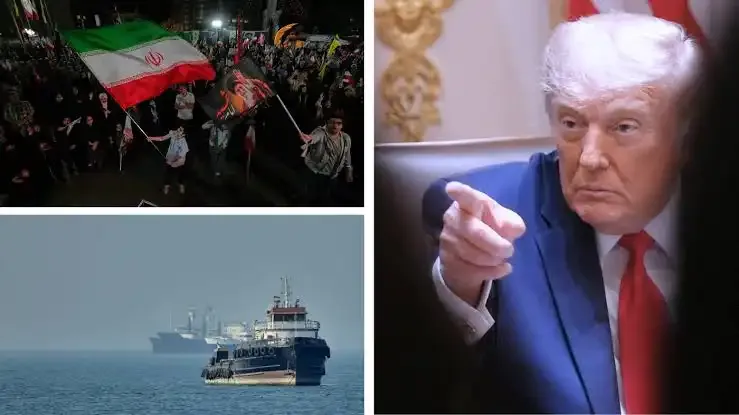
The United States is preparing for the possibility of an extended military campaign against Iran as tensions escalate over attacks on commercial vessels transiting the Strait of Hormuz. American officials say the duration of military operations will depend on Tehran's future actions, marking a significant escalation in the ongoing confrontation.
Key Highlights
- The White House is preparing for a prolonged military campaign against Iran.
- The conflict has shifted from missile and nuclear targets to securing the Strait of Hormuz.
- US officials say operations could last from several days to weeks.
- Washington has warned that attacks on commercial shipping will invite further military action.
- The Strait of Hormuz remains one of the world's most critical energy transit routes.
US Expands Focus Beyond Nuclear Targets
The latest escalation represents a strategic shift in Washington's approach toward Iran.
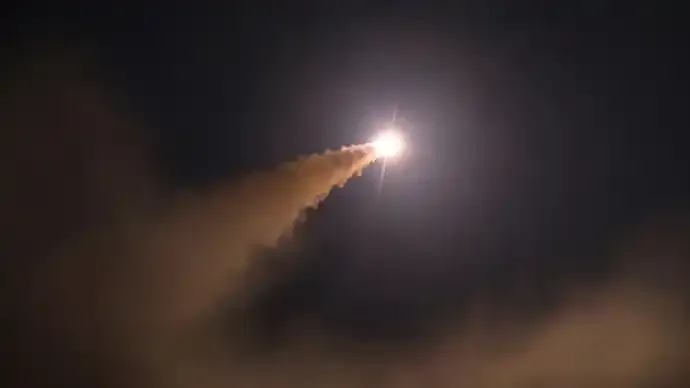
Initial military operations were largely aimed at degrading Iran's missile capabilities and targeting elements of its nuclear infrastructure. However, recent attacks on commercial vessels have expanded the US objective to protecting international shipping through the Strait of Hormuz.

Officials say ensuring freedom of navigation has now become a central military priority.
White House Prepares for Longer Conflict
According to US officials quoted by Axios, the military campaign could continue for anywhere between a few days and several weeks.
A senior administration official indicated that future operations would depend on Iran's conduct.
"If Iran continues targeting commercial shipping, military operations will continue," the official was quoted as saying.
The White House has not announced a formal timeline but has acknowledged that contingency planning is underway.
Strait of Hormuz at the Centre of Global Attention
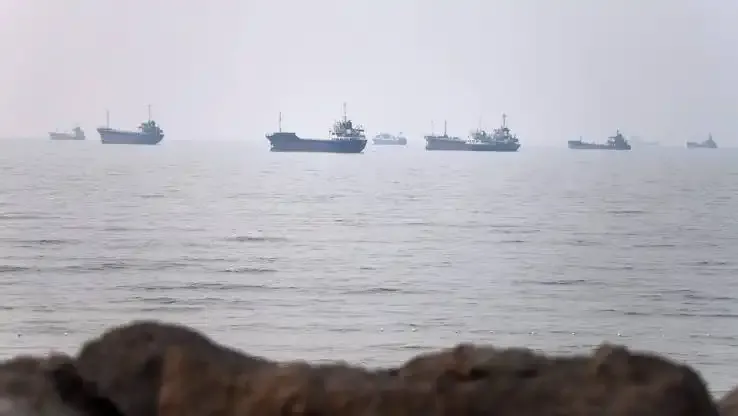
The Strait of Hormuz is one of the world's most strategically important maritime corridors.
A significant share of global oil and liquefied natural gas exports passes through the narrow waterway connecting the Persian Gulf to international markets.
Any disruption in the region has the potential to impact:
- Global oil prices
- Energy supply chains
- Maritime insurance costs
- International shipping routes
- Regional security
Recent attacks on commercial vessels have intensified concerns among governments and energy markets worldwide.
Trump Questions Iran's Intentions
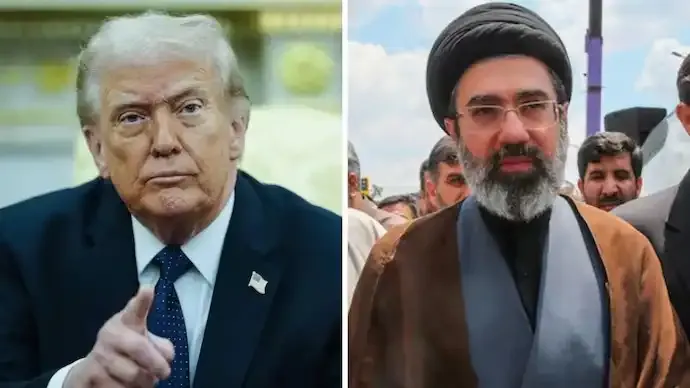
US President Donald Trump has expressed skepticism about Tehran's willingness to honour future agreements.
According to officials, Washington believes military pressure remains necessary until Iran demonstrates a sustained commitment to protecting international shipping and reducing regional tensions.
Regional Tensions Continue to Rise
The latest developments come amid an already volatile security environment in the Middle East.
Diplomatic efforts aimed at reducing tensions have slowed, while military deployments in the Gulf have increased as both sides exchange warnings.
Analysts say the coming days could prove critical in determining whether the confrontation remains limited or evolves into a broader regional conflict.
Why the Strait of Hormuz Matters
The Strait of Hormuz is widely regarded as one of the world's most important maritime chokepoints.
Its strategic importance includes:
- Connecting the Persian Gulf with global shipping lanes.
- Handling a substantial portion of global crude oil exports.
- Serving as a key route for LNG shipments.
- Supporting energy security for Asia, Europe and other major economies.
Any prolonged disruption can have significant economic consequences beyond the Middle East.
FAQs
Why is the US expanding military operations against Iran?
US officials say the focus has shifted toward protecting commercial shipping after attacks on vessels in the Strait of Hormuz.
How long could the military campaign last?
According to US officials, operations could continue for several days or even weeks, depending on Iran's actions.
Why is the Strait of Hormuz strategically important?
The waterway is one of the world's busiest energy shipping routes, carrying a significant share of global oil and LNG exports.
Has the White House announced a fixed military timeline?
No. Officials say the duration of operations will depend on developments on the ground and Iran's response.
Could the conflict affect global energy markets?
Yes. Any disruption to shipping through the Strait of Hormuz can influence oil prices, energy supplies and global trade.
Conclusion
The United States has signalled that its military response against Iran may extend well beyond initial strikes, with protecting commercial shipping in the Strait of Hormuz emerging as a key objective. As both sides continue to exchange warnings, the region remains on edge, with global energy markets closely monitoring developments.





Conversation
Be kind and stay on topic. Comments are moderated; abuse, spam and personal attacks are removed. Report a problem