



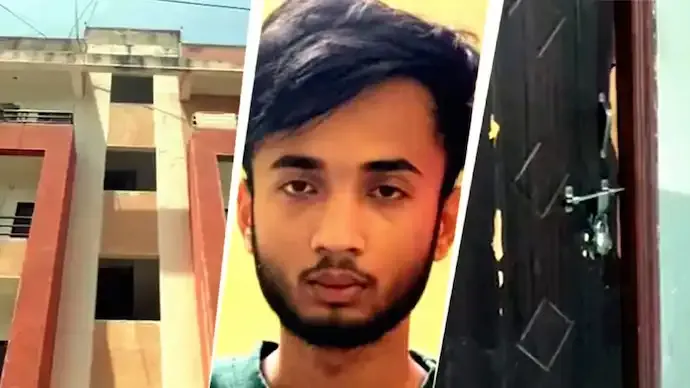
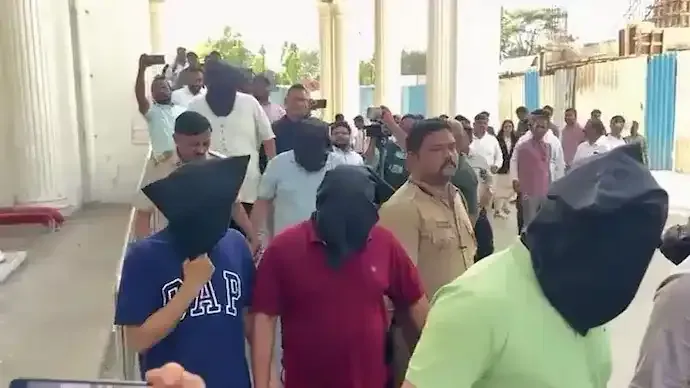
A deeply disturbing case from Amravati district in Maharashtra has triggered nationwide outrage after a 19-year-old accused, Ayan Ahmed Tanveer, was arrested for allegedly exploiting minor girls, recording obscene videos, and using them for blackmail.
According to initial claims circulating locally, the scale of the crime could be massive, with allegations that around 180 girls were targeted and over 350 videos created. However, officials have so far confirmed a smaller number of victims, while warning that the count may rise as the investigation progresses.
Pattern of Grooming and Exploitation
Police investigations point to a calculated and repeated method rather than an isolated act.

The accused allegedly:
- Befriended school-going girls
- Gained their trust over time
- Lured them into relationships
- Recorded private videos without consent
- Used those recordings to threaten and control victims
This systematic approach has raised alarm over the presence of a dangerous grooming pattern targeting minors.
Videos Used as Tool for Blackmail
Authorities have confirmed that the accused not only recorded videos but also used them as leverage to intimidate victims.
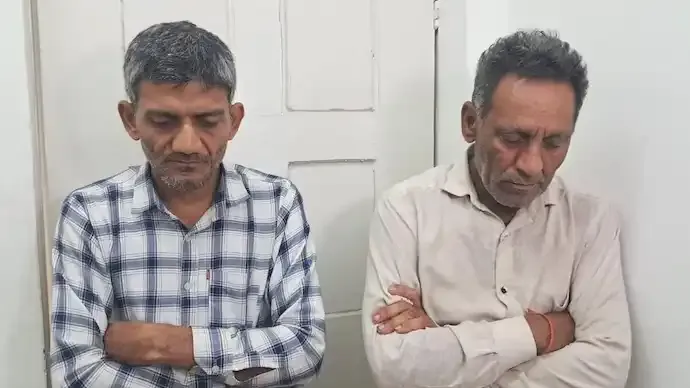
The situation escalated further when a second accused, Ujer Khan Iqbal Khan, allegedly downloaded and circulated around 100 such videos on social media, causing them to spread rapidly and intensifying the damage.
This indicates that the crime went beyond individual exploitation and entered the realm of organised digital abuse and circulation.
Legal Action and Ongoing Probe
The case has been registered under:
- Bharatiya Nyaya Sanhita (BNS)
- Protection of Children from Sexual Offences (POCSO) Act
- Information Technology Act
Police have seized mobile devices and are conducting forensic analysis to retrieve deleted content. Investigators are also examining whether a larger network was involved in producing or distributing the videos.
Major Question: How Did This Continue Unchecked?
Beyond the crime itself, the case raises serious concerns about systemic failure.
Key questions being asked:
- How did such activities continue for so long without detection?
- Why were early warning signs not identified?
- What prevented victims from reporting earlier?
The scale of the allegations suggests a complete breakdown of preventive mechanisms meant to protect minors.
Public Anger and Ground Protests
The incident has sparked intense reactions across Amravati and nearby regions like Paratwada and Achalpur.
Protests and shutdown calls have emerged, with citizens demanding:
- Strictest punishment for the accused
- Fast-track investigation
- Identification of all victims
- Exposure of any wider network
Public sentiment reflects deep anger and zero tolerance for such crimes.
Political Reactions and Accountability Debate
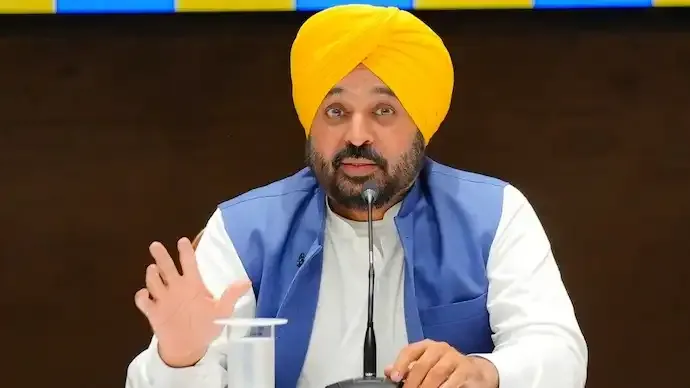
The case has also taken a political turn, with leaders calling for a Special Investigation Team (SIT) and stricter action.
At the same time, criticism has emerged over attempts to shift focus rather than address the core issue—failure to prevent such crimes in the first place.
Bulldozer Action and Crackdown
Authorities have carried out demolition action on the accused’s residence, targeting alleged illegal structures.
While such actions send a strong signal, many argue that reactive measures alone cannot address deeper systemic weaknesses.
A Larger Warning on Digital Exploitation
This case highlights a growing and dangerous trend:
- Use of technology for exploitation
- Blackmail through recorded content
- Rapid spread via social media
Without stronger monitoring and awareness, such crimes can escalate quickly.
What Needs Immediate Attention
The case demands urgent reforms:
- Strong cyber surveillance systems
- Awareness programs for students and parents
- Faster legal proceedings
- Strict punishment to deter future crimes
Most importantly, victims must be assured safety and confidentiality to come forward.





Conversation
Be kind and stay on topic. Comments are moderated; abuse, spam and personal attacks are removed. Report a problem