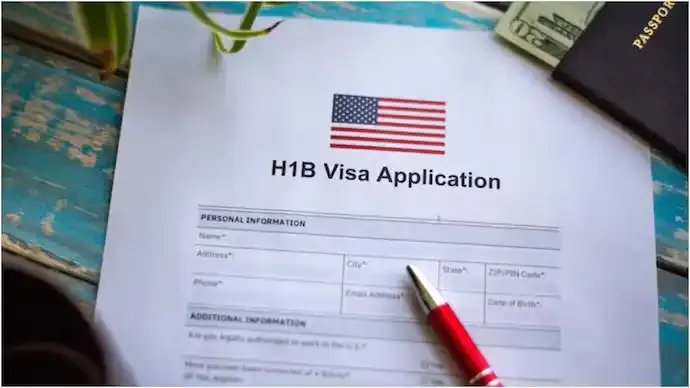
Anti-India and anti-Hindu rhetoric has flared across social media platforms after a controversial video on the H-1B visa programme, filmed in Texas, went viral — triggering a wave of online outrage, political debate, and allegations of racial targeting.
The controversy began after a US-based journalist and conservative influencer, Sara Gonzales, released a video claiming to expose alleged misuse of the H-1B visa system by technology companies operating in Texas. The video, shared widely on social media, showed Gonzales visiting addresses linked to firms that had received approvals for H-1B visas, questioning whether the companies were genuinely operational.
The situation escalated when a self-described “MAGA patriot,” Blake Kresses, posted a response to the video that contained inflammatory remarks targeting Indians and Hindus. Referring to his experiences while working on political campaigns in the Dallas–Fort Worth area in 2022, Kresses claimed that Indian households dominated suburban neighbourhoods and made derogatory references to Hindu religious symbols, specifically mentioning idols of Lord Ganesha.
His comments were widely condemned online, with users calling them racist, offensive, and rooted in religious intolerance. Indian-origin political commentator Anang Mittal publicly criticised the remarks, describing them as hateful and dangerous, particularly in the current climate of heightened immigration tensions in the United States.
Gonzales’s video itself focused on companies such as 3Bees Technologies and Qubitz Tech Systems, which she alleged had secured multiple H-1B visa approvals while listing residential addresses rather than visible office spaces. In the video, Gonzales attempted to engage individuals associated with the firms, including a listed visa contact, Hari Madiraju, who declined to answer questions and contacted local law enforcement, citing concerns over harassment.
Gonzales argued that the absence of clear commercial offices raised serious questions about the integrity of the H-1B programme, suggesting that the system was being exploited under the pretext of hiring specialised talent. Audio clips in the video captured tense exchanges, further amplifying online debate.
However, immigration experts and legal analysts have cautioned against drawing conclusions solely based on physical office presence. Many startups, consulting firms, and staffing agencies operate remotely or use residential addresses, particularly in early stages. They stress that such arrangements are not inherently illegal and that visa approvals undergo scrutiny by federal authorities.
The controversy unfolds amid a broader shift in US employment practices. Several Indian IT companies operating in the United States have reportedly reduced their dependence on H-1B visa holders while increasing hiring of American citizens, responding to stricter immigration enforcement and political pressure under the Trump administration’s anti-immigration stance.
The H-1B visa programme, designed to allow US employers to hire foreign professionals in specialty occupations when domestic talent is unavailable, has long been a flashpoint in American politics. While critics argue it displaces local workers, industry leaders maintain it remains essential for innovation, particularly in technology and engineering sectors.
As the video continues to circulate and reactions intensify, the episode has reignited concerns over rising xenophobia, religious intolerance, and the weaponisation of immigration debates against specific communities — particularly Indians and Hindus — in the United States.
Prev Article
Trump Slams Canada Over Golden Dome, Warns China Will ‘Eat Them Up’
Next Article
Vance, Trump Accused of Blocking India-US Trade Deal as Senator’s Leaked Audio Goes Viral