

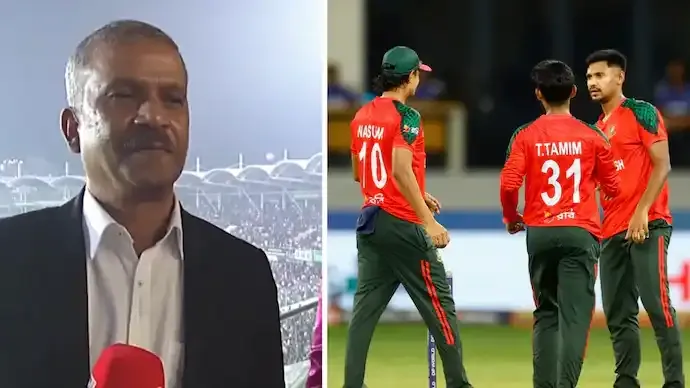

Bangladesh senior assistant coach Mohammad Salahuddin has strongly criticised the decision that led to the national team’s absence from the ICC Men’s T20 World Cup, stating that the move had a severe emotional impact on players and shattered their dreams of competing on the global stage.
Speaking ahead of the Bangladesh Cricket League starting February 23, Salahuddin said the decision to withdraw from the tournament deeply affected several young cricketers who had worked for years to represent their country at a World Cup.
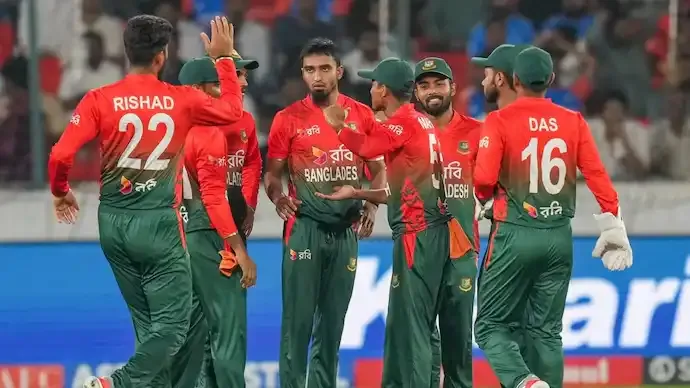
Bangladesh did not participate in the tournament after the government declined to allow the team to play matches scheduled in India, citing security concerns amid rising political tensions. Scotland was subsequently included in Group C as a replacement, marking the first time Bangladesh missed a Men’s T20 World Cup.

Emotional toll on players
Salahuddin described the personal loss experienced by players whose World Cup ambitions were cut short. He said that representing the country at a global tournament is the culmination of years of hard work and sacrifice.
According to the coach, at least two players were emotionally devastated after the withdrawal decision and struggled to cope in the immediate aftermath. He noted that bringing them back into competitive cricket required significant support from the coaching staff and team management.
He emphasised that while players are willing to sacrifice for national interests, the personal impact of missing such a milestone event cannot be ignored.
Criticism over conflicting statements
The coach also criticised former sports advisor Asif Nazrul, alleging that contradictory statements created confusion about the reasons behind the withdrawal.
Initially, the decision was described as a government directive. Later remarks suggested it was a collective decision by the Bangladesh Cricket Board and players to protect national dignity. Salahuddin expressed concern over the change in narrative and said the inconsistency made it difficult to explain the situation to players.
Background to the boycott
Bangladesh’s withdrawal was linked to security concerns and strained diplomatic conditions between Dhaka and New Delhi. Officials stated that the safety of players, staff, and supporters could not be guaranteed under prevailing circumstances.
Tensions escalated amid controversy surrounding fast bowler Mustafizur Rahman’s release from his Indian Premier league franchise. The situation contributed to wider political sensitivities, and authorities also suspended broadcast and promotional activities related to the IPL.
In response to the World Cup absence, the Bangladesh Cricket Board launched a domestic competition, the Odommo T20 Cup, to maintain competitive match practice for players.
Looking ahead
Bangladesh is scheduled to return to international cricket in March with an ODI series against Pakistan. Team officials are focused on rebuilding morale and preparing players for upcoming international assignments.
The episode highlights the complex intersection of politics, security concerns, and sport. While national decisions may be taken in the interest of safety and sovereignty, the emotional and professional consequences for athletes can be profound.
As Bangladesh moves forward, restoring player confidence and maintaining competitive momentum will be essential for the team’s future success on the international stage.







Conversation
Be kind and stay on topic. Comments are moderated; abuse, spam and personal attacks are removed. Report a problem