

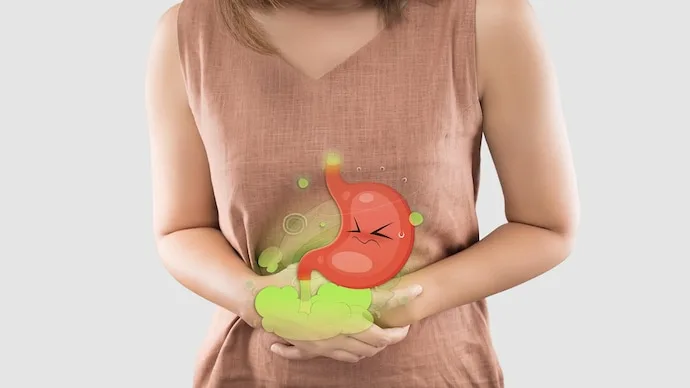

Bloating after every meal can cause abdominal discomfort, tightness and a feeling of excessive fullness, even after eating small portions. While occasional bloating is common, recurring symptoms may indicate an underlying digestive issue.
Dr Vikas Jindal, Consultant in the Department of Gastroenterology at CK Birla Hospital, Delhi, explains that persistent bloating may be associated with food intolerances, constipation, irritable bowel syndrome (IBS) and other digestive conditions.
Eating too quickly, swallowing excess air, drinking carbonated beverages and consuming gas-producing foods can also contribute to the problem.

Normal Fullness or Persistent Bloating?
Feeling full after eating is a normal part of digestion and usually improves over time. Bloating may cause the abdomen to feel swollen or uncomfortable, sometimes even after a small meal.
If symptoms continue for several weeks, interfere with daily activities or occur alongside abdominal pain, diarrhoea, constipation or unusually early fullness, consulting a gastroenterologist is advisable.
Can Food Intolerances Trigger Bloating?
Lactose intolerance, coeliac disease and sensitivity to fermentable carbohydrates known as FODMAPs can cause gas, bloating and abdominal discomfort.
Keeping a food and symptom diary may help identify potential triggers. Doctors may recommend specific tests or a supervised elimination diet, depending on the symptoms.
Importantly, people should not eliminate gluten before coeliac disease testing without medical advice, as doing so can affect test accuracy.
When Could Bloating Signal a Digestive Condition?
Recurring bloating may be associated with IBS, constipation, functional dyspepsia or small intestinal bacterial overgrowth (SIBO). These conditions can affect bowel movements, gut sensitivity and digestion.
Acid reflux may occur alongside bloating, although it is not always the direct cause. Medical evaluation can help determine whether an underlying condition is responsible.
Warning Signs You Should Not Ignore
Bloating accompanied by certain symptoms requires prompt medical assessment. These include:
- Unexplained weight loss
- Persistent abdominal pain
- Frequent vomiting
- Blood in the stool
- Significant changes in bowel habits
Seek emergency medical care if severe abdominal pain occurs with abdominal swelling, vomiting or an inability to pass stool or gas.
How to Reduce Bloating After Meals
Simple lifestyle changes may help manage symptoms:
- Eat slowly: Chew thoroughly and avoid rushing through meals.
- Limit carbonated drinks: These can increase gas.
- Try smaller meals: Large portions may worsen discomfort.
- Stay hydrated: Adequate fluids may help if constipation is contributing.
- Exercise regularly: Physical activity can support bowel regularity.
- Track food triggers: Maintain a food and symptom diary rather than eliminating several food groups unnecessarily.
When Should You Consult a Gastroenterologist?
If bloating occurs after most meals, lasts several weeks or affects everyday activities, seek medical advice, especially if other symptoms develop.
Depending on the suspected cause, investigations may include blood or stool tests, coeliac disease screening, hydrogen breath tests, abdominal imaging or endoscopy. Not everyone needs every test; the choice depends on symptoms and clinical assessment.
Persistent bloating does not have one universal cause or solution. Identifying the trigger and seeking timely medical advice can help manage symptoms while avoiding unnecessary dietary restrictions.
For general health information, visit the Ministry of Health and Family Welfare.








Conversation
Be kind and stay on topic. Comments are moderated; abuse, spam and personal attacks are removed. Report a problem