



Bangladesh cricket is staring at one of the most uncertain phases in its recent history as the country maintains its decision not to participate in the upcoming T20 World Cup scheduled to be held in India. The stance, driven by unresolved security concerns raised by the Bangladeshi government, has placed the national team and its administrators at the centre of a growing crisis with far-reaching consequences.
The tournament was already set to mark a transition period for Bangladesh, as it will be the first T20 World Cup without long-time talisman Shakib Al Hasan. However, the possibility of a complete withdrawal has amplified the uncertainty. With only weeks remaining before the event, the Bangladesh Cricket Board has aligned itself with the government’s position, leaving players with little influence over the final outcome.
For a team still chasing its maiden ICC title since gaining Test status in 2000, missing a global tournament could be deeply damaging. Participation in ICC events is considered essential for competitive growth, international exposure, and financial stability. A World Cup boycott would not merely represent the loss of one tournament but could disrupt Bangladesh’s long-term cricketing trajectory.

One of the most immediate concerns is financial. ICC tournaments generate significantly higher revenue through broadcast rights, sponsorships, and global viewership compared to bilateral series. The absence of Bangladesh from the T20 World Cup could result in substantial losses, with sponsors potentially reconsidering their commitments amid prolonged uncertainty. Revenue from ICC events forms a major component of the board’s annual income, making the risk even more severe.
Beyond finances, the decision could also impact Bangladesh’s standing within the International Cricket Council. Failure to participate may affect future qualification pathways, forcing the team into preliminary rounds for upcoming tournaments. As a lower-ranked side, this would significantly complicate Bangladesh’s route to future World Cups and potentially lower player rankings due to missed competitive opportunities.
There are also diplomatic and logistical implications. Bangladesh and India are scheduled to co-host the 2031 ODI World Cup, and the current standoff could cast doubt over future cooperation. Upcoming bilateral tours, including possible series in India, may also face uncertainty if relations remain strained.
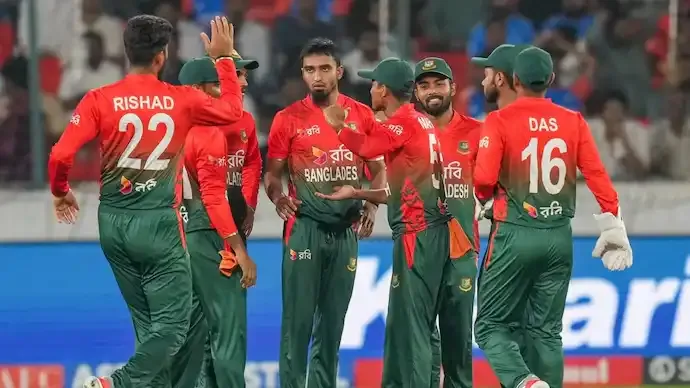
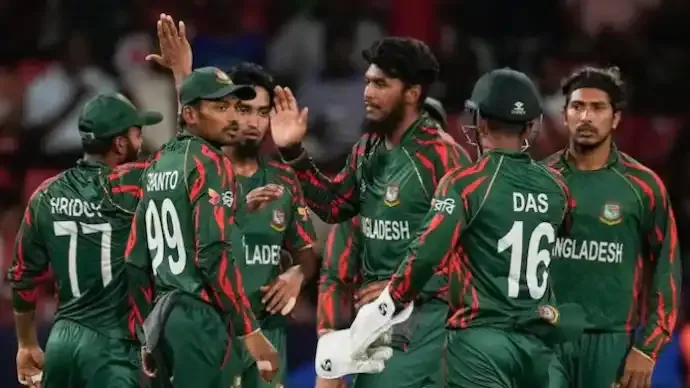
The players, however, are the most affected stakeholders. For several members of the current squad, the T20 World Cup represents a rare opportunity to compete on the sport’s biggest stage. Younger players, in particular, risk losing crucial exposure that could shape their careers. Unlike players from some other nations, many Bangladeshi cricketers do not have consistent access to overseas leagues, making ICC tournaments vital for development and visibility.
The situation has also reignited debate over the intersection of politics and sport. While cricket is often described as separate from political influence, the current crisis highlights how geopolitical tensions can directly shape sporting outcomes. Past precedents involving other nations withdrawing from tours due to security concerns have further fuelled questions of consistency and fairness in global cricket governance.
As the deadline approaches, the future of Bangladesh’s participation remains uncertain. What is clear, however, is that continued isolation could have lasting consequences—not just for the current team, but for the overall stability, reputation, and growth of cricket in Bangladesh.






Conversation
Be kind and stay on topic. Comments are moderated; abuse, spam and personal attacks are removed. Report a problem