

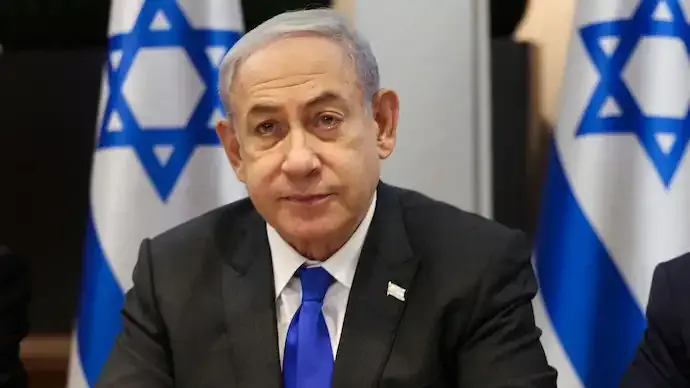

Israeli Prime Minister Benjamin Netanyahu has asserted that the ongoing US-Israeli military campaign against Iran will be “quick and decisive,” rejecting suggestions that the conflict could spiral into a prolonged war.
Speaking in a televised interview as the Middle East conflict entered its fourth day, Netanyahu described the strikes as a necessary step toward long-term peace rather than an open-ended military engagement.
“This is not an endless war, this is the gateway to peace,” Netanyahu said, adding that while operations may take some time, they would not stretch into years. He expressed confidence that the military campaign would achieve its objectives without turning into a drawn-out conflict.

Creating Conditions for Change in Iran
Netanyahu argued that the joint US-Israeli strikes had significantly weakened Iran’s leadership and military infrastructure. He said the operations were creating conditions that could enable political change within Iran, though he maintained that any such decision would ultimately lie with the Iranian people.
Describing Iran’s leadership as “unreformable,” Netanyahu claimed military action became unavoidable after Tehran allegedly resumed rebuilding its nuclear and ballistic missile programmes. According to him, if action had not been taken now, Iran’s facilities could have become immune to strikes within months.
Israel has consistently opposed Iran’s nuclear enrichment programme, asserting that it is aimed at weapons development. Tehran, however, has maintained that its nuclear activities are for peaceful civilian purposes.
Praise for US Leadership
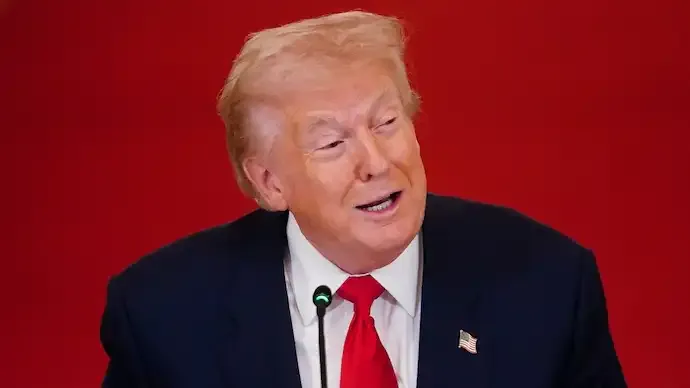
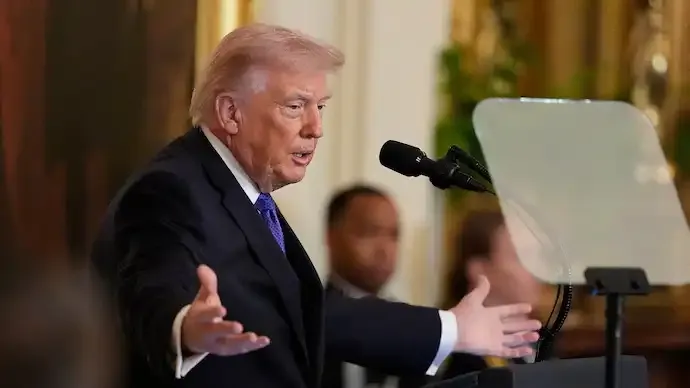
Netanyahu strongly defended US President Donald Trump, dismissing claims that Israel had drawn Washington into the war. He said the US administration made its own decisions based on American interests.
“There has never been a president like Donald J Trump,” Netanyahu said, adding that he understood the cost of war but believed it was sometimes necessary to counter existential threats.
US Defence Secretary Pete Hegseth also rejected comparisons between the current campaign and past US wars in the region, stating that this was not an occupation or nation-building effort.
Conflict Enters Fourth Day
The conflict began after joint US-Israeli strikes targeted Iranian leadership and military sites on February 28. Iran retaliated with missile and drone attacks on American and Israeli targets across the Gulf.
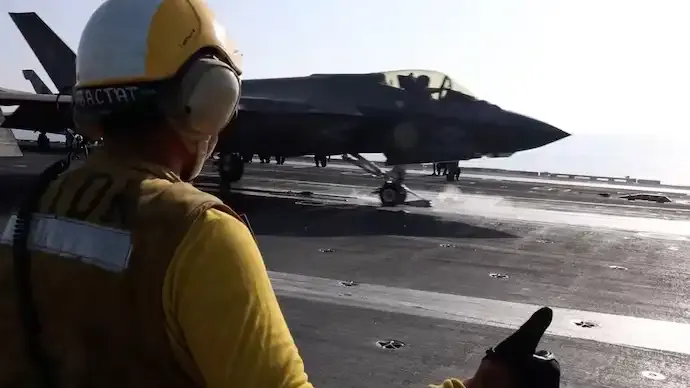
According to US officials, more than 1,200 targets in Iran have been struck so far, and several naval assets have been destroyed. Casualties have been reported on both sides, with civilian areas in parts of the region also affected.
The escalation has disrupted global aviation routes, strained energy markets and intensified concerns over shipping through the Strait of Hormuz — a key corridor for global oil trade.
As tensions remain high, world leaders continue to monitor developments closely amid calls for de-escalation and diplomatic engagement.





Conversation
Be kind and stay on topic. Comments are moderated; abuse, spam and personal attacks are removed. Report a problem