Shopping cart
Your cart empty!


Your cart empty!
Terms of use dolor sit amet consectetur, adipisicing elit. Recusandae provident ullam aperiam quo ad non corrupti sit vel quam repellat ipsa quod sed, repellendus adipisci, ducimus ea modi odio assumenda.
Lorem ipsum dolor sit amet consectetur adipisicing elit. Sequi, cum esse possimus officiis amet ea voluptatibus libero! Dolorum assumenda esse, deserunt ipsum ad iusto! Praesentium error nobis tenetur at, quis nostrum facere excepturi architecto totam.
Lorem ipsum dolor sit amet consectetur adipisicing elit. Inventore, soluta alias eaque modi ipsum sint iusto fugiat vero velit rerum.
Sequi, cum esse possimus officiis amet ea voluptatibus libero! Dolorum assumenda esse, deserunt ipsum ad iusto! Praesentium error nobis tenetur at, quis nostrum facere excepturi architecto totam.
Lorem ipsum dolor sit amet consectetur adipisicing elit. Inventore, soluta alias eaque modi ipsum sint iusto fugiat vero velit rerum.
Dolor sit amet consectetur adipisicing elit. Sequi, cum esse possimus officiis amet ea voluptatibus libero! Dolorum assumenda esse, deserunt ipsum ad iusto! Praesentium error nobis tenetur at, quis nostrum facere excepturi architecto totam.
Lorem ipsum dolor sit amet consectetur adipisicing elit. Inventore, soluta alias eaque modi ipsum sint iusto fugiat vero velit rerum.
Sit amet consectetur adipisicing elit. Sequi, cum esse possimus officiis amet ea voluptatibus libero! Dolorum assumenda esse, deserunt ipsum ad iusto! Praesentium error nobis tenetur at, quis nostrum facere excepturi architecto totam.
Lorem ipsum dolor sit amet consectetur adipisicing elit. Inventore, soluta alias eaque modi ipsum sint iusto fugiat vero velit rerum.
Do you agree to our terms? Sign up
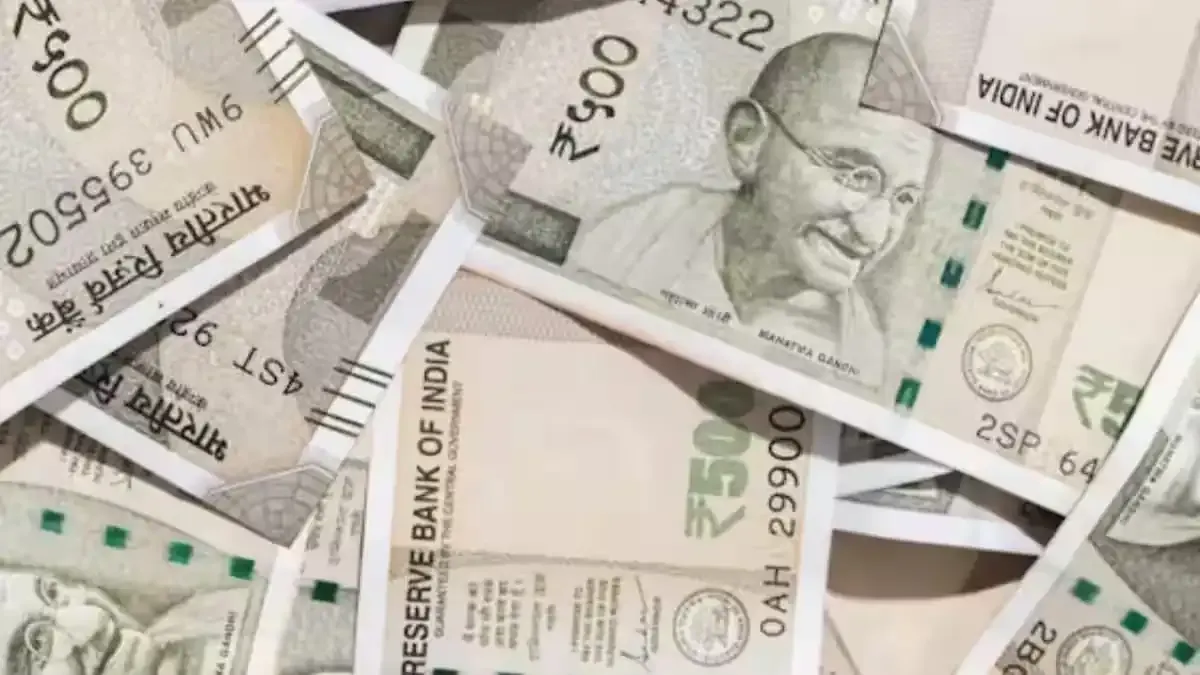
The Indian rupee slipped to a historic low, breaching the 91-per-dollar mark, as global uncertainty and renewed tariff threats from the United States weighed heavily on financial markets ahead of the Union Budget 2026. The sharp depreciation has intensified concerns over currency stability at a time when policymakers are preparing to present critical fiscal and reform measures in Parliament.
Market participants attributed the rupee’s fall to a combination of external and domestic pressures. Chief among them are escalating trade tensions with the United States following signals of fresh tariff action under US President Donald Trump. Reports indicate that Washington has imposed a 50 percent tariff on certain Indian exports, including an additional 25 percent levy linked to India’s continued purchase of Russian crude oil. The move has raised fears of prolonged trade friction between the two countries.
The currency decline comes amid broader volatility in global markets, with investors increasingly cautious over geopolitical risks, tightening financial conditions, and shifting trade alignments. As the rupee weakened, safe-haven assets such as gold and silver saw renewed buying interest, pushing precious metal prices higher in domestic markets.
Economists noted that while currency depreciation can sometimes support exports, the current slide reflects stress rather than competitiveness. A weaker rupee could increase import costs, fuel inflationary pressures, and complicate fiscal planning, particularly ahead of a budget expected to balance growth support with fiscal discipline.
The economic developments have added another layer of complexity to an already charged Budget 2026 session. The opposition has signalled an aggressive strategy in Parliament, planning to raise a series of contentious issues alongside economic concerns. Among the key flashpoints expected during the session are debates over the proposed G. Ramji law, the future of the rural employment scheme MGNREGA, and the implementation of new University Grants Commission norms for 2026, which have triggered discussions around caste representation and access to education.
Opposition parties are also expected to focus on foreign policy and governance issues, including India’s ties with China and allegations of misuse of central investigative agencies. With elections due in four states and Puducherry in the coming months, political messaging around the budget is likely to be closely intertwined with electoral calculations.
From the government’s perspective, the budget is being framed against a backdrop of evolving trade dynamics. While tensions with the United States have resurfaced, India has recently strengthened its trade posture through major free trade agreements, including a landmark deal with the European Union. Officials view these agreements as a means to diversify export markets and reduce overdependence on any single trading partner.
Market watchers say the rupee’s movement will remain sensitive to global cues, especially developments in US trade policy, crude oil prices, and capital flows. Any clarity on tariff negotiations or signs of de-escalation could offer temporary relief to the currency, while prolonged uncertainty may keep pressure intact.
As Finance Ministry officials finalise the Union Budget, investors and businesses are closely watching for signals on fiscal consolidation, capital expenditure, tax policy, and measures to support growth amid external headwinds. With the rupee at record lows and global trade tensions resurfacing, Budget 2026 is shaping up to be one of the most closely scrutinised fiscal announcements in recent years.
47
Published: Jan 28, 2026

All India Story is your trusted source for comprehensive and up-to-the-minute news coverage across India. Bringing you the latest on politics, business, technology, entertainment, sports, and more, we are dedicated to keeping you informed with accurate, engaging, and insightful stories from every corner of the nation.