As nationwide protests continue to shake Iran, chants of “Pahlavi will return” and “Javid Shah” are echoing across streets, rooftops and marketplaces, signalling a striking revival of monarchist sentiment unseen for decades. At the centre of this renewed political imagination stands Reza Pahlavi, the exiled son of Iran’s last Shah, who has emerged as the most recognisable opposition face amid growing anger against the rule of Ali Khamenei.
Reza Pahlavi was only 17 when he left Iran in 1978 to train as a fighter pilot in the United States. Within a year, the 1979 Islamic Revolution led by Ruhollah Khomeini dismantled the monarchy, forcing Shah Mohammad Reza Pahlavi and his family into exile. Reza has not set foot in Iran since. More than four decades later, however, Iran is once again witnessing unrest that goes far beyond economic grievances.
The current wave of protests, now stretching beyond 13 days, has been triggered by spiralling inflation, a collapsing currency and deep public frustration with the clerical establishment. Demonstrations have been reported in over 220 locations, including Tehran, Isfahan, Qom and Marvdasht. In a notable escalation, protesters have openly called for the end of the Islamic Republic, with slogans directly backing Pahlavi’s return.
Following Reza Pahlavi’s call for coordinated demonstrations earlier this week, Iranian authorities imposed a nationwide internet blackout, signalling growing anxiety within the regime. Protesters have torched vehicles and clashed with security forces, while rights groups report dozens killed and thousands arrested. International media reports have also claimed that senior Iranian officials are exploring exit options for their families, fuelling speculation about the regime’s stability.
From exile, Reza Pahlavi has openly endorsed the protests, urging security forces to side with citizens rather than what he calls an oppressive system. In televised interviews, he has said he is prepared to return to Iran “when conditions allow” and described himself as ready to help lead a transition away from clerical rule. Yet symbolism and reality remain far apart.
While Pahlavi enjoys strong support among the Iranian diaspora and visible backing in some urban protests, the depth of his support inside Iran is contested. Analysts caution that slogans do not necessarily equate to nationwide political consent. Some studies suggest roughly a third of Iranians may support him — a significant figure, but not a decisive majority in a deeply divided society.
A critical question also remains unresolved: even if the Khamenei regime collapses, can Pahlavi safely return? Iran’s power structure is not centred on one man alone. Institutions such as the Islamic Revolutionary Guard Corps and paramilitary forces remain deeply entrenched, raising doubts about whether any returning figure — monarchist or otherwise — could dismantle the system without triggering further instability.
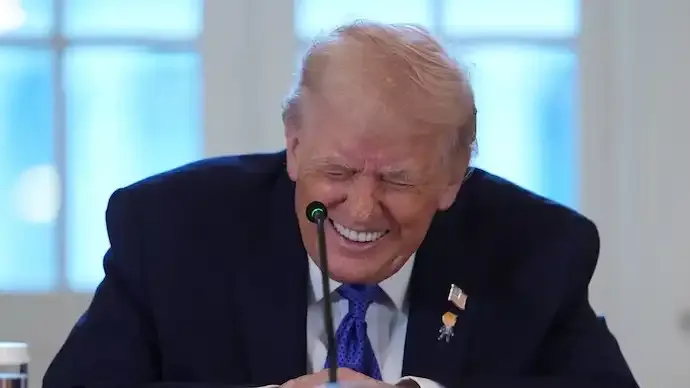
There is also the international dimension. Donald Trump has repeatedly warned Tehran and expressed support for Iranian protesters, but has stopped short of backing any successor. While he has described Pahlavi as “a nice man,” Trump has publicly stated that endorsing a particular leader would be inappropriate, suggesting Washington prefers to let events unfold internally.
For now, Reza Pahlavi appears to be positioning himself not as a returning monarch, but as a unifying national figure for a possible transition. Whether Iran’s future lies in restoring a crown, establishing a republic, or forging an entirely new political system remains uncertain. What is clear is that nostalgia alone will not decide Iran’s fate — only sustained internal change, defections within power structures, and a credible transition framework can determine whether Reza Pahlavi moves from symbol to political reality.
Prev Article
Operation Sindoor Exposed Pakistan’s Failures, Forced Constitutional Changes: Defence Chief
Next Article
Trump Declares Himself Acting President of Venezuela After Maduro Arrest