

Shopping cart
Your cart empty!
Terms of use dolor sit amet consectetur, adipisicing elit. Recusandae provident ullam aperiam quo ad non corrupti sit vel quam repellat ipsa quod sed, repellendus adipisci, ducimus ea modi odio assumenda.
Lorem ipsum dolor sit amet consectetur adipisicing elit. Sequi, cum esse possimus officiis amet ea voluptatibus libero! Dolorum assumenda esse, deserunt ipsum ad iusto! Praesentium error nobis tenetur at, quis nostrum facere excepturi architecto totam.
Lorem ipsum dolor sit amet consectetur adipisicing elit. Inventore, soluta alias eaque modi ipsum sint iusto fugiat vero velit rerum.
Sequi, cum esse possimus officiis amet ea voluptatibus libero! Dolorum assumenda esse, deserunt ipsum ad iusto! Praesentium error nobis tenetur at, quis nostrum facere excepturi architecto totam.
Lorem ipsum dolor sit amet consectetur adipisicing elit. Inventore, soluta alias eaque modi ipsum sint iusto fugiat vero velit rerum.

Dolor sit amet consectetur adipisicing elit. Sequi, cum esse possimus officiis amet ea voluptatibus libero! Dolorum assumenda esse, deserunt ipsum ad iusto! Praesentium error nobis tenetur at, quis nostrum facere excepturi architecto totam.
Lorem ipsum dolor sit amet consectetur adipisicing elit. Inventore, soluta alias eaque modi ipsum sint iusto fugiat vero velit rerum.
Sit amet consectetur adipisicing elit. Sequi, cum esse possimus officiis amet ea voluptatibus libero! Dolorum assumenda esse, deserunt ipsum ad iusto! Praesentium error nobis tenetur at, quis nostrum facere excepturi architecto totam.
Lorem ipsum dolor sit amet consectetur adipisicing elit. Inventore, soluta alias eaque modi ipsum sint iusto fugiat vero velit rerum.
Do you agree to our terms? Sign up
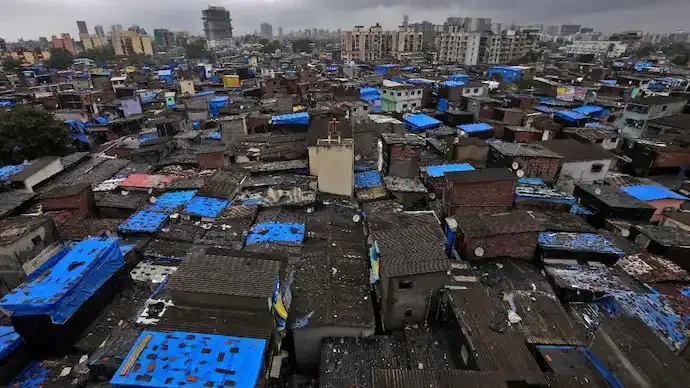
In the heart of Mumbai, inside the densely packed lanes of Dharavi, poverty is not just a social reality — it has become a curated experience. Foreign tourists are paying as much as Rs 15,000 per person for a two-hour guided walk through what is often described as Asia’s largest slum cluster.
Slum tourism in Dharavi is not new. Organised walking tours have existed for nearly two decades. However, the scale, pricing and structure of these tours have evolved significantly. Today, both local residents and private operators are conducting “gareebi darshan” walks, turning the locality into a revenue-generating experience for visitors seeking to witness the “real India.”
During these tours, foreign visitors are guided through narrow three-foot-wide lanes, recycling hubs, leather workshops and tightly packed residential areas. While Indian visitors typically pay between Rs 1,500 and Rs 7,000 for similar tours, foreign nationals are often charged nearly double or more.
For some local guides, this is a legitimate livelihood. Many argue that if their neighbourhood attracts global curiosity, they have the right to earn from it. Dharavi is home to a thriving informal economy estimated to be worth billions, including leather manufacturing, pottery units, recycling systems and small-scale factories. To supporters, these tours showcase resilience, migration stories, small industries and entrepreneurship — not just poverty.
However, critics say there is a thin line between awareness and commodification. Without context or sensitivity, such tours risk turning lived realities into spectacles. Concerns grow stronger when visitors photograph residents without consent or enter private spaces casually. Some neighbourhood clusters have reportedly restricted access after incidents of intrusive photography.
Structured tour operators claim they focus on education rather than voyeurism. They highlight Dharavi’s recycling model, decentralised waste economy, caste-based settlements and urban planning challenges. According to them, the purpose is to explain informal housing systems and economic networks, not simply display deprivation.
Yet the rise of unregulated local tours has changed the landscape. Anyone with basic English skills can position themselves as a guide. With five foreign tourists on a walk, a guide can earn Rs 75,000 in a single session — a figure that rivals monthly corporate salaries.
The debate becomes more complex as Dharavi faces large-scale redevelopment discussions. If urban restructuring alters its geography, the current ecosystem of slum tourism could also change. Young guides who depend on these tours may need alternative income sources.
For residents, reactions are mixed. Some see it as economic opportunity. Others feel uncomfortable being reduced to symbols of poverty. The reality of Dharavi lies somewhere in between — a space of struggle, industry, survival and aspiration.
As Mumbai continues to evolve, Dharavi’s slum tourism industry reflects a broader question: can poverty be interpreted responsibly, or does selling it inevitably cross ethical boundaries?
2
Published: Mar 02, 2026