
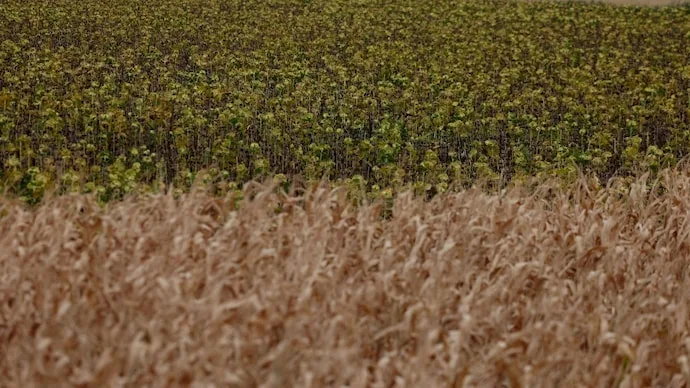
Europe grain losses have surged after an exceptionally hot and dry summer caused widespread damage to wheat, maize and barley crops. A new analysis by the Energy and Climate Intelligence Unit (ECIU) estimates that grain production fell by 16.7 million tonnes between June and September, with the losses valued at around €3.2 billion, or nearly Rs 34,700 crore.
The latest estimate is around 8 million tonnes higher than the projection made in July, highlighting how the impact of extreme weather intensified as the summer progressed. France suffered the largest estimated decline, losing around 5.8 million tonnes of grain worth approximately Rs 15,900 crore.
Hungary recorded an estimated loss of 3.1 million tonnes, valued at nearly Rs 7,800 crore. The UK lost around 3 million tonnes worth Rs 5,700 crore, while Germany’s estimated loss stood at 2.5 million tonnes, valued at around Rs 4,300 crore. Spain also recorded an estimated 1.2 million tonnes of lost production.
Extreme heat accelerates crop development
The European Commission’s Joint Research Centre said prolonged heat accelerated crop development, leaving plants with less time to properly develop grains and maize cobs. In severely affected areas, maize matured up to three weeks earlier than usual.
The damage has also spread beyond major grains. ECIU estimates soybean production fell by 15%, potato production by 7% and sugar beet production by 11%. Poor grass growth has further reduced feed availability for livestock farmers.
Farmers face wider agricultural losses
The effects have been particularly visible in France, where one farmer reported a 25% reduction in winter-sown crop yields. Sunflower yields also fell sharply compared with normal production levels.
The ECIU said Europe is warming around twice as fast as the global average and warned that repeated heatwaves and drought could increase agricultural losses. It has called for greater investment in soil health and regenerative farming practices to make farms more resilient.
The latest figures show how extreme weather is no longer just a seasonal inconvenience for farmers. When crops mature too early and water disappears too quickly, the damage eventually moves from fields to food markets and farm incomes.




Conversation
Be kind and stay on topic. Comments are moderated; abuse, spam and personal attacks are removed. Report a problem