

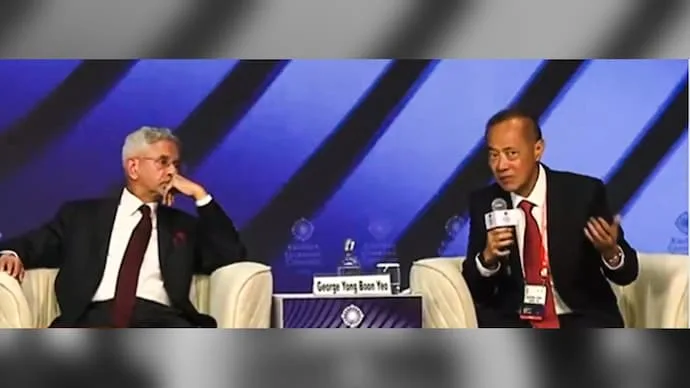

The idea that foreigners feel more at home in India than China was discussed by former Singapore foreign minister George Yeo, who highlighted India’s diversity, geography and centuries of cultural exchange. Speaking alongside External Affairs Minister S Jaishankar at the 5th Kautilya Economic Conclave in New Delhi, Yeo said India’s long interaction with different cultures has created a distinctive openness towards the outside world.
Yeo contrasted the experience with China, arguing that India’s diverse social and cultural landscape can offer foreigners familiar spaces and communities.
India’s Diversity and Indian Ocean Connections
Yeo said India’s geographical position and historical links across the Indian Ocean had played an important role in shaping the country.

He described India as a reflection of the diversity found around the Indian Ocean, where people, cultures, spices and ideas have moved across regions for centuries.
According to Yeo, this history can make it easier for foreigners to find what he described as “niches” and “comfort zones” in India. He suggested that the experience could be different in China, where foreigners may find it harder to navigate what he characterised as a more homogeneous environment.
His argument went beyond tourism and cultural familiarity, suggesting that India’s ability to accommodate different interests could also contribute to its position in the emerging global order.
India’s Diversity as a Strategic Advantage
Yeo also pointed to India’s relationships with different major powers and its expanding economic footprint.
He suggested that countries around the world have reasons to want India to succeed, given its strategic importance and large domestic market. In his view, India’s scale, diversity and engagement with the outside world could become advantages as geopolitical dynamics continue to shift.
Jaishankar Calls Current Period an “Age of Flux”
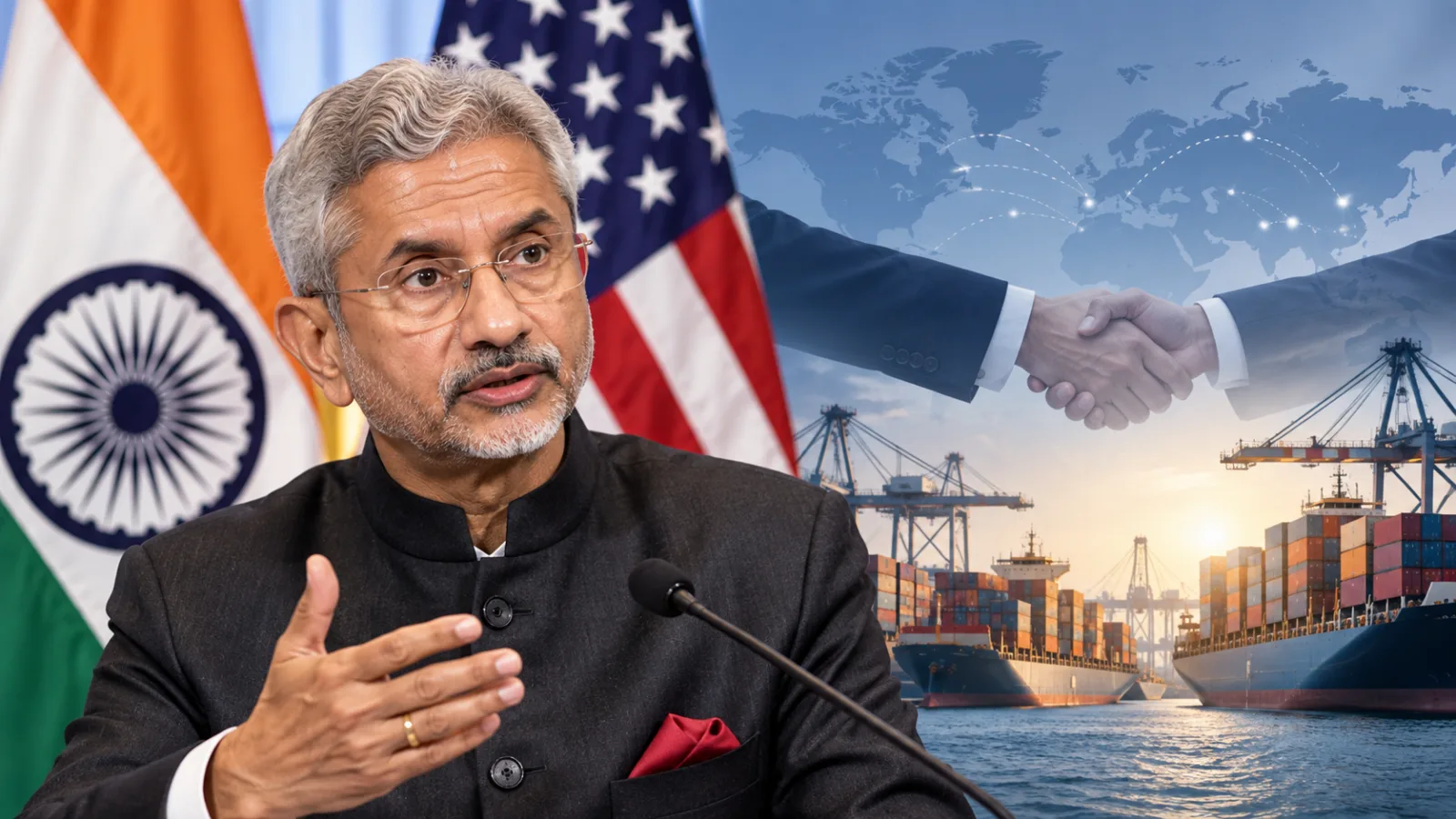
Jaishankar described the current global environment as an “age of flux”, marked by conflicts, geopolitical tensions, tariff uncertainty and pressure involving energy, food and fertilisers.
He said these “choppy waters” required India to account for uncertainty while planning its response to global developments.
Jaishankar also highlighted India’s role in representing the concerns of the Global South, saying expectations were growing for India to articulate those concerns on the world stage.
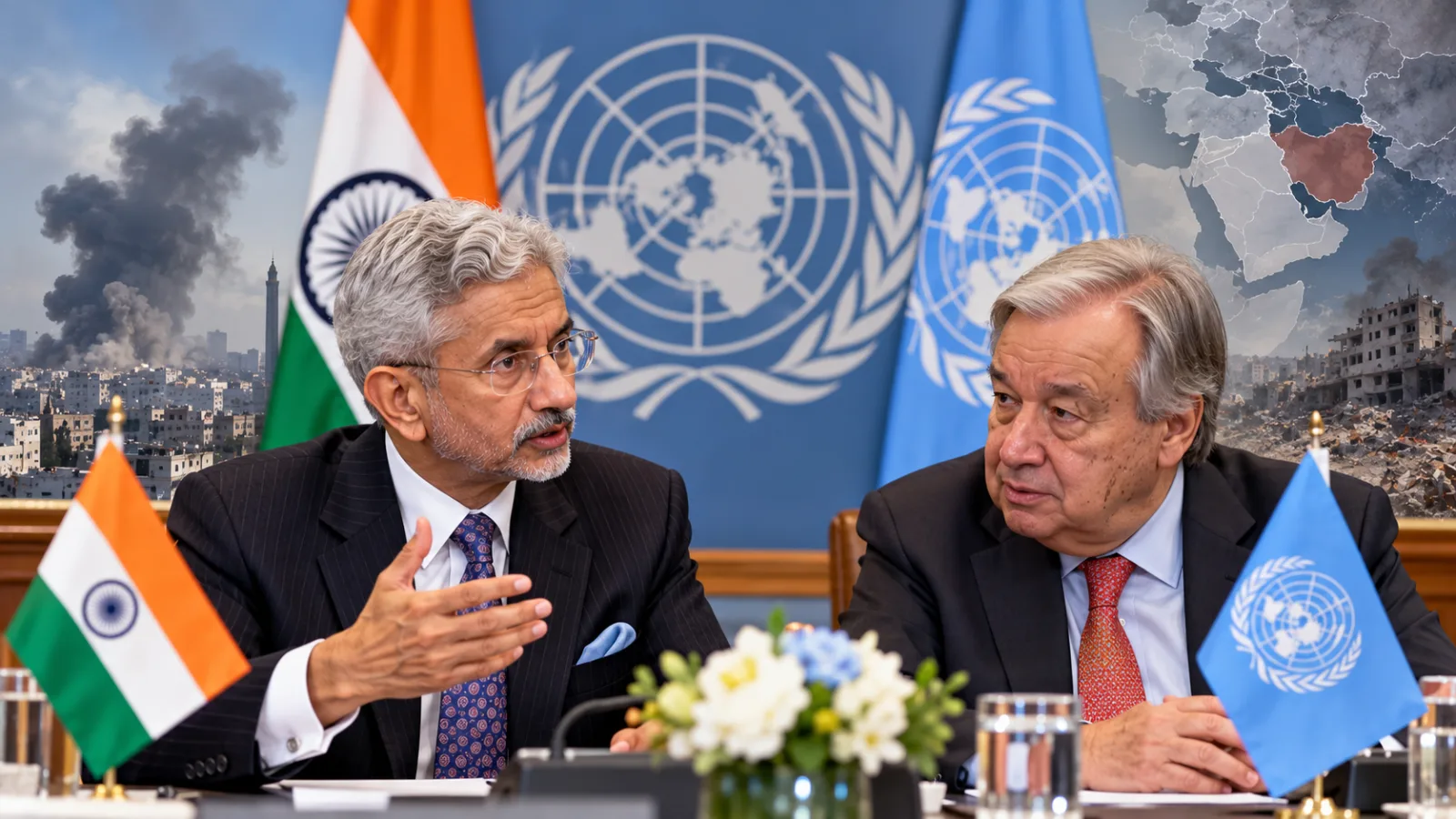
On the Russia-Ukraine conflict, he reiterated India’s position that dialogue and diplomacy should remain the way forward. He also described the United Nations as “gridlocked” and called attention to the need for reforms to multilateral institutions as the global order undergoes significant changes.
Relevant Link: Ministry of External Affairs, Government of India





Conversation
Be kind and stay on topic. Comments are moderated; abuse, spam and personal attacks are removed. Report a problem