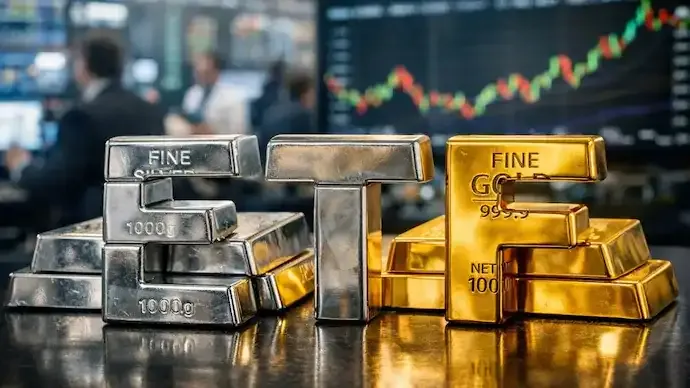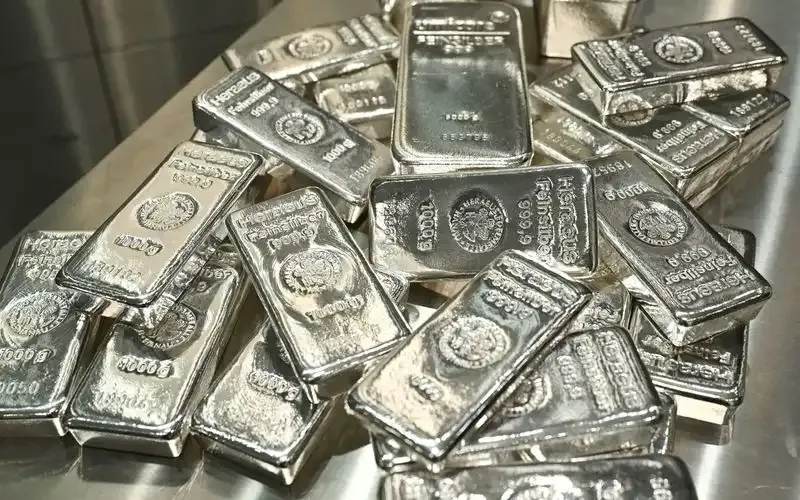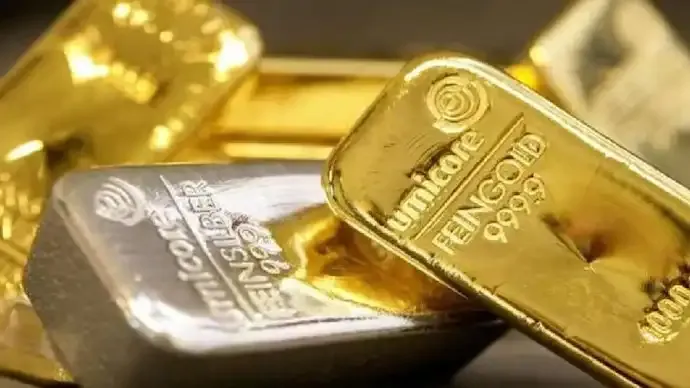
The gold silver crash has surprised investors as both precious metals recorded a sharp fall despite ongoing geopolitical tensions in West Asia.
As of 10:26 AM on MCX, gold futures were trading at Rs 1,37,307, down Rs 7,185 or 4.97%. Silver futures dropped even more sharply to Rs 2,13,600, falling Rs 13,172 or 5.81%.
This decline comes after a strong rally in recent months when investors rushed to safe-haven assets amid rising global uncertainty and surging crude oil prices.
Profit Booking After Strong Rally
One of the primary reasons behind the gold silver crash is profit booking by investors.
During the early phase of the conflict, gold and silver prices surged significantly as demand increased. This pushed prices to elevated levels, leading to heavy buying and even supply shortages in some markets.
Now, investors are locking in profits after the sharp rise, resulting in a sudden correction in prices.
Interest Rate Expectations Shift Market Sentiment
Another major factor driving the fall is the change in global interest rate expectations.
With crude oil prices remaining high, inflation concerns have intensified. This has reduced the likelihood of interest rate cuts and instead increased expectations of possible rate hikes.
Higher interest rates typically reduce the appeal of gold and silver because:
- They do not offer fixed returns
- Investors shift towards interest-bearing assets like bonds
This shift in sentiment has significantly impacted demand for precious metals.
Global Market Trends Add Pressure
Global indicators also reflect the ongoing gold silver crash. International gold prices have declined sharply, falling to lower levels after consecutive sessions of losses.
Gold has recorded a consistent decline over several sessions and has dropped significantly within a short period. Silver, being more volatile, has experienced an even steeper fall.
Market experts suggest that liquidity pressures are also playing a role. Investors are selling gold to cover losses in other asset classes, particularly equities.
Risk-Off Environment Impacting All Assets
The current global financial environment is marked by extreme uncertainty, affecting all asset classes.
Despite being considered safe-haven assets, gold and silver are not immune to large-scale sell-offs. When markets face high volatility, investors often liquidate positions across assets to manage risks and maintain liquidity.
This explains why even traditionally stable investments like gold are witnessing sharp corrections.
What This Means for Investors
The ongoing gold silver crash does not necessarily indicate a long-term decline.
Experts believe this is a correction following a strong rally rather than a structural shift in the market.
For investors, the current situation suggests:
- Avoid panic selling
- Focus on long-term trends
- Monitor global interest rate movements and geopolitical developments
Precious metals typically regain strength during prolonged uncertainty, but short-term fluctuations are common during volatile market conditions.
Changing Dynamics of Safe-Haven Assets
This phase highlights how market dynamics are evolving. While gold and silver continue to hold their status as safe-haven assets, their performance is now more closely linked to global liquidity, interest rates, and investor behaviour.
In simple terms, the fall is not due to reduced importance of these assets but due to earlier price surges and shifting financial conditions.