

Gwadar, a strategic coastal town in Pakistan’s Balochistan province, has once again become a focal point of global attention amid rising unrest and shifting geopolitical dynamics. Today, the port stands as a major symbol of China’s growing presence in South Asia, but decades ago it was reportedly offered to India — a decision that could have reshaped the region’s strategic landscape.
Recent developments in Balochistan, including militant attacks and military operations, have intensified debates over control, sovereignty, and foreign influence in the province. Many local groups argue that Gwadar’s development primarily serves external interests rather than benefiting the people of Balochistan, highlighting the complex intersection of regional politics and global economic ambitions.
From Quiet Fishing Settlement to Strategic Hub
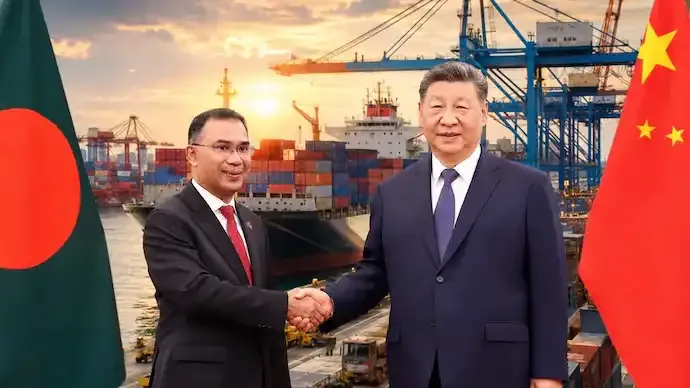
For centuries, Gwadar was a modest fishing town along the Arabian Sea, largely isolated from major political developments. Its transformation began after Pakistan positioned the port as a cornerstone of its economic vision. The turning point came when operations were handed over to a Chinese state-linked company under a long-term lease, placing Gwadar at the heart of the China–Pakistan Economic Corridor (CPEC).
The arrangement granted extensive operational control to the Chinese operator, including management of infrastructure and revenue systems. Reports suggesting that a majority share of port revenue flows to the operator have fuelled criticism and local resentment. Many residents claim that despite large-scale development projects, employment opportunities and economic benefits remain limited for the indigenous population.
Local Discontent and Security Concerns
Gwadar’s strategic importance has also brought security challenges. Baloch nationalist groups have long voiced grievances over resource control, land acquisition, and environmental changes. With the expansion of port infrastructure and increased Chinese involvement, tensions have intensified.
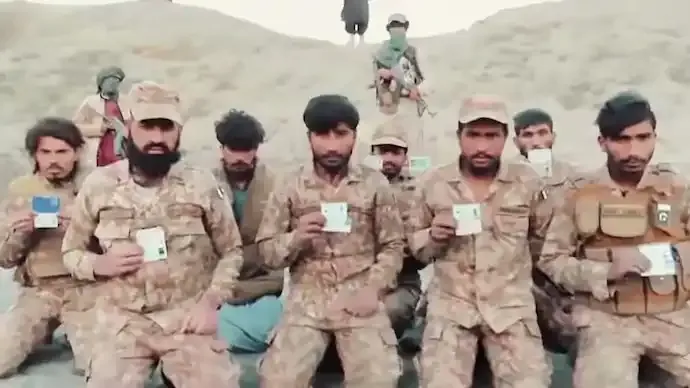
Insurgent attacks targeting infrastructure linked to foreign investments have underscored the volatile environment surrounding the port. Critics argue that heavy security deployments and restricted access have deepened feelings of alienation among local communities, turning Gwadar into both a symbol of development and a flashpoint for unrest.
A Unique Historical Journey
Gwadar’s political history sets it apart from much of Balochistan. Unlike neighbouring regions that became part of Pakistan soon after independence, Gwadar remained under the Sultanate of Oman for nearly two centuries. The territory had been granted to the Sultan by regional rulers in the 18th century, maintaining its distinct status well into the mid-20th century.
In the late 1950s, Pakistan pursued negotiations to acquire the port, recognising its strategic value along vital maritime routes. After diplomatic discussions and financial arrangements, Gwadar was formally transferred to Pakistan in 1958, marking a significant expansion of the country’s coastal footprint.
The Offer That Could Have Changed Regional Dynamics
One of the most intriguing aspects of Gwadar’s history is the claim that the port was once offered to India by the Sultan of Oman during the 1950s. Historical accounts suggest that Indian leadership declined the proposal at the time, a decision that continues to fuel debate among geopolitical analysts.
Had the offer been accepted, India might have secured a strategic position near the Strait of Hormuz, potentially altering naval strategy, trade routes, and regional alliances. Instead, the port eventually became part of Pakistan’s territory and, decades later, a central pillar of China’s expanding maritime influence.
Why Gwadar Matters Today
Gwadar’s location near one of the world’s most crucial oil shipping lanes makes it a highly valuable asset. For China, the port offers a gateway to the Arabian Sea and an alternative trade route that could reduce reliance on longer maritime passages. For Pakistan, it represents both an economic opportunity and a geopolitical balancing act.
As tensions continue to simmer in Balochistan, Gwadar remains a powerful example of how historical decisions shape modern strategic realities. The port’s journey — from Omani rule to Pakistani ownership and Chinese operational control — reflects broader shifts in power, highlighting the lasting impact of choices made decades ago on today’s geopolitical map.


Conversation
Be kind and stay on topic. Comments are moderated; abuse, spam and personal attacks are removed. Report a problem