
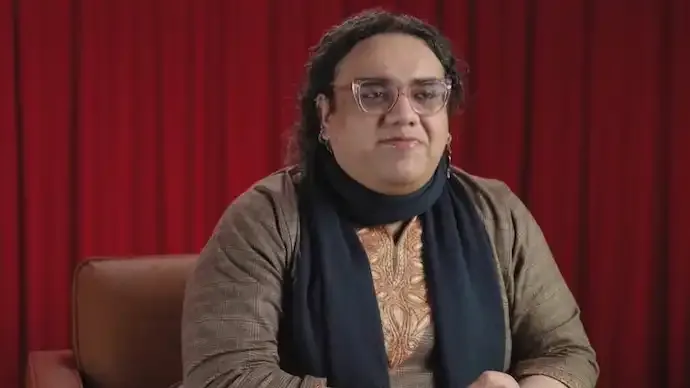
A viral video featuring Pakistani transgender activist Hina Baloch has sparked intense discussion across social media and public forums. In the video, Baloch makes a controversial claim about sexuality in Pakistan, describing it as an “open secret” shaped by social and cultural pressures.
Her remarks have quickly gained attention, leading to debates not only within Pakistan but also internationally, as conversations around identity, acceptance, and societal norms continue to evolve.
Claim Highlights Hidden Sexual Identities in Society
During an interview on a digital platform, Hina Baloch suggested that a large portion of Pakistani society suppresses their true sexual identity due to societal expectations. She argued that many individuals do not openly express their orientation because of fear of backlash, family pressure, and religious sensitivities.
According to her perspective, sexuality in Pakistan is often concealed, creating a disconnect between public behavior and private identity. Her statement, though controversial, has drawn attention to the complexities surrounding LGBTQ discussions in conservative societies.
Role of Social and Religious Pressures
Baloch emphasized that strong social norms and religious beliefs play a major role in shaping how individuals express themselves in Pakistan. In many cases, people may feel compelled to conform to traditional expectations, even if it does not reflect their personal identity.
This environment, she suggested, leads to a lack of open dialogue about sexuality and creates challenges for those seeking acceptance. Her comments have reignited conversations about the need for awareness and safe spaces for expression.
Mixed Reactions Across Social Media
The viral video has received mixed reactions online. While some users supported the broader message about hidden identities and societal pressure, others criticized the sweeping nature of her claims, calling them exaggerated or unverified.
Experts and commentators have pointed out that such statements should be viewed carefully, as they may not be based on empirical data. However, they also acknowledge that the discussion has brought attention to important issues related to identity and mental well-being.
LGBTQ Discourse in South Asia
The incident highlights the broader challenges faced by LGBTQ communities in South Asia, where legal, social, and cultural barriers continue to influence public discourse. While awareness has increased in recent years, acceptance remains uneven across different regions.
Activists argue that open conversations, education, and policy reforms are essential to create more inclusive societies. At the same time, they stress the importance of responsible dialogue that is grounded in facts and sensitivity.
A Conversation Beyond the Viral Claim
Beyond the controversy, the viral video has opened up a larger conversation about identity, freedom of expression, and societal expectations. It underscores the need for balanced discussions that consider both cultural contexts and individual rights.
As the debate continues, the focus remains on understanding the realities faced by individuals while promoting respectful and informed dialogue on sensitive issues.


Conversation
Be kind and stay on topic. Comments are moderated; abuse, spam and personal attacks are removed. Report a problem