

New Charges Raise Global Concerns
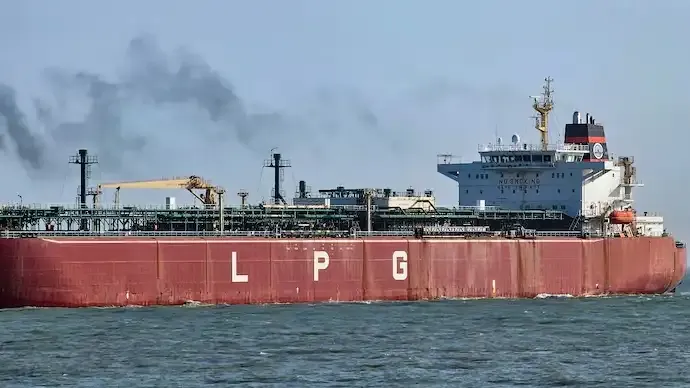
A fresh development in the ongoing Middle East conflict has raised serious concerns for global trade and energy markets. Reports suggest that Iran is charging merchant vessels up to $2 million for safe passage through the Strait of Hormuz.
The move, if confirmed, could significantly impact international shipping and fuel supply chains.
Strategic Importance of the Strait
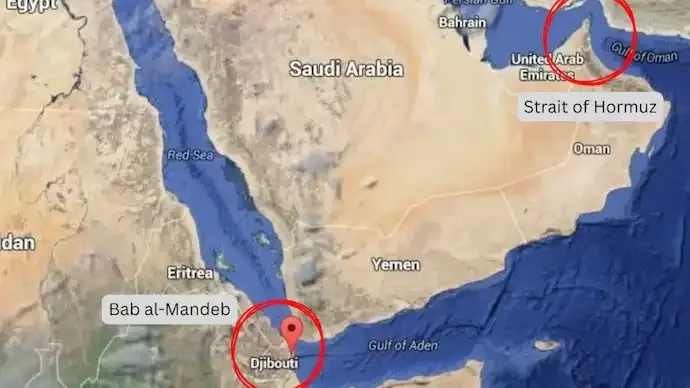
The Strait of Hormuz is one of the most critical maritime routes in the world, handling nearly 20 percent of global oil and liquefied natural gas (LNG) shipments.
Any disruption or added cost in this narrow waterway can have immediate consequences on global energy prices and supply stability.
Claim by Iranian Lawmaker
The report is based on statements attributed to Alaeddin Boroujerdi, a member of Iran’s parliamentary national security committee.
He reportedly described the move as an assertion of Iran’s authority over the strategic route, amid ongoing hostilities with the United States and Israel.
Shipping Lane Under Pressure
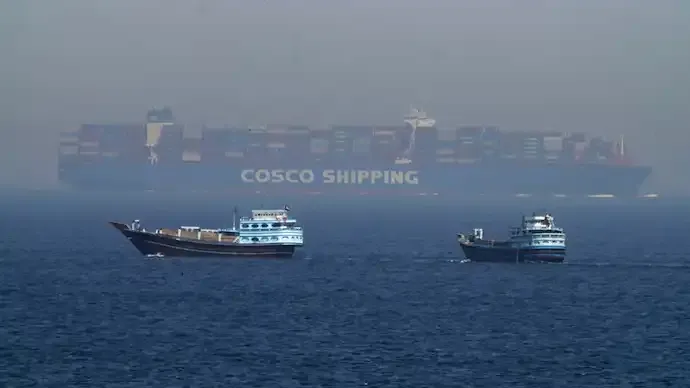
The Strait has remained largely disrupted since early March due to escalating conflict in the region. Many vessels have either delayed transit or anchored nearby, waiting for safer conditions.
The introduction of passage fees could further complicate navigation decisions for shipping companies.
Impact on Global Energy Markets
Charging such high fees could lead to increased transportation costs, which may ultimately be passed on to consumers. This could result in higher fuel prices and inflationary pressure across economies.
Energy-dependent countries are likely to feel the impact more strongly.
Concerns Among Shipping Companies
Shipping operators may face difficult choices between paying the fee, delaying shipments, or seeking alternative routes. Each option carries financial and logistical challenges.
Insurance costs and risk premiums are also expected to rise in such volatile conditions.
Geopolitical Implications
The reported move highlights the growing complexity of the conflict and its global implications. Control over key trade routes often becomes a strategic tool during geopolitical tensions.
Such actions could further escalate tensions and invite international responses.
Uncertainty Over Verification
While the claim has gained attention, official confirmation and independent verification remain crucial. Situations in conflict zones often involve multiple narratives, making it important to rely on verified information.
Authorities and global agencies are expected to monitor the situation closely.
Global Markets on Edge
With energy supply chains already under strain, developments in the Strait of Hormuz are being closely watched by governments and industries worldwide.
Any prolonged disruption or additional costs could have lasting effects on global trade and economic stability.

Conversation
Be kind and stay on topic. Comments are moderated; abuse, spam and personal attacks are removed. Report a problem