

Indian technology professionals in the United States are increasingly being viewed through a lens of suspicion that echoes America’s Cold War–era paranoia toward communists, with political rhetoric, visa restrictions and online hostility reshaping their place in the country they helped build.
For decades, Indian engineers, coders and entrepreneurs have been central to the rise of Silicon Valley, leading innovation at global technology firms and filling critical skill gaps through the H-1B visa programme. Today, however, they are emerging as a new political scapegoat in an atmosphere charged by immigration anxiety and nationalist politics.
From Cold War fear to modern-day suspicion
In the 1950s and 1960s, the US was gripped by an intense fear of communism, with suspicion so deep that even spouses were encouraged to spy on one another. Analysts say a similar paranoia is now being projected onto Indian tech workers, despite their vastly different economic and social profile.
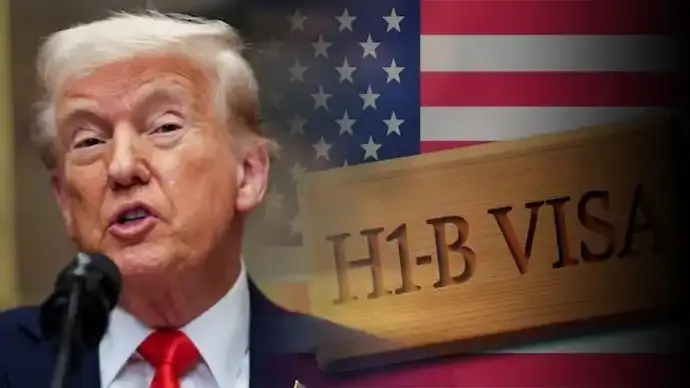
Indian professionals are often portrayed by far-right voices as “job stealers” or “cheap labour”, even though they dominate high-skill, high-pay sectors and contribute significantly to US innovation and tax revenues. The rhetoric has intensified under the political climate shaped by Donald Trump and the MAGA movement, where immigration has become a flashpoint issue.
H-1B scrutiny and policy uncertainty
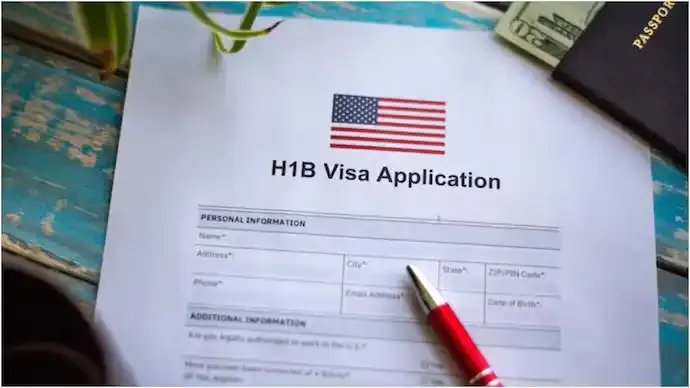
The sharpest pressure point remains the H-1B visa system. Proposed measures such as steep fee hikes, wage-weighted selection and stricter vetting have fuelled uncertainty among Indian professionals, many of whom say their future in the US now depends more on political shifts than professional merit.
Tech workers told India Today Digital that the narrative around H-1B visas oversimplifies labour market realities. While the US economy has shown strong growth in recent quarters, job insecurity and a cooling labour market have amplified fears, making immigrants an easy target for blame.
Racism spills beyond visas
The hostility has moved beyond policy debates into overt racial targeting. Indian Americans — including US-born citizens — have increasingly faced online abuse, with festivals like Diwali becoming flashpoints for xenophobic attacks. Even prominent Indian-origin public figures have been told to “go back home”, highlighting how ethnicity, rather than immigration status, has become the focal point.
Researchers tracking online extremism report a surge in anti-Indian hate content framing Indians as “invaders” and “job thieves”, much of it centred on the tech workforce.
Psychological toll and long-term impact
For many Indian techies, the impact is deeply personal. While daily life may remain unchanged on the surface, professionals describe a persistent anxiety about policy reversals, social acceptance and long-term stability.
Activists warn that continued hostility could push companies to offshore more tech jobs to India, ironically accelerating the very outcome critics claim to oppose. More broadly, the climate risks eroding America’s reputation as a destination where talent is rewarded irrespective of origin.
As Cold War fears of communism faded with time, observers argue that today’s narrative around Indian tech workers is similarly rooted in misplaced anxiety — one that overlooks their role in shaping modern America’s technological and economic power.


Conversation
Be kind and stay on topic. Comments are moderated; abuse, spam and personal attacks are removed. Report a problem