


The International Monetary Fund has issued a strong warning about the future of the global economy, stating that escalating conflict in West Asia could significantly disrupt growth. According to its latest World Economic Outlook, the ongoing geopolitical tensions are creating serious risks for economic stability worldwide.
The conflict, which intensified in late February, is already impacting commodity markets, financial conditions, and inflation trends. The IMF has described the situation as a major threat that could push the global economy off its current recovery path.
Energy Crisis Could Trigger Sharp Growth Slowdown
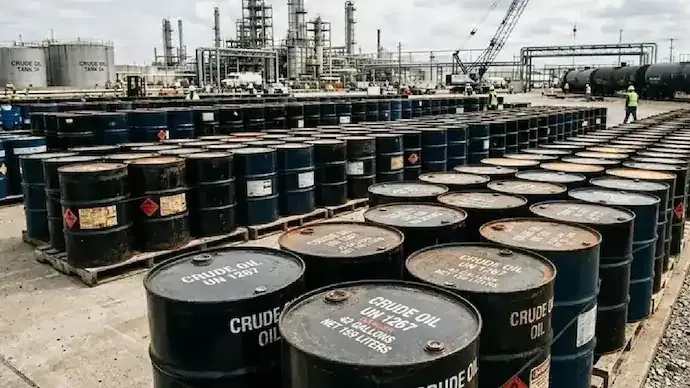
A key concern highlighted by the IMF is the potential for a prolonged energy crisis. Rising oil and gas prices, driven by supply disruptions, could severely affect both developed and emerging economies.

In a worst-case scenario, global growth could fall close to 2%, a level often associated with near-recession conditions. Even under a less severe but still adverse scenario, global growth is projected to slow to 2.5% in 2026, reflecting the deep impact of sustained energy price increases.
Inflation Pressures Remain Elevated
Alongside slower growth, inflation continues to remain a major concern. The IMF estimates that global inflation could rise to around 5.4%, driven largely by higher energy costs and supply chain disruptions.
Persistent inflation could reduce consumer spending power, increase borrowing costs, and limit the ability of central banks to support economic growth.
Emerging Markets Face Higher Risks
The impact of the energy crisis is expected to be more severe for emerging markets and developing economies. These countries often rely heavily on energy imports and have limited fiscal space to absorb price shocks.
As a result, they may experience:
- Higher inflation and cost of living
- Currency volatility
- Slower investment and economic activity
This could widen the gap between advanced and developing economies.
India’s Growth Outlook Remains Relatively Stable
Despite global uncertainties, India is expected to maintain a relatively strong growth trajectory. The IMF has projected India’s economy to grow at around 6.5%, supported by domestic demand, infrastructure spending, and policy stability.
However, external risks such as rising energy prices and global financial tightening could still pose challenges in the coming months.
Why This Warning Matters
The IMF’s latest outlook highlights how geopolitical conflicts can quickly translate into economic disruptions. Energy markets remain highly sensitive to global tensions, and any prolonged instability could have far-reaching consequences.
For policymakers, businesses, and investors, this signals the need for cautious planning and strategies to manage volatility in an uncertain global environment.





Conversation
Be kind and stay on topic. Comments are moderated; abuse, spam and personal attacks are removed. Report a problem