



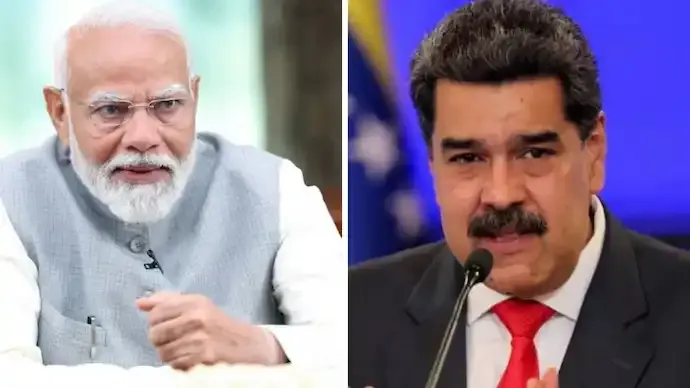
India has expressed deep concern over the rapidly evolving situation in Venezuela following the capture of then-President Nicolas Maduro and his wife by United States forces, with External Affairs Minister S Jaishankar urging all stakeholders to pursue a peaceful and dialogue-based resolution that safeguards the interests of the Venezuelan people.
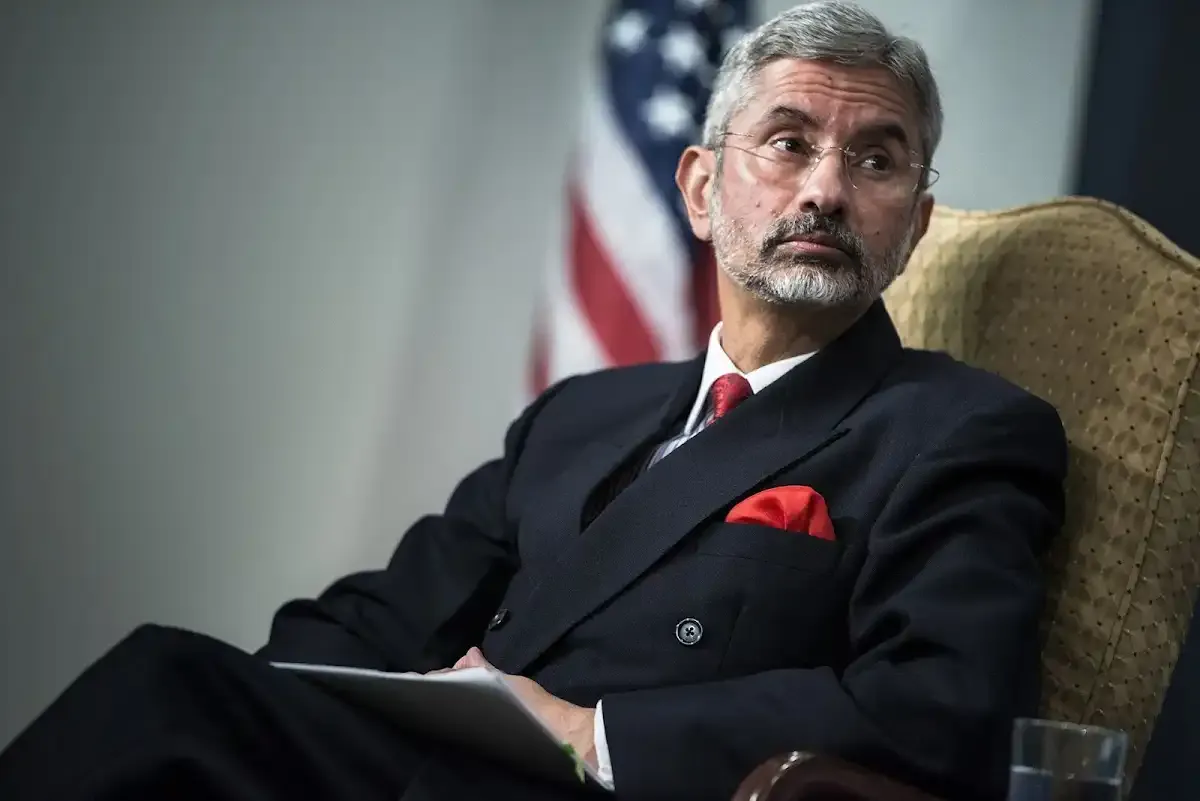
Speaking during an official engagement in Luxembourg, Jaishankar said New Delhi was closely monitoring developments in the South American nation and reiterated India’s longstanding diplomatic ties with Venezuela. He emphasised that India’s primary concern remains the safety, stability and well-being of ordinary Venezuelans amid escalating geopolitical tensions.
Jaishankar referred to a formal statement issued earlier by the government, noting that India has consistently supported peaceful engagement and dialogue as the preferred path forward. He underlined that any future course of action should prioritise humanitarian considerations and regional stability rather than further escalation.

India, he said, has maintained cordial relations with Venezuela for several decades and hopes that the country emerges from the current crisis without long-term harm to its people or institutions. He added that India would like to see outcomes that ensure security, economic stability and dignity for Venezuelans, regardless of how political developments unfold.
Earlier, the Ministry of External Affairs said it was “deeply concerned” by the unfolding events and confirmed that Indian authorities were in constant touch with the Indian community in Venezuela through the embassy in Caracas. The government also issued a travel advisory urging Indian nationals to avoid non-essential travel to Venezuela and advised those already present in the country to exercise extreme caution and restrict movement.
The situation in Venezuela escalated dramatically after US forces conducted a late-night operation in Caracas on January 3, resulting in the detention of Nicolas Maduro and his wife, Cilia Flores. The operation followed years of accusations by Washington alleging Maduro’s involvement in international drug trafficking and narco-terrorism.
Maduro and Flores were subsequently transported to the United States, where they were produced before a federal court in New York. Both pleaded not guilty to the charges. Maduro described his detention as a “kidnapping” and asserted that he remains Venezuela’s legitimate leader, calling himself a prisoner of war. Flores also denied all allegations.
US prosecutors have accused Maduro of coordinating cocaine trafficking networks with international criminal groups and using state mechanisms to facilitate drug operations. The former leader has consistently rejected these allegations, claiming they are politically motivated and linked to broader geopolitical interests, including control over Venezuela’s vast oil resources.
India has avoided taking sides in the dispute, instead reiterating its support for international law, sovereignty and peaceful resolution of conflicts. Officials stressed that dialogue, restraint and humanitarian considerations must remain central as the situation continues to develop.
As tensions remain high, New Delhi’s position reflects its broader diplomatic approach of balancing strategic interests with a consistent emphasis on stability, non-intervention and the protection of civilians in conflict-affected regions.




Conversation
Be kind and stay on topic. Comments are moderated; abuse, spam and personal attacks are removed. Report a problem