

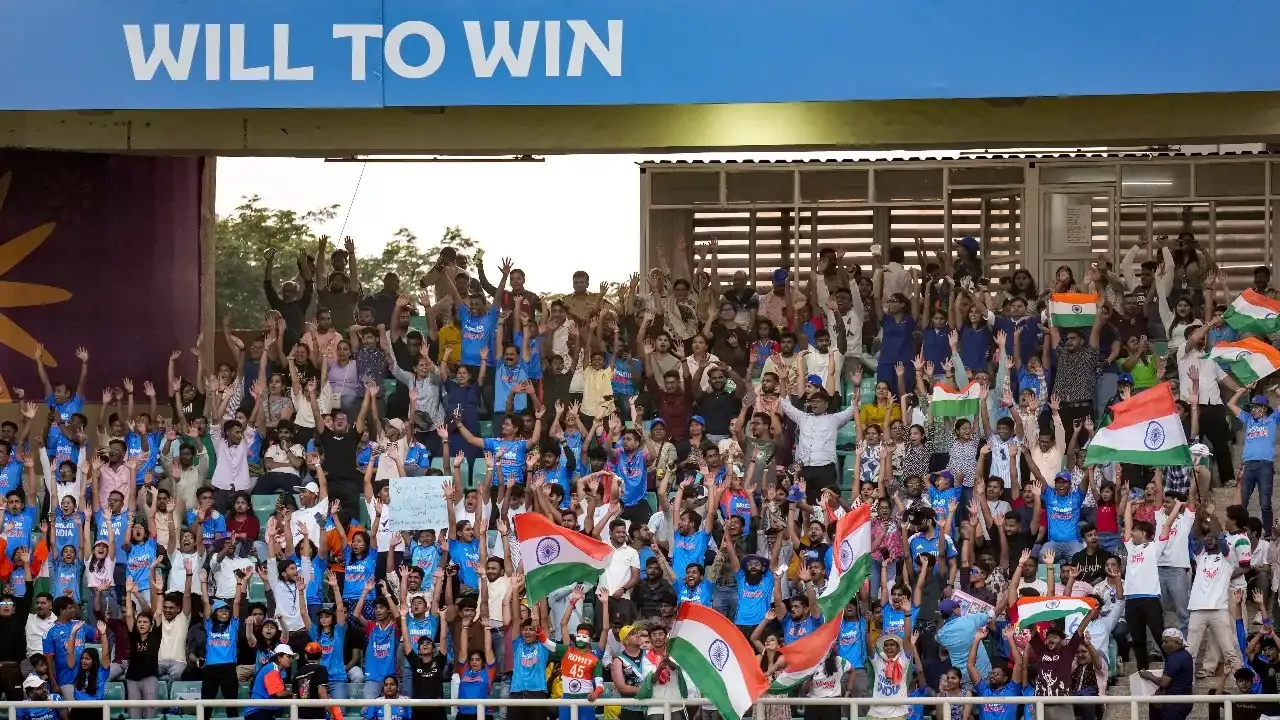
Watching live sport is meant to be a celebration — a shared, unforgettable experience that connects fans to the game they love. In India, however, attending a cricket match too often turns into an exhausting test of patience, endurance and dignity. This disconnect is especially glaring given that Indian cricket is governed by the world’s richest cricket board, the Board of Control for Cricket in India.
While Indian cricket continues to scale new heights on the field and on balance sheets, the experience of the paying spectator inside stadiums remains deeply flawed. Fans who spend significant sums to watch their heroes live routinely face overcrowding, poor facilities, arbitrary rules and a culture of control that treats spectators as a problem to be managed rather than stakeholders to be respected.

Success everywhere, except in the stands
The past few years have been extraordinarily successful for Indian cricket. Under Rohit Sharma, India won the T20 World Cup in 2024 and followed it up with a Champions Trophy triumph in early 2025. The women’s team, led by Harmanpreet Kaur, lifted the Women’s World Cup in Navi Mumbai, marking a historic moment for the sport.
Financially, the numbers are staggering. IPL media rights alone fetched close to Rs 50,000 crore for a five-year cycle, underlining the commercial might of Indian cricket. Yet, this wealth has failed to translate into a humane and enjoyable matchday experience for fans.

Basic amenities still a struggle
From inadequate drinking water and poorly maintained washrooms to obstructed views and overpriced food, complaints from spectators remain consistent across venues. Women fans, in particular, report serious concerns around hygiene and safety. While occasional improvements are seen during marquee events, these changes are rarely institutionalised.

The irony is hard to miss. Free drinking water, introduced during the 2023 ODI World Cup, was hailed as a milestone — a reminder of how low the baseline expectations for fan welfare had fallen. Even today, access to water often involves long queues and erratic supply.
Paying more, getting less
Food inside stadiums is another sore point. With outside food prohibited and re-entry not allowed, spectators are forced to buy overpriced items that many describe as exploitative rather than commercial. Viewing experience also suffers due to iron grills, poorly designed enclosures and restrictive seating layouts that block sightlines even for premium ticket holders.
Ticketing remains another unresolved failure. Despite India’s digital prowess, fans are still required to collect physical tickets after purchasing them online, leading to long queues and confusion. QR-based entry systems, standard globally and successfully used during select domestic tournaments, remain the exception rather than the norm.
Control over care
Perhaps the most troubling aspect of the Indian stadium experience is the culture of excessive control. Fans recount incidents of selective rule enforcement, confiscation of harmless personal items and inconsistent security checks. In contrast, international venues prioritise ease of movement, fan zones and dignified crowd management.
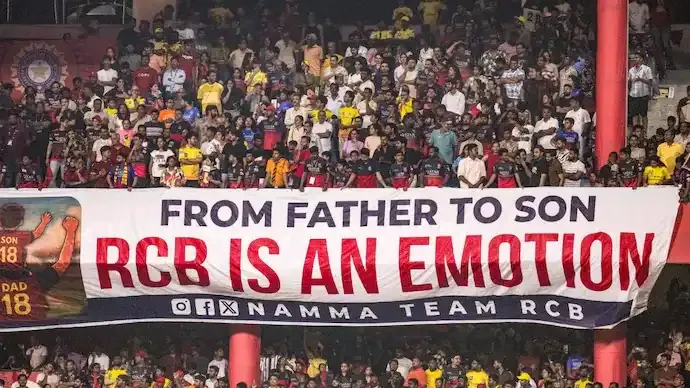
The consequences of this mindset have, at times, been catastrophic. During Virat Kohli’s Ranji Trophy appearance in Delhi, poor communication and crowd planning led to dangerous congestion outside the Arun Jaitley Stadium. Months later, inadequate preparation during Royal Challengers Bengaluru’s IPL victory celebrations resulted in a deadly stampede that claimed eleven lives — a tragedy rooted not in fan behaviour, but in systemic failure.
Time for accountability
Indian fans are not asking for luxury. They are asking for respect — open gates, clear communication, safe entry and exit, functional amenities and the basic dignity that should come with a paid ticket. The continued prioritisation of VIP access over crowd safety, and broadcasting over fan comfort, reflects a troubling hierarchy that undervalues the very people who sustain the sport.
Cricket in India has never been more powerful or profitable. But unless administrators recognise that the game ultimately belongs to its fans, this success risks becoming hollow. Treating spectators with care is not a concession; it is a responsibility. And for Indian cricket, it is long overdue.



Conversation
Be kind and stay on topic. Comments are moderated; abuse, spam and personal attacks are removed. Report a problem