

A growing number of immigrants in the United States, including thousands of Indian professionals, are avoiding both domestic and international travel as the US government tightens visa regulations and expands immigration scrutiny. The fear is no longer limited to undocumented migrants—lawfully present visa holders and even naturalised US citizens are increasingly choosing to stay put, worried that routine travel could trigger questioning or delays that may jeopardise their legal status.
According to the 2025 Survey of Immigrants conducted by the Kaiser Family Foundation in partnership with The New York Times, nearly 27 per cent of immigrants in the US reported deliberately avoiding travel to keep a low profile and avoid encounters with immigration authorities. The trend is particularly pronounced among undocumented immigrants, but the data shows it has spread well beyond that group.
The survey found that 32 per cent of immigrants on valid work visas, including H-1B holders, had curtailed travel plans. Even more striking, 15 per cent of naturalised US citizens said they avoided international travel due to concerns about additional scrutiny at airports or ports of entry.
Why Travel Feels Risky Even Within the US
One of the biggest drivers behind this behaviour is the expanding flow of data between US federal agencies. Reports indicate that the Transportation Security Administration (TSA) has begun sharing domestic travel data, including passenger manifests, with Immigration and Customs Enforcement (ICE). This marks a significant shift, as immigration enforcement agencies had traditionally stayed out of domestic travel oversight.
Experts say this development has heightened anxiety among immigrants who fear that even routine flights within the US could result in questioning, secondary screening, or unexpected detention. Survey analysts at KFF noted that immigrants are increasingly trying to “stay invisible” amid aggressive enforcement measures.
The effect has been especially noticeable during the year-end holiday season—a period that typically sees the highest volume of travel in the US. Instead of visiting family or taking vacations, many immigrants are choosing to remain at home.
International Travel Seen as Even Riskier
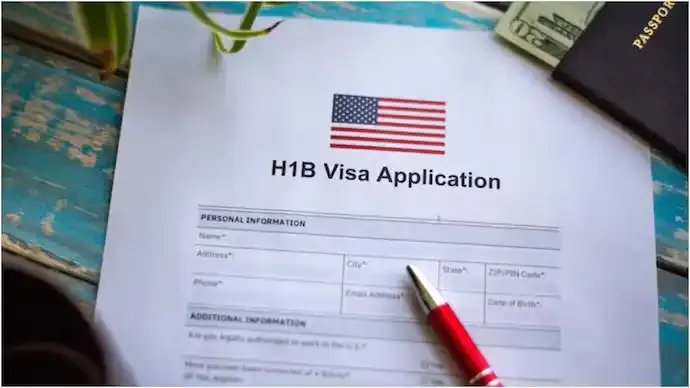
International travel, particularly to India, has become a major concern for Indian professionals working in the US. Many H-1B visa holders are postponing long-awaited trips home due to uncertainty around visa stamping, appointment delays, and enhanced background checks.
Since mid-2025, several policy changes have added to the confusion. Remote and third-country visa renewals have been discontinued, forcing applicants to return to their home countries. A steep $100,000 fee on new H-1B applications, expanded social media screening, and stricter vetting procedures have further unsettled the immigrant workforce.
As a result, embassies and consulates—especially in India—have struggled to keep up. Interview slots have been pushed back by months, and in some cases, years. Hundreds of professionals have found themselves stranded abroad after travelling for visa appointments, unable to return to their US-based jobs.
Advisories from Lawyers and Employers
Immigration attorneys and major technology companies have begun issuing formal advisories urging employees to avoid international travel unless absolutely unavoidable. Legal experts warn that even individuals with valid documents could face prolonged delays or unexpected denials, putting their employment and residency at risk.
This climate of uncertainty has reshaped daily decision-making for immigrants. What was once routine—flying home for a wedding, visiting parents, or taking a holiday—now feels like a calculated risk.
A Climate of Fear and Uncertainty
Under the administration of Donald Trump, immigration enforcement has become broader, faster, and more interconnected across agencies. For many immigrants, the safest option now appears to be staying where they are.
As policies continue to shift and enforcement tightens, Indian immigrants—like many others—are choosing caution over mobility, sacrificing personal connections and family time to protect their livelihoods and legal status in the US.



Conversation
Be kind and stay on topic. Comments are moderated; abuse, spam and personal attacks are removed. Report a problem