

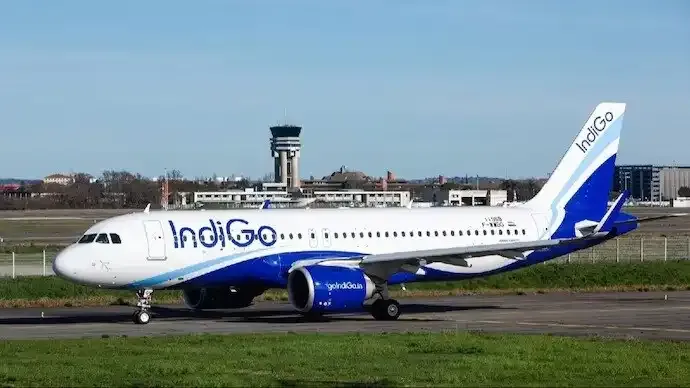

India’s largest airline IndiGo has announced a new fuel surcharge on domestic and international flights, making air travel more expensive for passengers.
The move comes after rising aviation fuel prices triggered by the ongoing geopolitical conflict in the Middle East.
The airline confirmed that the surcharge will range between ₹425 and ₹2,300 depending on the distance of the flight. The revised charges will come into effect from March 14, 2026.

Fuel Price Surge Behind the Decision
IndiGo said the decision was taken due to a sharp increase in aviation fuel costs.
According to industry data cited by the airline, jet fuel prices have surged significantly amid global tensions and disruptions in energy supply routes.
Reports from the International Air Transport Association indicate that aviation fuel prices in the region could rise by more than 85 percent because of the crisis.
Second Airline to Introduce Surcharge
IndiGo is not the first airline to implement such a measure.
Earlier, Air India also announced a fuel surcharge to cope with rising operational costs caused by the global energy crisis.
The move reflects the growing pressure airlines are facing due to volatile fuel prices.
Impact on Air Travel Costs
The new surcharge will affect both domestic and international flights operated by IndiGo.
Airlines typically introduce fuel surcharges when jet fuel prices rise sharply, as fuel costs account for a major portion of airline operating expenses.
For passengers, this means higher ticket prices in the coming weeks.
Middle East Conflict Driving Energy Costs
The aviation sector has been affected by the broader energy crisis linked to the conflict in the Middle East.
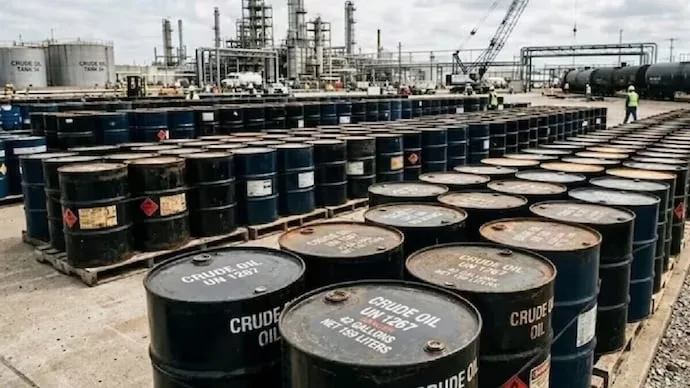
Disruptions in key oil shipping routes and rising crude prices have pushed up global fuel costs.
Because aviation turbine fuel is closely linked to crude oil prices, airlines worldwide are experiencing increased operating expenses.
Possible Ripple Effects on the Economy
Rising fuel costs can also influence inflation and travel demand.
Higher airfares may reduce discretionary travel while increasing the cost of logistics and tourism.
As the geopolitical situation continues to evolve, airlines and passengers alike will be closely watching fuel price trends and their impact on travel costs.







Conversation
Be kind and stay on topic. Comments are moderated; abuse, spam and personal attacks are removed. Report a problem