

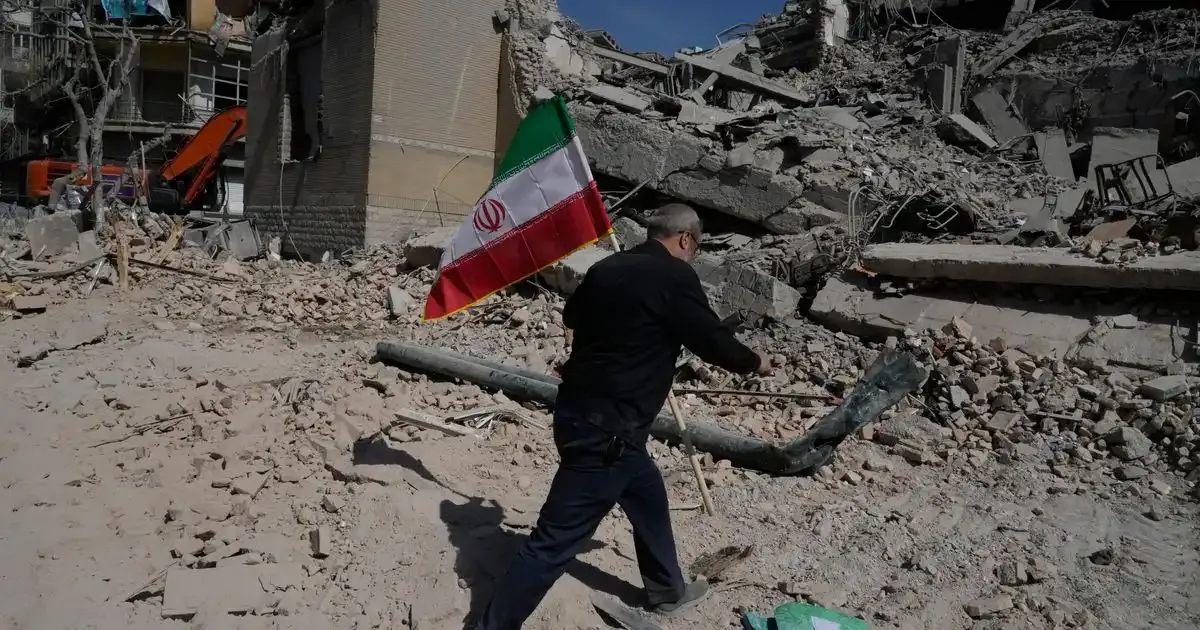

The conflict in West Asia has intensified further after Iran launched the 22nd wave of attacks against Israel, marking a significant escalation in the ongoing regional war.
Iran confirmed that the latest operation, named Operation True Promise 4, involved a coordinated barrage of missiles and drones targeting locations inside Israel.
The operation was carried out by the Islamic Revolutionary Guard Corps, which said the attacks were aimed at key strategic areas.

Missile and Drone Barrage Targets Israel
According to official statements, the 22nd wave of strikes involved a combined attack using both ballistic missiles and unmanned aerial vehicles.
Several missiles were reportedly directed toward Tel Aviv and other areas described by Iranian authorities as Israeli-controlled territories.
Air raid sirens were heard across Tel Aviv as Israel’s defence systems activated to intercept incoming projectiles.
Israeli Defence Systems Activated
Israel’s air defence network responded quickly after detecting the incoming missiles and drones.
The Iron Dome and other missile interception systems were deployed to neutralise the incoming threats.
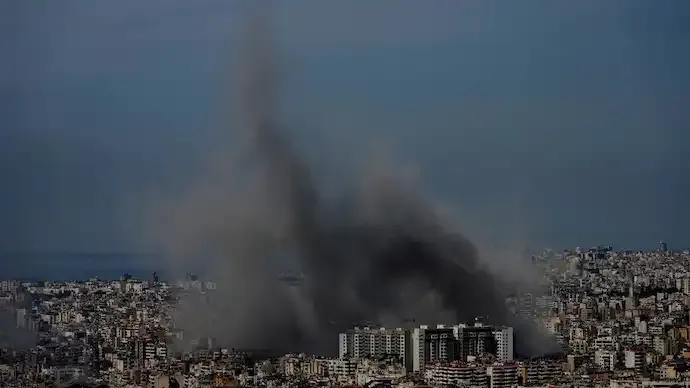
Explosions were reported in the sky above several areas as interception attempts were carried out.
Authorities in Israel urged residents to take shelter while emergency services remained on high alert.
Operation True Promise 4
Iran described the latest attacks as part of a continuing military campaign called Operation True Promise 4.
In its statement, the Islamic Revolutionary Guard Corps said the operation targeted what it described as the “heart of the Israeli-occupied territories” using a coordinated missile and drone assault.
Iran has claimed the attacks are a response to previous military actions carried out by Israel and its allies.
Rising Regional Tensions
The latest wave of attacks reflects the rapidly escalating confrontation in West Asia.
Military exchanges between Iran and Israel have intensified in recent weeks, raising concerns about a wider regional conflict involving multiple countries.
Security analysts warn that the continued exchange of missile strikes could increase instability across the Middle East and disrupt global markets, aviation routes and energy supplies.
Global Concern Over Escalation
Governments and international organisations have expressed concern over the growing conflict, urging restraint and diplomatic dialogue.
The conflict has already affected several sectors including global oil markets, aviation routes and regional security arrangements.
Experts say continued escalation between Iran and Israel could have far-reaching geopolitical consequences beyond the Middle East.
Situation Remains Highly Volatile
As military operations continue, authorities in both countries remain on high alert.
Observers note that each new wave of attacks increases the risk of a broader confrontation in the region.
Diplomatic efforts from international powers are ongoing, but so far the situation remains tense with no immediate signs of de-escalation.





Conversation
Be kind and stay on topic. Comments are moderated; abuse, spam and personal attacks are removed. Report a problem