

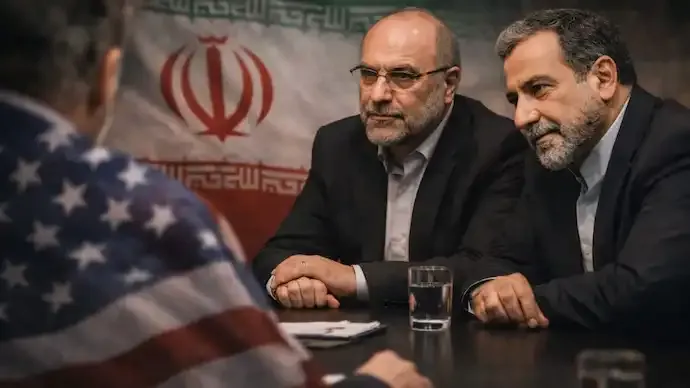

Iran’s diplomatic and strategic landscape is undergoing a major transformation following the loss of key leadership figures. As ceasefire discussions continue with the United States, questions have emerged about who is now representing Tehran at the negotiating table.
The evolving situation reflects a shift in Iran’s internal power structure, where decision-making is now influenced by a mix of military-backed leadership and experienced diplomats.
Key Figures Leading Iran’s Negotiations
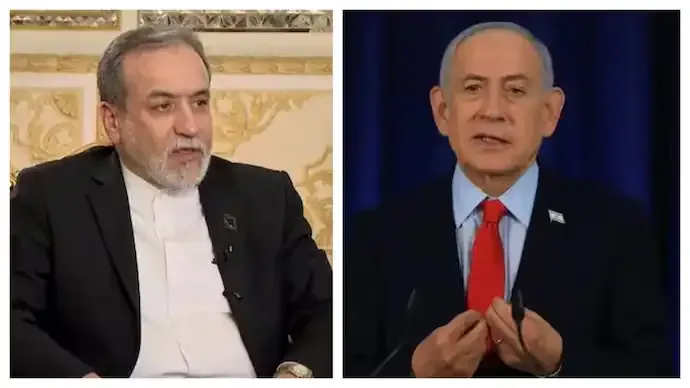
At the forefront of Iran’s negotiations is Abbas Araghchi, a seasoned diplomat known for his understanding of Western political systems and negotiation tactics.

Alongside him, individuals with strong links to the Islamic Revolutionary Guard Corps (IRGC) are playing a critical role. These figures bring a more hardline and strategic approach, shaped by years of involvement in Iran’s security and defence framework.
This combination of diplomatic expertise and military influence is shaping Iran’s current negotiation stance.
Ceasefire Tensions and Diverging Positions
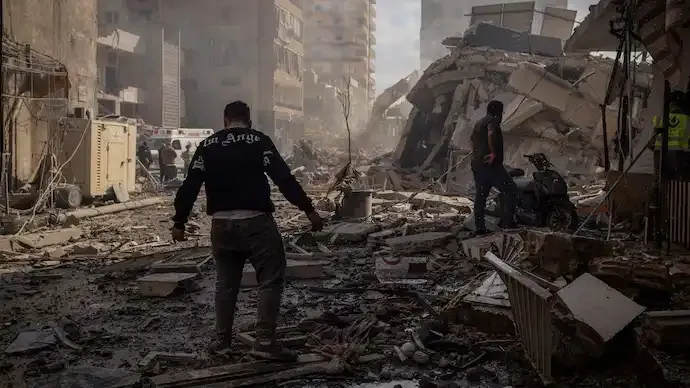
The fragile ceasefire between Iran and the United States is already showing signs of strain.
While US leadership has adopted a firm stance, warning of strong action if agreements are not honoured, Iran has responded by emphasizing that the terms of the ceasefire are clear and must be respected.
Iran has also indicated that any continuation of conflict could involve regional dynamics, including the role of Israel, adding complexity to the negotiations.
Hybrid Leadership Model Shapes Decisions
With traditional leadership structures disrupted, Iran appears to be relying on a hybrid model of governance. This includes both political leaders and military-linked decision-makers working together to shape foreign policy.
This model reflects a balance between ideological firmness and pragmatic diplomacy. While IRGC-linked figures bring strategic depth and security priorities, diplomats like Abbas Araghchi focus on maintaining international engagement.
Such a dual approach could influence how Iran negotiates critical agreements in the coming weeks.
Role of Regional Mediation Efforts
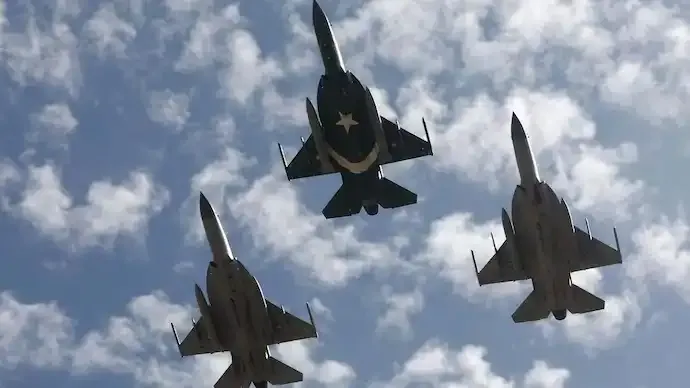
There are indications that diplomatic channels are being facilitated through regional players, including Pakistan, which is expected to host discussions between US and Iranian representatives.
This highlights the growing role of third-party mediation in managing complex international conflicts, especially when direct engagement becomes politically sensitive.
Challenges Ahead for Iran’s Negotiation Team
The new leadership faces multiple challenges, including maintaining internal cohesion, managing external pressure, and navigating a volatile geopolitical environment.
The absence of established leadership figures could impact decision-making speed and consistency. At the same time, it also opens the door for new strategies and approaches.
Global Implications of Iran’s Leadership Shift
The change in Iran’s negotiation leadership has broader implications for global diplomacy. As one of the key players in West Asia, Iran’s decisions directly impact regional stability and international relations.
The outcome of ongoing negotiations will not only shape the future of the ceasefire but also influence global energy markets, security frameworks, and geopolitical alliances.



Conversation
Be kind and stay on topic. Comments are moderated; abuse, spam and personal attacks are removed. Report a problem