



The ongoing conflict involving Iran has severely disrupted global aviation networks, with more than 27,000 flights cancelled across West Asia as airlines struggle to operate in a region affected by military activity and airspace closures.
The crisis has paralysed one of the world’s busiest aviation corridors, leaving hundreds of thousands of passengers stranded and forcing airlines to rethink flight routes across Asia, Europe and the Middle East.
Major Airports Shut or Restricted
One of the biggest disruptions has occurred at Dubai International Airport, the world’s second-busiest airport for international travel.

Operations at the airport have reportedly been suspended for six days following drone attacks linked to the conflict. The shutdown has significantly affected international travel because Dubai serves as a major transit hub connecting Europe, Asia and Africa.
Other major regional hubs have also been impacted, including:
-
Hamad International Airport
-
Abu Dhabi International Airport
Flights in and out of these airports have either been cancelled or heavily restricted due to security concerns.
Airspace Closures Across the Region
Airspace restrictions have been implemented across Iran, the Gulf region and nearby countries, making it extremely difficult for airlines to operate normal routes.
The closures have forced airlines to divert flights around conflict zones, dramatically increasing flight distances and travel times.
Flights operating between Europe and India are now flying thousands of extra kilometres, adding two to four hours to journey times in some cases.
Heavy Financial Losses for Airlines
The aviation disruption is also creating serious financial pressure for airlines.
Indian carriers are among those significantly affected.
-
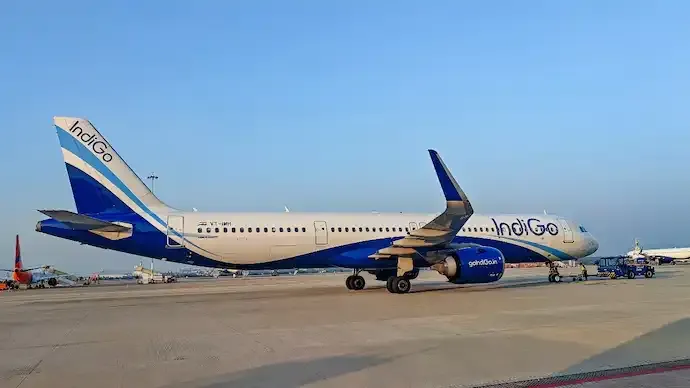
IndiGo is reportedly losing around ₹4–5 crore per day due to cancellations and route changes.
-
SpiceJet is estimated to be losing ₹25–35 lakh daily.
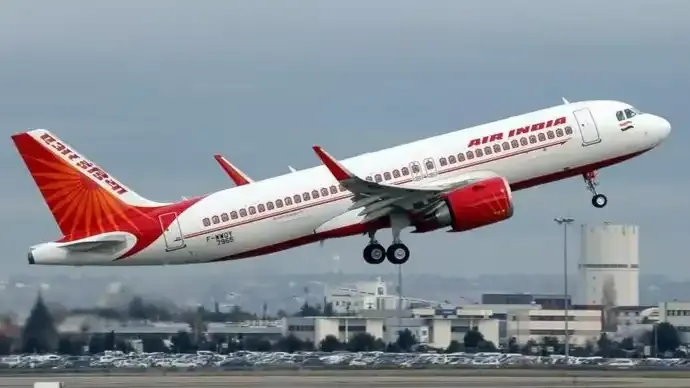
Meanwhile, Air India has experienced up to 40 percent operational disruption because of altered flight routes and cancellations.
Since the crisis began, the market capitalisation of listed Indian airlines has dropped by nearly 11 percent, reflecting investor concerns about the aviation sector.
Fuel Costs Also Rising
Airlines are facing an additional challenge as jet fuel prices have surged to their highest level since 2022.
Longer flight routes mean aircraft consume more fuel, increasing operating costs at a time when ticket demand is uncertain and schedules remain unpredictable.
Passengers Stranded Worldwide
The disruption has left hundreds of thousands of passengers stranded at airports across the Middle East and beyond.
Many travellers have experienced:
-
Flight cancellations
-
Long delays
-
Missed international connections
Airlines and airport authorities are working to rebook passengers and arrange alternative routes, but recovery may take time as the conflict continues.
Aviation Sector Watching the Situation
Airlines around the world are closely monitoring developments in the region.
West Asia remains a critical transit zone for global aviation, linking major travel routes between Europe, Asia and Africa.
Industry experts warn that if the conflict continues or expands further, global flight schedules, fuel prices and airline finances could face prolonged pressure.






Conversation
Be kind and stay on topic. Comments are moderated; abuse, spam and personal attacks are removed. Report a problem