Shopping cart
Your cart empty!


Your cart empty!
Terms of use dolor sit amet consectetur, adipisicing elit. Recusandae provident ullam aperiam quo ad non corrupti sit vel quam repellat ipsa quod sed, repellendus adipisci, ducimus ea modi odio assumenda.
Lorem ipsum dolor sit amet consectetur adipisicing elit. Sequi, cum esse possimus officiis amet ea voluptatibus libero! Dolorum assumenda esse, deserunt ipsum ad iusto! Praesentium error nobis tenetur at, quis nostrum facere excepturi architecto totam.
Lorem ipsum dolor sit amet consectetur adipisicing elit. Inventore, soluta alias eaque modi ipsum sint iusto fugiat vero velit rerum.
Sequi, cum esse possimus officiis amet ea voluptatibus libero! Dolorum assumenda esse, deserunt ipsum ad iusto! Praesentium error nobis tenetur at, quis nostrum facere excepturi architecto totam.
Lorem ipsum dolor sit amet consectetur adipisicing elit. Inventore, soluta alias eaque modi ipsum sint iusto fugiat vero velit rerum.
Dolor sit amet consectetur adipisicing elit. Sequi, cum esse possimus officiis amet ea voluptatibus libero! Dolorum assumenda esse, deserunt ipsum ad iusto! Praesentium error nobis tenetur at, quis nostrum facere excepturi architecto totam.
Lorem ipsum dolor sit amet consectetur adipisicing elit. Inventore, soluta alias eaque modi ipsum sint iusto fugiat vero velit rerum.
Sit amet consectetur adipisicing elit. Sequi, cum esse possimus officiis amet ea voluptatibus libero! Dolorum assumenda esse, deserunt ipsum ad iusto! Praesentium error nobis tenetur at, quis nostrum facere excepturi architecto totam.
Lorem ipsum dolor sit amet consectetur adipisicing elit. Inventore, soluta alias eaque modi ipsum sint iusto fugiat vero velit rerum.
Do you agree to our terms? Sign up
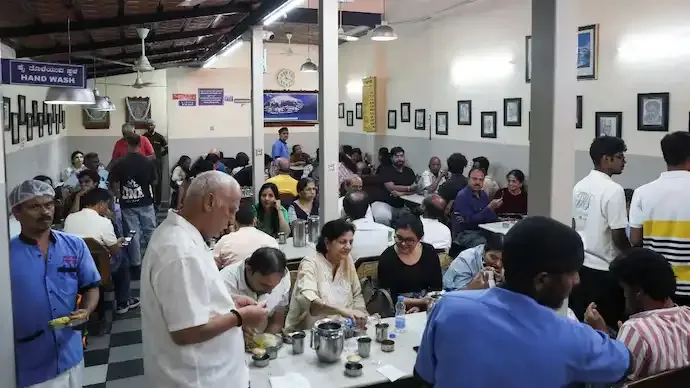
The ongoing conflict involving Iran in the Middle East is beginning to affect daily life in India, particularly the country’s hospitality sector. Restaurants, hotels, and food businesses across cities such as Mumbai, Bengaluru, Chennai, Kolkata and Lucknow are facing serious challenges due to a growing shortage of commercial LPG cylinders.
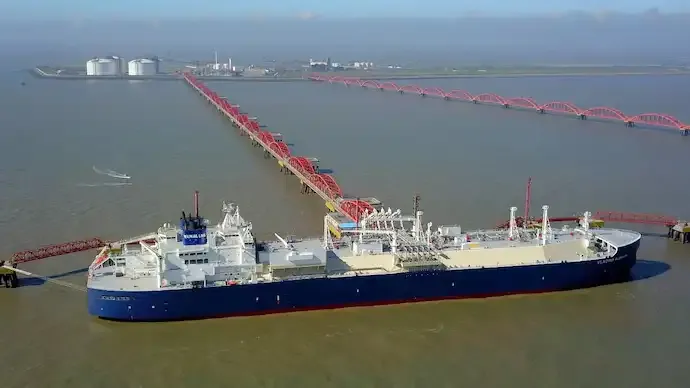
Industry representatives say the disruption is linked to global energy supply issues caused by tensions in the Middle East and the effective closure of the Strait of Hormuz, one of the world’s most important oil and gas transit routes.
The Strait of Hormuz is a critical shipping route through which a significant portion of the world’s oil and gas supplies pass.
Due to the ongoing conflict in the region, shipping movements and supply chains have been affected, causing delays and shortages in the distribution of LPG and other energy resources.
This disruption has now begun to affect commercial gas supplies used by the hospitality industry in India.
Restaurants and hotels rely heavily on commercial LPG cylinders for cooking operations. With supplies becoming irregular, many establishments are struggling to maintain daily operations.
Reports from several cities indicate that restaurants are finding it difficult to secure enough cylinders to run their kitchens.
In some areas, businesses have warned that they may have to temporarily shut down operations if the supply situation does not improve soon.
The shortage has also led to long queues outside LPG distribution agencies, as both businesses and consumers attempt to secure cooking gas supplies.
Videos circulating on social media show restaurant owners and workers waiting for hours to receive cylinders.
Industry bodies have expressed concern that the crisis could severely impact small and medium-sized restaurants that depend entirely on LPG for cooking.
Restaurant associations across several states have raised the issue with authorities, urging the government and energy suppliers to ensure uninterrupted commercial LPG supply.
Many restaurant owners say even a short-term disruption can lead to major financial losses, as food businesses operate on tight daily margins.
Hotels and large dining establishments are also monitoring the situation closely to avoid disruptions to their services.
Experts say the situation highlights how global geopolitical events can quickly influence local economies.
Conflicts that disrupt energy routes often affect fuel prices and supply chains, which in turn impact industries that depend heavily on energy resources.
The hospitality sector, which uses large quantities of cooking gas, is among the most vulnerable to such disruptions.
Restaurant owners and hospitality businesses are hoping that global tensions ease soon so that supply chains can return to normal.
Until then, many establishments remain concerned about their ability to operate smoothly if LPG shortages continue.
The situation has once again demonstrated how developments in international geopolitics can have immediate consequences for businesses and consumers far beyond the conflict zone.
39
Published: Mar 11, 2026
All India Story is your trusted source for comprehensive and up-to-the-minute news coverage across India. Bringing you the latest on politics, business, technology, entertainment, sports, and more, we are dedicated to keeping you informed with accurate, engaging, and insightful stories from every corner of the nation.