

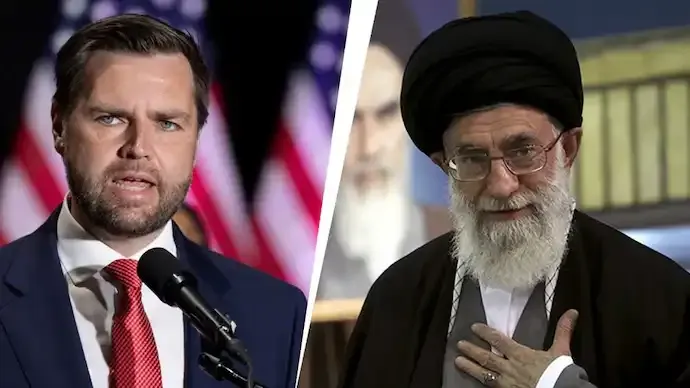

US Vice President JD Vance has issued a strong warning to Iran, saying the United States will not allow Tehran to obtain nuclear weapons. His remarks come as Washington increases diplomatic and military pressure ahead of crucial nuclear talks scheduled in Geneva.
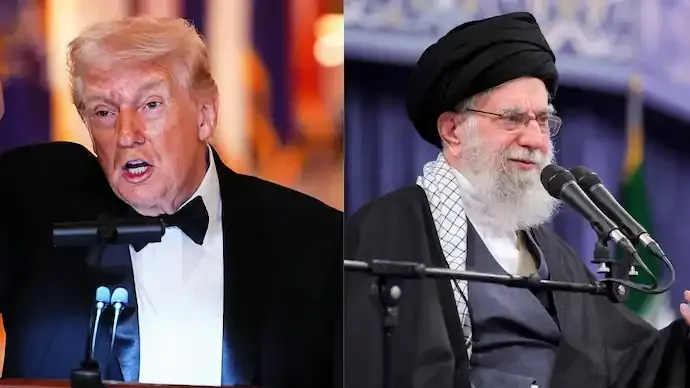
Speaking in a televised interview, Vance emphasised that Iran must take US military warnings seriously. He stated that while diplomacy remains the preferred path, military options are still available if negotiations fail. The warning follows recent comments by President Donald Trump, who accused Iran of pursuing missile capabilities that could threaten the United States and attempting to revive its nuclear programme.
Negotiators from Iran arrived in Geneva for high-level discussions with American officials led by US Middle East envoy Steve Witkoff. The talks are seen as a critical moment in efforts to prevent further escalation between the two countries.

Vance stressed that the US administration is committed to ensuring Iran does not acquire nuclear weapons. He reiterated that President Trump prefers a diplomatic solution but retains the authority to use military force if necessary. The US has also intensified sanctions under what it describes as a “maximum pressure” strategy aimed at curbing Iran’s nuclear ambitions.
Meanwhile, Iranian officials have rejected US allegations, calling them exaggerated and politically motivated. Tehran has described Washington’s statements as misinformation while signalling that negotiations could still lead to an agreement through diplomatic engagement.
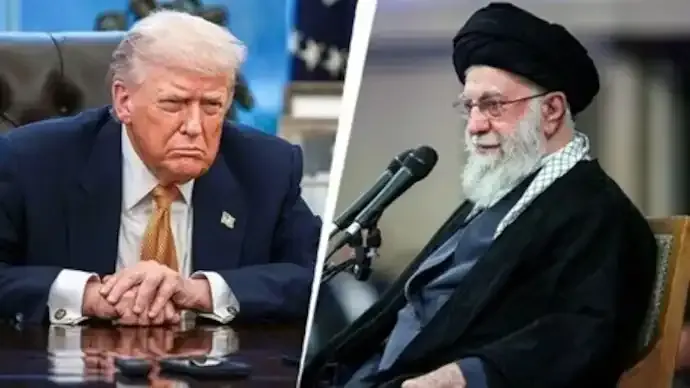
Iran’s Supreme Leader Ali Khamenei has not directly commented on the latest US statements, but Iranian authorities have warned that any military strike would trigger a strong response. Tehran has previously stated that US military bases in the Middle East would be considered potential targets if hostilities erupt.
Satellite imagery has reportedly shown US naval movements near Bahrain, home to the US Navy’s Fifth Fleet, further fuelling speculation about heightened military preparedness. However, US Central Command has not publicly confirmed operational details.
According to international observers, including the International Atomic Energy Agency (IAEA), Iran previously maintained a nuclear weapons programme until 2003. In recent years, Tehran has enriched uranium to levels nearing weapons-grade purity, raising concerns among Western governments.
The Geneva talks come at a sensitive time, with regional tensions already high due to ongoing conflicts in the Middle East. Diplomatic analysts believe that a breakdown in negotiations could significantly increase the risk of confrontation.
As both sides prepare for discussions, global attention remains focused on whether diplomacy can prevent another major escalation in the region or whether military options may eventually come into play.





Conversation
Be kind and stay on topic. Comments are moderated; abuse, spam and personal attacks are removed. Report a problem