


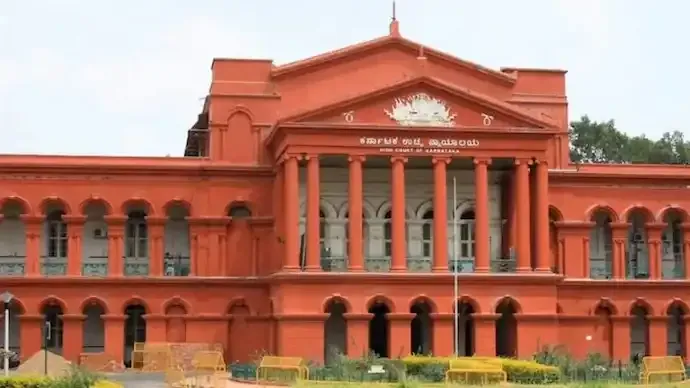
The Karnataka High Court has declined to revive a state government order that mandated advance permission for private organisations to use public property for events, processions, or gatherings. The decision marks a significant setback for the state administration, which sought to reinstate the order after a single judge had stayed it on October 28.
A division bench comprising Justices SG Pandit and Geetha KB dismissed the government’s appeal, observing that the proper course for the State was to request modification or vacation of the stay before the single judge. The bench questioned the intent and scope of the order, remarking that it could not be assumed that groups of ten or more people constituted an unlawful assembly by default. “If people wish to walk together, can that be stopped?” the judges asked, signalling concern over the breadth of the order.
The government order (GO) dated October 18 required any private organisation—whether registered or informal—to seek permission at least three days before using government-owned spaces such as roads, parks, playgrounds or buildings. It also mandated approval for any procession involving more than ten people accompanied by music, with exceptions only for funerals and weddings. Violations were to be treated as unlawful assembly under the Bharatiya Nyaya Samhita, with district police and administrative heads empowered to issue permits.

The Advocate-General argued before the bench that the GO was designed to regulate organised events such as rallies or processions, not casual public activity. He pointed out that regulated zones already exist in Bengaluru—for instance, designated protest spaces at Freedom Park and controlled entry at Kanteerava Stadium. According to the State, the order functioned as an enabling tool to protect public infrastructure and maintain order.
However, counsel for the petitioners, representing NGOs Punashchetana Seva Samsthe and We Care Foundation, contended that the GO placed excessive and unconstitutional restrictions on citizens' right to peaceful assembly under Article 19(1)(b). The petitioners argued that even informal activities, such as a group of youngsters playing cricket in a park, could technically require daily permission, illustrating the impracticality and overreach of the rule.
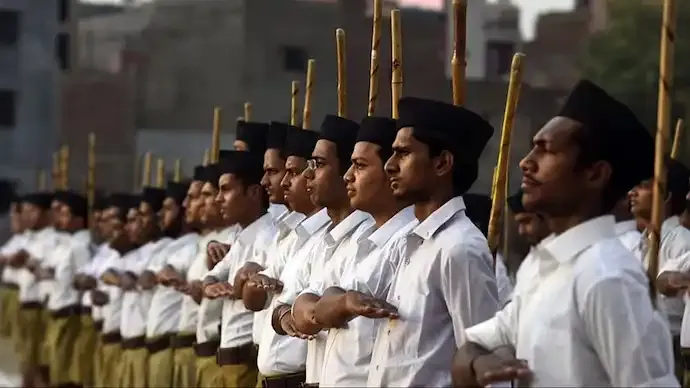
Although the GO did not name any organisation, it was widely viewed as a response to concerns about frequent route marches by the Rashtriya Swayamsevak Sangh (RSS). This perception intensified political tensions after it emerged that a ministerial communication had urged restrictions on RSS activities in public places. Opposition leaders accused the government of selectively targeting one organisation under the guise of regulating public order.
The division bench upheld the single judge’s earlier observation that executive orders cannot override fundamental freedoms guaranteed by the Constitution. With the stay remaining in effect, the legality of the government’s directive will now be scrutinised further when the main petition is heard on November 17.
The ruling underscores the continuing debate in Karnataka over the balance between maintaining public order and protecting civil liberties in shared spaces.







Conversation
Be kind and stay on topic. Comments are moderated; abuse, spam and personal attacks are removed. Report a problem