

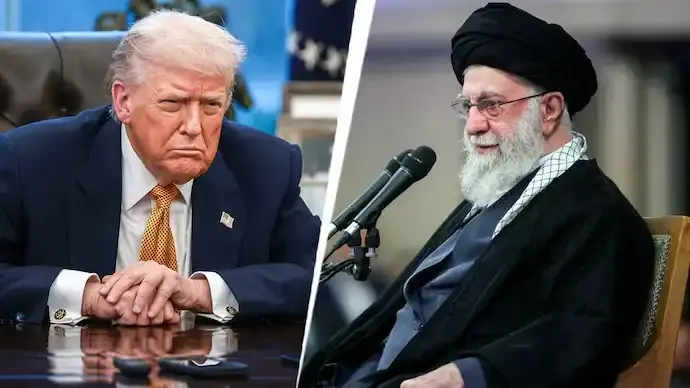
Iran’s Supreme Leader Ayatollah Ali Khamenei on Saturday launched a blistering attack on the United States and former US President Donald Trump, accusing Washington of orchestrating recent unrest in Iran and branding Trump a “criminal” responsible for casualties, damage, and what he described as slander against the Iranian nation.
In remarks carried by Iranian media, Khamenei alleged that the US had played a direct role in fuelling protests that have rocked multiple Iranian cities since late December. He asserted that while Iran would exercise restraint to avoid a wider conflict, it would not allow those it considers responsible—whether domestic or international—to escape accountability.
“We will not drag the country into war, but we will not let domestic or international criminals go unpunished,” Khamenei said, signalling a hard line against both internal dissent and foreign pressure.
US Accused of Plotting Unrest
Khamenei described the recent wave of protests as foreign-backed, claiming they were part of an American strategy aimed at weakening and dominating Iran. He accused Trump of personally intervening through public statements that, according to him, encouraged unrest and promised support to protesters.
The Supreme Leader further alleged that US officials misrepresented the protests by portraying violent elements as the voice of the Iranian people. He said such narratives were designed to legitimise chaos and undermine Iran’s sovereignty.
Calling on the nation to remain resolute, Khamenei urged Iranians to confront those he said instigated the violence, vowing that the state would pursue them relentlessly.
Conflicting Claims on Casualties
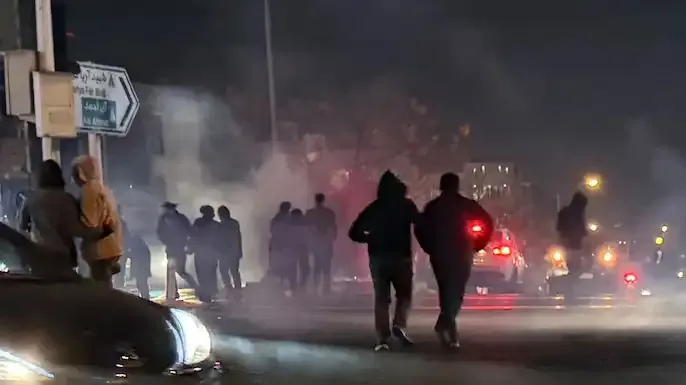
The unrest, which began on December 28 over economic grievances, has escalated into nationwide demonstrations demanding an end to clerical rule. Casualty figures remain highly disputed.
The Human Rights Activists News Agency has claimed that more than 3,000 people have died in the protests, including a large number of demonstrators. Other opposition groups and independent estimates have placed the death toll at over 2,000.
Meanwhile, Iran International, a media outlet critical of the government, reported unverified claims suggesting that Iran’s Islamic Revolutionary Guard Corps Quds Force and allied groups played a central role in the killing of protesters. Iranian authorities have not publicly responded to or confirmed these allegations.
Heavy Security Deployment Across Cities
Eyewitness accounts indicate that Iranian authorities have significantly expanded security deployments across major cities, including Tehran. Residents reported increased patrols, surveillance drones, and tighter controls aimed at preventing renewed demonstrations.
State media has said the situation in the capital has remained relatively calm in recent days, with authorities claiming they have largely suppressed protests and restored partial internet access after an extended blackout.
Opposition Calls for Continued Protest
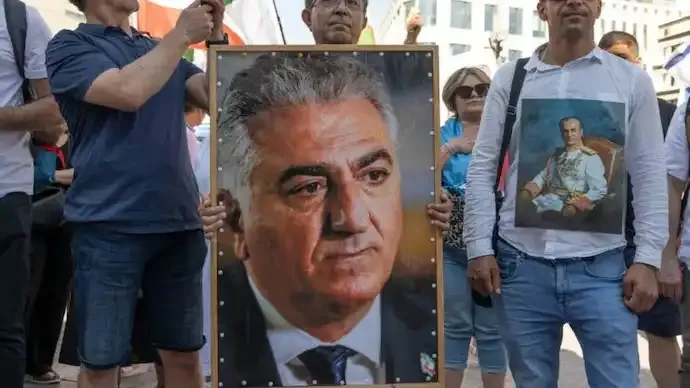
Amid the crackdown, exiled Iranian opposition figure Reza Pahlavi urged people inside Iran to continue raising their voices. He called for coordinated nightly chants as a symbol of resistance, appealing to citizens to sustain pressure despite heightened security measures.
Iranian authorities, however, have blamed the violence on what they describe as armed rioters posing as protesters, accusing both the US and Israel of backing destabilisation efforts. Several alleged protest organisers have reportedly been arrested following intelligence operations.
Tensions With US Remain High
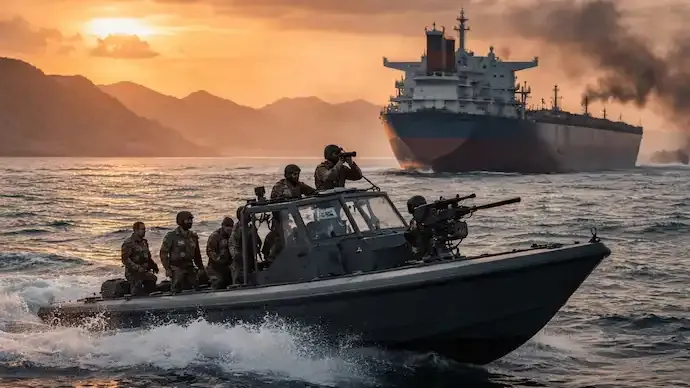
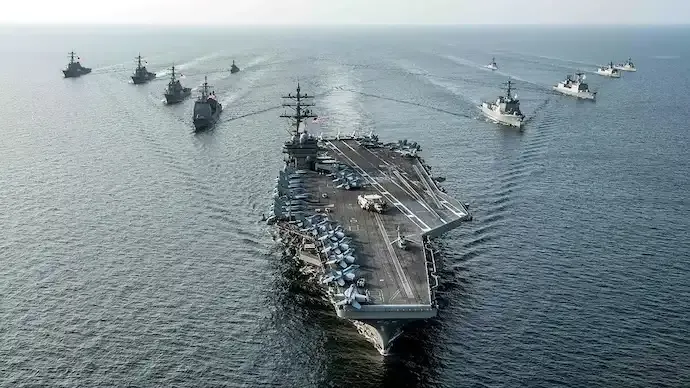
Khamenei’s remarks underscore the deepening hostility between Tehran and Washington at a time of heightened regional and domestic tension. While the Iranian leadership insists it will avoid a full-scale war, the rhetoric signals continued confrontation and a refusal to compromise on what it views as foreign interference.
As Iran navigates one of the deadliest episodes of unrest since the 1979 Islamic Revolution, the situation remains volatile, with international scrutiny intensifying and calls growing for independent verification of casualty figures and accountability for alleged abuses.

Conversation
Be kind and stay on topic. Comments are moderated; abuse, spam and personal attacks are removed. Report a problem