


Global Conflict Reaches India’s Healthcare Sector
The ongoing conflict in West Asia is now creating ripple effects far beyond the region, significantly impacting India’s healthcare industry. What began as disruptions in energy supply and global trade has now extended to medical tourism, a key contributor to India’s healthcare economy.
Hospitals across India are witnessing a sharp decline in international patients, particularly from Middle Eastern countries, highlighting how geopolitical tensions can influence even the healthcare sector.
Sharp Decline in International Patients
India has long been a preferred destination for medical tourism, attracting patients from countries such as Oman, Saudi Arabia, Iran, Iraq, and Yemen. However, recent reports suggest a dramatic drop of nearly 50 to 75 percent in patients arriving from these regions.

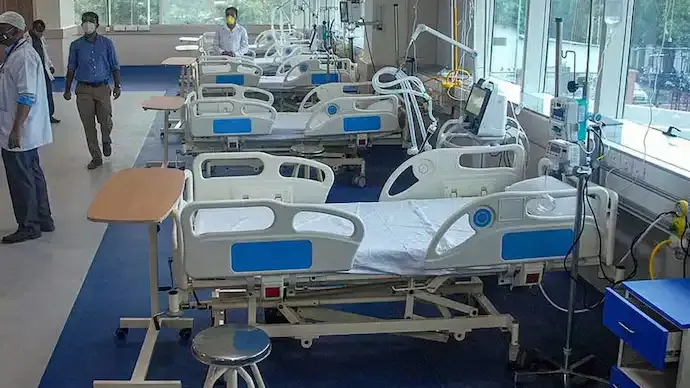
This sudden decline has led to empty hospital beds in several leading healthcare facilities, especially those that heavily rely on international patients for revenue.
India’s Growing Medical Tourism Industry
India’s medical tourism sector has been on a strong growth trajectory over the past decade. Valued at approximately $6.5 billion in 2022, the industry was projected to cross $13 billion by 2026.
The country’s advanced medical infrastructure, skilled professionals, and cost-effective treatments have made it a global hub for healthcare services. Patients from West Asia have traditionally formed a significant portion of this market.
Impact on Hospital Revenues
The drop in foreign patients is now affecting hospital revenues and operational efficiency. Many hospitals that had dedicated international wings are experiencing reduced occupancy rates, leading to financial strain.
Healthcare providers that invested heavily in catering to global patients are now facing challenges in maintaining consistent inflow, forcing them to reconsider their business strategies.
Reasons Behind the Decline
Several factors linked to the conflict are contributing to the reduction in medical travel. Travel restrictions, economic instability, and safety concerns in the affected regions have made it difficult for patients to seek treatment abroad.
Additionally, disruptions in flight operations and visa processes have further limited the movement of patients from West Asia to India.
Wider Economic Implications
The slowdown in medical tourism is not just affecting hospitals but also allied sectors such as hospitality, travel, and local services. Hotels, medical facilitators, and transport providers that depend on international patients are also experiencing reduced demand.
This interconnected impact highlights the broader economic importance of medical tourism in India.
Industry Adapting to Changing Conditions
In response to the current situation, healthcare providers are exploring alternative markets and strengthening domestic patient services. Some hospitals are also focusing on digital consultations and telemedicine to stay connected with international patients.
Diversification is now becoming a key strategy to reduce dependency on specific regions and ensure long-term stability.
Uncertain Road Ahead
While the situation remains uncertain, the future of medical tourism in India will largely depend on how geopolitical tensions evolve. A resolution of the conflict could gradually restore patient inflow, but recovery may take time.
The current scenario serves as a reminder of how global events can directly influence national industries, even those focused on healthcare and well-being.





Conversation
Be kind and stay on topic. Comments are moderated; abuse, spam and personal attacks are removed. Report a problem