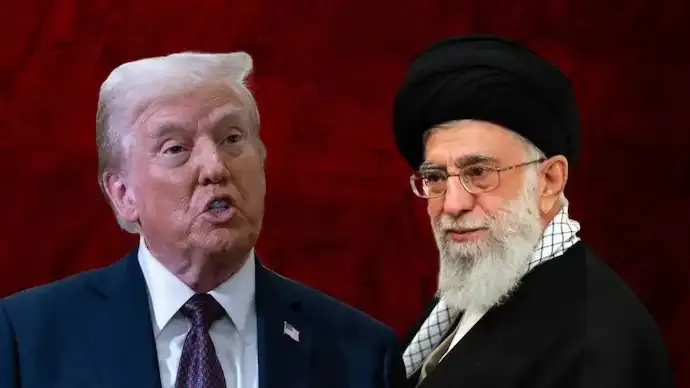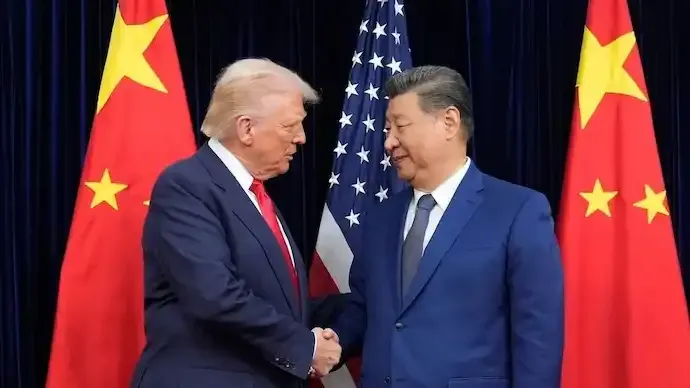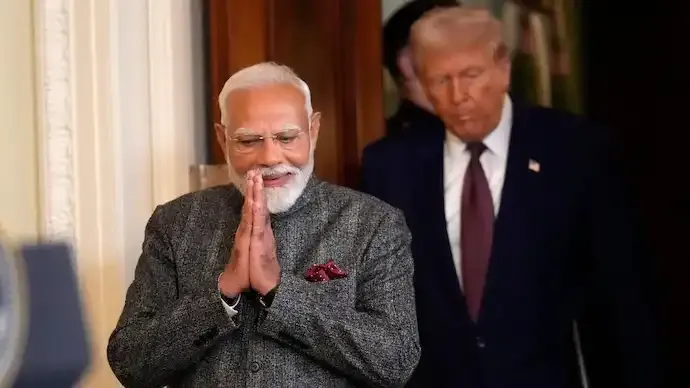
The Indian government has sought to calm concerns among exporters after Donald Trump announced an additional 25 per cent tariff on countries trading with Iran, stating that the overall impact on India is expected to remain minimal due to limited trade exposure and diversified commercial linkages.
Officials highlighted that India’s total trade with Iran stood at approximately $1.6 billion last year, a relatively small figure when compared to Iran’s overall import volume of nearly $68 billion in 2024. This limited exposure, the Centre said, significantly cushions India from the broader fallout of the US tariff move.
Data shows that Iran’s trade dependence is far more concentrated among a handful of partners. The United Arab Emirates remains Iran’s largest import partner with trade worth $21 billion, accounting for nearly 30 per cent of total imports. China follows closely with $17 billion, or 26 per cent, while Turkiye accounts for $11 billion, representing 16 per cent. The European Union contributes another $6 billion, or 9 per cent. In comparison, India’s share remains marginal.
Despite the government’s reassurance, the announcement has triggered unease in specific export segments, particularly the basmati rice industry. India is Iran’s largest supplier of rice, with Tehran importing nearly two-thirds of its rice requirements from Indian exporters. Following Trump’s declaration, exporters have expressed concern about payment risks and contract uncertainties, especially amid ongoing unrest within Iran.
Several Indian exporters have reportedly turned cautious about entering into new agreements with Iranian buyers. Industry sources indicated that shipments dispatched in recent months are now facing payment delays and logistical complications. Exporters have also flagged cases where buyers have either failed to receive full consignments or exited the market altogether due to domestic instability in Iran.
Government officials, however, reiterated that these concerns are sector-specific and do not reflect the broader trade picture. They noted that India’s overall export portfolio is well-diversified across regions, reducing dependence on any single market. The Centre is also monitoring developments closely and is in touch with stakeholders to address payment-related and logistical challenges as they arise.
The tariff decision is expected to place greater pressure on China, which remains Iran’s most critical economic partner. Iranian exports to China were valued at around $22 billion in 2022, with fuel shipments accounting for more than half of the total. Imports from China stood at roughly $15 billion during the same period. In 2025 alone, China is estimated to have purchased over 80 per cent of Iran’s shipped oil, according to energy analytics data.
Iran’s oil exports face a limited buyer base due to long-standing US sanctions aimed at curbing funding for Tehran’s nuclear programme. As a result, any additional trade restrictions are likely to have a disproportionate impact on countries with deeper economic exposure to Iran.
Indian officials underlined that New Delhi continues to follow a cautious and pragmatic trade approach, balancing strategic interests with global compliance requirements. While short-term disruptions may affect select exporters, the Centre maintained that the US tariff move does not pose a systemic risk to India’s trade outlook.